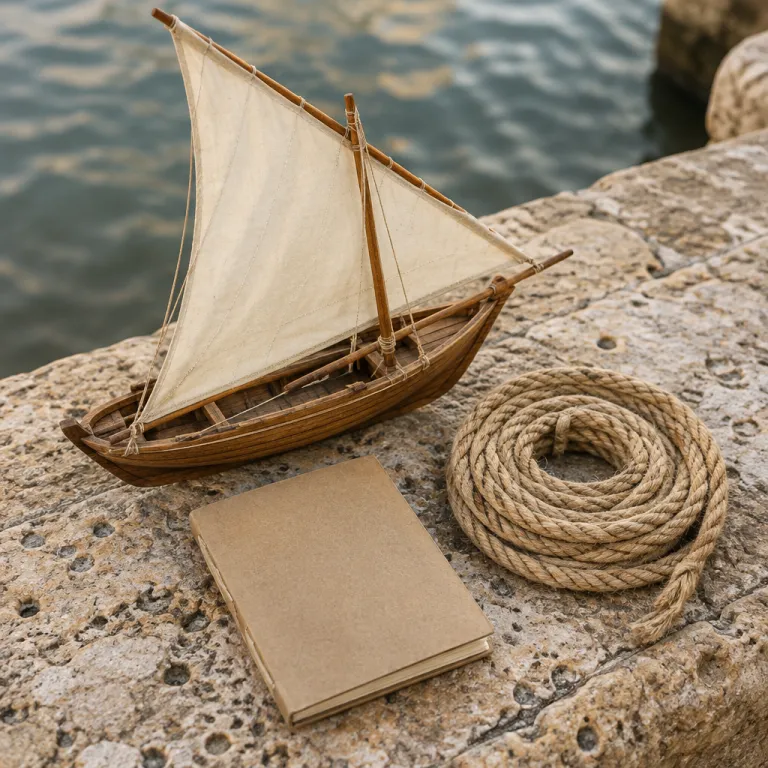
Why luxury travellers should time their trip around the Lamu Cultural Festival
Lamu island feels unhurried on most days, but during the Lamu Cultural Festival the car free lanes of Lamu town hum with a different kind of energy. Over three days and nights the cultural festival turns this UNESCO heritage Swahili coast settlement into a living stage, with dhow races, donkey races and swahili poetry recitals unfolding between sea and stone. For premium families planning kenya travel, this is the moment when a carefully chosen hotel package becomes the key to experiencing both comfort and cultural depth.
The event is organised by the Lamu County Government with the National Museums of Kenya as cultural partner, which anchors the festival firmly in local hands rather than in short term tourism trends. That matters for discerning guests who want a lamu cultural experience that feels authentic, where swahili music, food and races donkey traditions are being preserved for the next generation of sailors and poets. The official summary is clear about intent : "Swahili heritage celebration with dhow & donkey races, poetry, dances, crafts in car-free Lamu Island" and that is exactly what you feel as you walk from your hotel through the town at dawn.
For families using a luxury kenya travel guide or a curated booking platform such as mykenyastay.com, the festival dates shape the entire trip. Many travellers pair three days in Lamu town with a safari package in the Mara or Laikipia, using smart tour packages to balance beach and bush. Think of it as days lamu and nights kenya split between the island and a conservancy, rather than a single stop trip that misses the wider cultural story of the country.
The main SEO phrase lamu cultural festival 2026 often appears in searches, yet what matters more is how you weave those days kenya into a broader itinerary. A well designed package can start with quiet days and nights kenya on the coast, then flow into the cultural festival before you fly inland for a safari with strong guiding. For premium family travellers, the right hotel packages mean children can enjoy the spectacle of dhow races and donkey races by day, then retreat to calm suites and pools once the town’s events wind down.
What the festival feels like on the ground in Lamu town
Arriving by boat from Manda Airport, your first view of Lamu island during the cultural festival is a forest of masts and lateen sails crowding the harbour. Traditional wooden dhow boats line up for the dhow races between Lamu and Shela, while crews of youth and elders adjust rigging and trade jokes in swahili. On shore, the town’s coral rag houses and carved doors glow in the afternoon light, and you immediately sense why this is a UNESCO heritage town rather than just another coastal stop.
During the main dhow races the harbour becomes a grandstand, with families, elders and visitors pressed along the seafront to watch the boats tack and jostle for position. The races are not staged purely as tourist events ; they are a test of real seamanship, part of a wider revival of dhow craftsmanship among youth that the festival has helped to encourage. When you book a premium stay through a specialist kenya travel guide, ask for a room or rooftop terrace that faces the water so your family can watch the dhow races in comfort during the hottest hours of the days.
On land, the donkey races are pure Lamu town theatre, with jockeys urging their mounts through the narrow lanes while spectators cheer from balconies and doorways. Because there are no cars, the relationship between people, donkey and boat is still central to daily life, and the festival’s races donkey events underline that reality rather than parody it. A good local guide arranged through your hotel can help you find respectful vantage points, keep children safe in the crowds and explain why "Why no cars in Lamu?" is answered simply : "The town retains traditional transport: donkeys and boats only".
As evening falls, swahili poetry recitals and music performances take over courtyards and public squares, often introduced by National Museums of Kenya staff or local elders. Here the lamu cultural heartbeat is quieter but deeper, with utenzi verses and oral poems carrying stories of the sea, faith and family that long predate any maulidi festival or modern tourism campaign. For travellers who have already explored highland cultures through experiences such as the Kikuyu and Kalenjin highlands cultural encounters, this layering of coastal and upcountry narratives turns a simple trip into a more complete kenya travel journey.
Choosing the right luxury stay and cultural immersion for your family
Where you sleep during the Lamu Cultural Festival shapes how you experience both the noise and the nuance of the events. Properties in the heart of Lamu town place you steps from the dhow races, donkey races and food stalls, ideal for families with older children who can handle late nights and busy alleys. More secluded hotels near Shela on Lamu island offer quieter nights kenya, with boat transfers into town for key festival moments and a stronger focus on pools, gardens and curated cultural activities.
Premium booking platforms such as mykenyastay.com specialise in matching travellers to stays that balance comfort with access to culture, rather than simply listing rooms and rates. For the period of the lamu cultural festival 2026, look for tour packages that include a private guide, reserved dhow viewing spots and flexible meal times so you are not rushing back from events. Some high end properties also arrange short boat excursions at dawn or sunset, letting you watch the harbour wake up or wind down while your children learn how sails, currents and tides shape daily life on the swahili coast.
Thoughtful hotels treat the cultural festival as a community event first and a tourism draw second, which is where E E A T principles align with on the ground ethics. Staff will brief guests on modest dress in the town, appropriate behaviour during swahili poetry recitals and how to photograph races donkey scenes without intruding on residents. When you evaluate a package, ask how the property supports local artisans, dhow crews and poets, and whether your stay contributes to the festival’s goals of cultural preservation, economic benefit and identity building.
Families often combine three days of festival immersion with a safari package before or after, using Lamu as either a gentle landing or a coastal finale. An insider level kenya travel guide might suggest starting with a conservancy stay, then flying to the island for days lamu of sea air, swahili food and late night music. To deepen the culinary thread of your trip, consider pairing the festival’s street snacks and home style dishes with a highland dining experience such as the Kenya culinary trail from Mombasa to the Mara, which shows how coastal flavours travel inland.
Building Lamu into a wider Kenya itinerary: logistics, pacing and seasonal strategy
Reaching Lamu island for the cultural festival is straightforward but requires advance planning, especially for premium family travellers who value seamless transfers. Most guests fly from Nairobi or the coast to Manda Airport, then take a short boat ride across the channel to Lamu town or Shela, where hotel teams usually meet you at the jetty. Because accommodation for the lamu cultural festival 2026 period books out months ahead, serious kenya travel planners should secure rooms and packages as soon as international flights are confirmed.
Once on the island, movement is by foot, donkey or boat, which is part of the charm but also a practical consideration for families with young children. Choose a property that minimises walking distances to key events if you want to attend late night swahili poetry sessions or early morning dhow races without long transfers. For some travellers, splitting the stay between a town hotel for the three days of peak festival activity and a quieter island retreat for recovery days and nights kenya offers the best of both worlds.
Many guests pair Lamu with other swahili coast destinations or with inland safari legs, turning a single cultural festival into the anchor of a longer kenya travel story. You might spend days lamu at the festival, then head south towards Kilifi later in the year, or fly inland for a conservancy that focuses on walking safaris and farm to table cuisine such as those profiled in the farm to table at altitude feature. The key is to avoid overpacking the itinerary ; allow breathing space between intense events so children and adults can process what they have seen and heard.
Finally, remember that the Lamu Cultural Festival is distinct from the religious maulidi festival, even though both take place in the same town and share elements of swahili performance. Official guidance is clear on this point : "Is Lamu Cultural Festival religious?" is answered with "No; it is cultural, distinct from the Maulidi religious festival" which helps set expectations for behaviour and dress. Respecting that distinction, and listening carefully during swahili poetry recitals and dhow races commentary, turns a simple trip into a more thoughtful engagement with one of Kenya’s most layered cultural landscapes.
FAQ
How many days should a family spend at the Lamu Cultural Festival ?
Most travellers find that three days at the cultural festival provide enough time to watch the main dhow races, donkey races and evening swahili poetry performances without feeling rushed. Families often add one or two extra days lamu before or after the events to enjoy quieter walks, boat trips and pool time. If you are pairing Lamu with a safari package, aim for at least a week in kenya to keep the overall pace comfortable.
Is the Lamu Cultural Festival suitable for young children ?
The festival is family friendly, but the narrow lanes of Lamu town and the crowds during major events can be intense for very young children. Choosing a hotel with easy boat access and shaded terraces allows families to dip in and out of the action, watching dhow races from a distance when needed. Many premium properties can arrange a private guide to help manage logistics, find quieter viewing spots and keep the trip enjoyable for all ages.
How far in advance should I book accommodation for the festival dates ?
Because Lamu island has a limited number of high end rooms, luxury travellers should book accommodation and tour packages several months before the cultural festival. This is especially important if you want interconnecting rooms, family suites or specific views of the harbour for the dhow races. Once your kenya travel flights are confirmed, secure your Lamu stay and then add safari or other swahili coast legs around those fixed dates.
What is the difference between the Lamu Cultural Festival and the Maulidi Festival ?
The Lamu Cultural Festival focuses on swahili heritage, including dhow sailing, donkey races, crafts and swahili poetry, and is designed as a cultural rather than religious event. The Maulidi Festival is a separate religious celebration that marks the Prophet’s birthday and draws pilgrims from across the region. Visitors should respect the distinct tone of each, following local guidance on dress, photography and behaviour provided by hotels and official kenya travel information.
How do I reach Lamu and move around during the festival ?
Most visitors fly to Manda Airport from Nairobi or Mombasa, then take a short boat transfer arranged by their hotel to Lamu town or Shela. Once on the island there are no cars, so movement is on foot, by donkey or by small boat, which adds to the sense of stepping into a different rhythm of days and nights kenya. Premium booking platforms and hotels usually coordinate all transfers as part of a package, ensuring that even first time visitors navigate the logistics smoothly.