The dhow at the heart of Lamu life
Lamu is often introduced as a car free dream where time drifts with the tide. On the water, the traditional dhow quietly proves that this island in Kenya still runs on wind, tide and Swahili culture rather than engines. For luxury travellers, understanding how dhow sailing shapes daily life is the key to reading this coast with real depth.
Every Lamu dhow you see at the waterfront is more than a postcard, because it carries fishermen at dawn, schoolchildren at midday and families at dusk. Around Lamu Town, the same graceful hulls ferry supplies between islands in the Lamu archipelago and link the narrow streets to the wider Kenya coast. When you book a premium stay on Lamu Island, you are stepping into a working maritime landscape rather than a staged resort scene.
The dhow is the spine of Swahili life along this stretch of East Africa, and nowhere is that clearer than in Lamu, Kenya. Here, dhow sailing still moves goods between island Kenya communities while also hosting sunset cruise experiences for guests who want comfort without losing authenticity. A thoughtful Kenya safari itinerary now often pairs days in northern Kenya with quiet nights on this coast, where the rhythm of the tide replaces the drumbeat of game drives.
UNESCO World Heritage status for Lamu Old Town, granted in 2001, recognises this living relationship between dhow, town and sea. The designation is not only about carved doors and coral stone houses, but also about the working harbour where dhow building continues beside the lapping Indian Ocean. When you choose a hotel with direct access to the waterfront, you gain a front row seat on this choreography of sails, hulls and human stories.
Families arriving from other parts of Africa often expect a sleepy beach escape, yet they quickly see that Lamu Island is a serious trading hub wrapped in sand and light. Children watch as crews load timber, charcoal and food onto dhows that will crisscross the archipelago through the day and into the night. For parents, it is a rare chance to show that coastal safaris can be about culture and craft as much as wildlife.
Inside the dhow yards: where hulls and heritage take shape
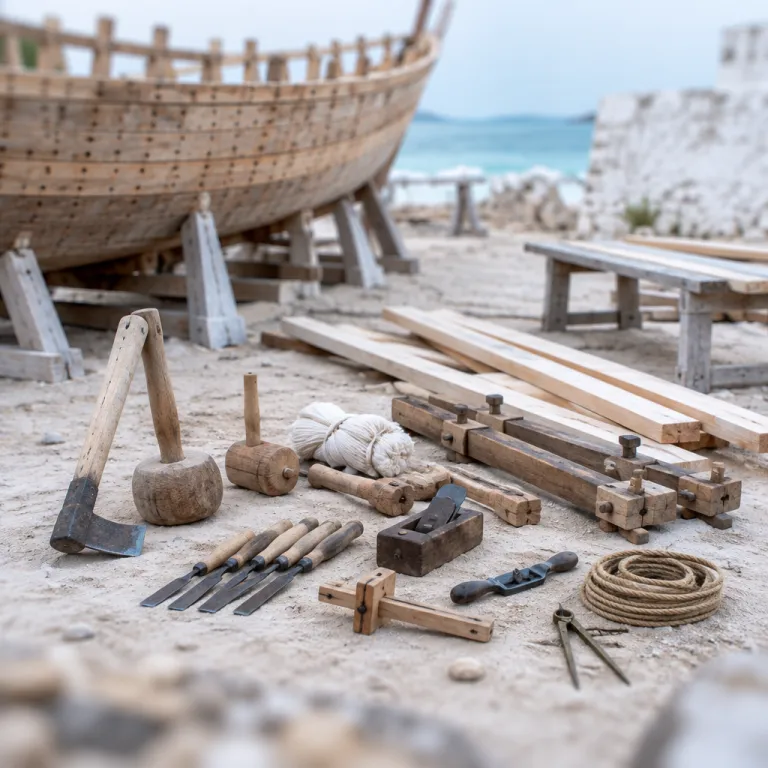
Walk ten minutes from the polished courtyards of a luxury guesthouse and you can stand in a working dhow building yard. Here on the edge of Lamu Town, near places like the Mkunguni and Shela boatyards, the smell of fresh mangrove and mahogany mixes with salt air from the Kenya coast. Craftsmen work by hand and eye, shaping each plank without formal plans yet with a precision that has carried East Africa across the Indian Ocean for centuries.
In these yards, a single Lamu dhow can take many months to complete, with apprentices learning to read the curve of a hull the way a Maasai guide reads grass on a Kenya safari. One builder might simply say, “The wood tells you the shape if you listen long enough,” and that quiet confidence comes from decades at the slipway. The process is slow, deliberate and communal, and it anchors Swahili culture in something more tangible than a museum label. When you visit as travellers with children, you are watching a living classroom where skills pass from one generation to the next.
The craft of dhow building is not a staged performance for a travel blog or social feed, and that matters. Each yard along the Lamu archipelago balances commercial pressure, rising timber costs and the expectations of visitors who arrive from island Kenya resorts. Respectful guests ask permission before taking photographs, keep a low profile and remember that this is a workplace, not a theme park.
For families staying near the waterfront, a guided walk to a dhow building yard can be one of the most meaningful cultural immersions on the Kenya coast. Many premium hotels now work with local guides who understand both the needs of travellers and the rhythms of the yards. This is where luxury travel in Kenya quietly shifts from passive viewing to active support of a fragile craft tradition.
If you are curating a wider itinerary of five luxury experiences in Kenya that have nothing to do with game drives, a morning in the dhow yards belongs on that list. The contrast between the quiet focus of the builders and the easy pace of Shela or Lamu beach life gives children a fuller sense of how work and rest balance here. It also shows that safaris in this country can mean tracking skills and stories, not only animals.
Swahili town life beyond the postcard beach
Step away from the sand and the first alley of Lamu Town immediately changes the story. Donkeys outnumber engines, coral stone houses lean close, and the call to prayer threads through a maze that has shaped Swahili culture for generations. For families used to wide roads and glass towers, this intimate scale feels both surprising and deeply human.
UNESCO heritage recognition here is not an abstract title but a daily reality, visible in carved doors, shaded courtyards and the steady flow of people between market and mosque. The Lamu Museum, housed in a former merchant’s residence, helps travellers place dhow sailing, trade routes and town planning within a wider East Africa narrative. When you walk out again, the sight of a Lamu dhow at the end of a lane suddenly carries more meaning.
Shela, a smaller settlement along the same island, offers a softer version of this town life with its long Shela Beach and low slung houses. Families often choose to stay here for easier access to the beach while making short boat trips to Lamu Town for markets, museums and evening strolls. The short sail between the two feels like a moving classroom on Swahili life, with the Indian Ocean as both road and storybook.
Luxury hotels in Lamu, Kenya increasingly design stays that weave together town, beach and dhow experiences rather than isolating guests behind walls. A morning might start with a guided walk through the alleys, continue with a visit to the Lamu Museum, and end with children playing on Shela Beach while dhows anchor offshore. This layered approach suits premium families who want comfort but also want their children to understand where they are.
When you later sip Kenyan coffee on a shaded terrace, you can trace its journey from highland farms near Thika to your cup, much like the dhows once carried goods along the coast. Reading about Kenya’s AA coffee from farm to export gives useful context for how trade still shapes both inland and island life. In Lamu, that trade is written in sails, hulls and the narrow streets that lead back to the sea.
How to experience dhow sailing with respect and style
For many visitors, the first direct encounter with Lamu dhow building Swahili heritage comes during a dhow sailing trip. The most popular option is a late afternoon or sunset cruise, when the light softens and the Indian Ocean turns metallic blue. Families can stretch out on cushions under the triangular sail while children watch the crew read wind and tide.
A well run sunset cruise is not a party boat but a quiet moving lounge, where conversation drops as the sail fills and Lamu Island slowly recedes. The best captains explain how their boats were built, how dhow building skills are passed down, and how Swahili culture still orients itself around the sea. When you book through a thoughtful hotel concierge, you are more likely to find operators who treat both guests and crew with care.
Day trips by dhow can take you to sandbars, uninhabited islets in the Lamu archipelago or simple beach lunches on the Kenya coast. These excursions suit premium families who want gentle adventure rather than adrenaline, with safe swimming, grilled seafood and plenty of shade. Along the way, you see how island Kenya communities still rely on these boats for fishing, school runs and everyday errands.
Etiquette on board is straightforward but important, especially when travelling with children. Ask before moving into the working area of the boat, keep noise low during sail changes, and treat the crew as hosts rather than staff. Tipping fairly and booking with operators who maintain their boats properly helps sustain both safety and the wider culture dhow economy.
If your wider itinerary includes a stay at a luxury tented camp, such as those featured in guides to elevated adventure in the Maasai Mara, the contrast with Lamu will be striking. On land, your Kenya safari might focus on vehicle based safaris and conservancy stories, while here the narrative is carried by hulls and sails. Together, they show that East Africa offers more than one way to move slowly through a landscape.
Why this craft matters now for luxury travellers
The romance of a Lamu dhow under full sail can hide a harder truth. Dhow building faces pressure from rising timber prices, cheaper fibreglass boats and younger workers drawn to other trades. For travellers who care about cultural immersion, the choices you make when booking can either accelerate that decline or help slow it.
Staying in properties that work directly with local dhow owners, guides and craftsmen keeps more value on the island. Some hotels quietly sponsor apprenticeships in dhow building or support events where culture dhow traditions take centre stage, such as the dhow races during the Lamu Cultural Festival. When you ask about these partnerships before you book, you signal that this heritage matters to guests as well as to locals.
The festival’s dhow races turn the channel between Lamu Town and Shela into a living regatta, with crews from across the Kenya coast competing under snapping lateen sails. Families watching from the beach or from a hired boat see not a staged show but a community testing skill, pride and boatbuilding in real time. It is one of the clearest reminders that dhow sailing here is still about performance in the practical sense, not only aesthetics.
For premium families planning safaris across Africa, combining northern Kenya wildlife with time on the coast creates a more balanced picture of the country. A Kenya safari in conservancies shows how land is managed, while days on Lamu Island reveal how sea based cultures adapt to change. Both landscapes reward travellers who look beyond the obvious highlights and ask how their spending can support long term resilience.
Thoughtful planning through platforms that specialise in luxury stays across Kenya helps align your comfort with this kind of impact. When you filter for properties that engage with local Swahili culture, support dhow building and respect the pace of island life, you turn a simple beach holiday into a meaningful exchange. That is where Lamu dhow building Swahili heritage stops being a backdrop and becomes part of your family’s shared story.
FAQ
Can families visit a working dhow building yard in Lamu ?
Yes, families can visit a working dhow building yard in Lamu when accompanied by a local guide or hotel representative. These visits are informal but should be treated as time in a real workplace, with respect for tools, space and the craftsmen’s focus. It is wise to ask permission before taking photographs and to keep group sizes small.
Is dhow sailing in Lamu safe for children ?
Dhow sailing in Lamu is generally safe for children when you book with reputable operators who provide life jackets and maintain their boats well. Conditions on the Indian Ocean around the Lamu archipelago are usually calm, especially for short coastal trips and sunset cruises. Parents should still supervise children closely and follow the crew’s instructions during boarding, sailing and landing.
How many days should we spend on Lamu island as part of a Kenya trip ?
Many premium families find that three to five days on Lamu Island works well within a longer Kenya itinerary. This allows time for at least one dhow sailing experience, a visit to Lamu Town and the museum, and relaxed hours on Shela Beach. If you are combining Lamu with a Kenya safari in northern Kenya, consider placing the island stay at the end of the trip for a gentler finish.
What should we wear when visiting Lamu town and the dhow yards ?
Lamu is part of a predominantly Muslim Swahili culture, so modest clothing is appreciated in town and in the dhow yards. Lightweight long trousers or skirts and covered shoulders are comfortable in the heat and respectful in narrow alleys and working spaces. Swimwear is best kept to the beach or boat, with a cover up used when moving through public areas.
How can our hotel booking support dhow builders and Swahili culture ?
Your hotel booking can support dhow builders and Swahili culture by choosing properties that employ local staff, use local guides and work directly with dhow owners. Asking about cultural programmes, apprenticeships or partnerships with events such as the Lamu Cultural Festival encourages hotels to invest in these areas. Booking dhow sailing and cultural tours through such properties keeps more income within the community that maintains this living craft.