Why kenya walking safari conservancy experiences feel different from classic game drives
On a kenya walking safari conservancy experience, the first shock is silence. Vehicles define most safaris in Kenya, yet walking through a private conservancy shifts the scale of everything and pulls you into the wildlife story at ground level. You stop counting game drives and start noticing how each walk rewires your sense of distance, risk and reward.
The reason this kind of walking safari is possible lies in land rules. In most national park areas and inside any national reserve such as the maasai mara National Reserve, guests must remain in vehicles for safety and to manage wildlife pressure, while private conservancies surrounding the mara national ecosystem can authorise guided walks under strict protocols. That is why serious walkers focus on private conservancies like Naboisho Conservancy, Mara North Conservancy and Olare Motorogi Conservancy, where walking focused camps design safaris Kenya itineraries around time on foot rather than only drives.
Think of the conservancy as a living laboratory. On a kenya walking safari conservancy itinerary you share space with resident wildlife that moves freely between the national park core and the surrounding conservancies, yet densities are lower and vehicles fewer, so the experience feels more intimate. You might stay at a camp inside a conservancy bordering the masai mara, then spend one day exploring by vehicle in the national park and the next morning on a walking safari that tracks the same game corridors without the hum of an engine.
What changes when you walk: detail, humility and the luxury of skilled guides
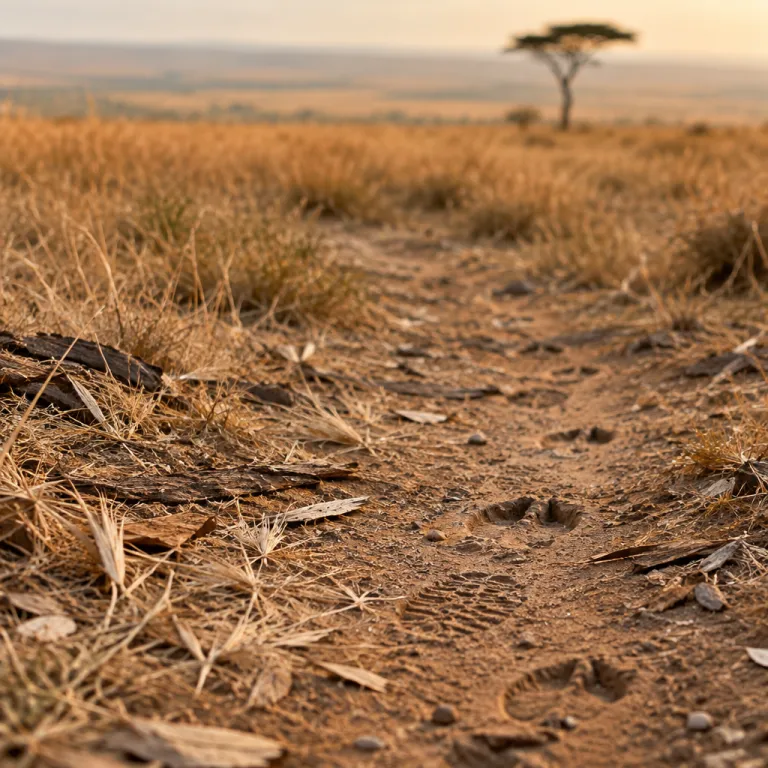
Step out of the vehicle and the entire safari recalibrates. On a kenya walking safari conservancy morning, your guide kneels over a line of tracks while a Maasai tracker reads the ground like a newspaper and turns a simple walk into a layered wildlife seminar. You realise how much the vehicle edits out — the insects, the grass textures, the faint bird calls that map the conservancy like a living soundscape.
On foot, every sign matters. Fresh dung on a laikipia plateau trail, a broken twig in the Chyulu Hills or a sudden silence from weaver birds in a mara conservancy all feed into the guide’s mental map of game movement, and this constant reading of sign is the real luxury in safaris Kenya travellers rarely appreciate until they try walking safaris. Armed rangers, often from local Masai or Maasai communities, lead guided walks with clear safety briefings, strict wind awareness and agreed limits on how close you will get to big game.
Time of day shapes everything. Most walking focused experiences start at first light when temperatures are cool, wildlife is active and the air in both laikipia conservancies and the masai mara feels startlingly clear after the rains, while late afternoon walks are shorter and slower to avoid heat stress and to keep visibility high in the long grass of the dry season. If you are curious about how altitude affects sleep and recovery between walks, look at highland properties positioned as sleep focused Kenya camps in the highlands, then pair them with a lower lying conservancy for contrast.
Where to walk: from the masai mara conservancies to laikipia and the Chyulu Hills
The masai mara conservancies are the obvious starting point for a kenya walking safari conservancy itinerary. Naboisho Conservancy, Mara North Conservancy and Olare Motorogi Conservancy sit along the northern edge of the masai mara, and each offers a slightly different balance of game drives, walking safaris and night drives, with strict limits on vehicle numbers to protect wildlife. In these private conservancies you can walk in the morning, then cross into the adjacent mara national reserve by vehicle later that day to see the same herds from a different angle.
Naboisho Camp is one of the clearest examples of a walking focused property. From Naboisho Camp you can join a half day walking safari that follows ancient wildlife paths, then return to camp for lunch and an afternoon game drive, while multi day walking safaris can be arranged for guests who want to sleep out in lightweight fly camps within the conservancy. Further north, the laikipia plateau offers a different kenya walking rhythm, with camel assisted walks, rockier terrain and views that stretch from one conservancy to the next across former ranch land now managed as wildlife reserve networks.
For travellers who want to combine walking with dramatic volcanic scenery, the Chyulu Hills between Amboseli and Tsavo are compelling. Here, a kenya walking safari conservancy experience might mean hiking along old lava flows in a private conservancy that borders a national park, watching clouds build over Kilimanjaro while your guide explains how this corridor links elephant populations across multiple parks and reserves. To plan these routes with confidence, study specialist round ups of Laikipia wilderness safari camps that already prioritise guided walks and low vehicle density.
Designing your stay: how to fold walking into a wider kenya safari
For most travellers, the sweet spot is balance. A kenya walking safari conservancy stay works best when you alternate walking safaris with classic game drives, using each day to tune into a different layer of the ecosystem and to avoid turning your holiday into an endurance test. Think of one morning walk, one afternoon drive and one evening in camp, rather than stacking multi day hikes back to back.
Solo explorers often thrive on this rhythm. You might start with two nights in a masai mara camp that focuses on vehicle based game drives inside the national park, then shift into a private conservancy for three nights of walking focused activities, including one longer multi day trail with a lightweight fly camp and two shorter guided walks near your main camp. Families with younger children can still enjoy a kenya walking experience by choosing conservancies that offer gentle nature walks within a fenced zone, while older teenagers may join full walking safaris once they meet age and fitness guidelines.
Season matters as much as location. In the dry season, grass is shorter and visibility higher, which makes walking safaris in the mara conservancies and on the laikipia plateau feel more relaxed, while in the green months the air is crisp, tracks are easier to read and mornings in both laikipia and the Chyulu Hills can feel almost alpine. If you want to offset the intensity of a kenya walking itinerary, consider ending your trip with barefoot coastal time at a property such as a private Indian Ocean bay retreat, where the only walking is along the tideline.
Safety, expectations and who walking safaris in kenya really suit
Walking safaris in Kenya are not about chasing adrenaline. A kenya walking safari conservancy outing is slow, deliberate and shaped by strict safety protocols that your guide will explain before you leave camp, including how to walk in single file, when to speak and what to do if you will meet big game at close range. The presence of an armed ranger is standard, but the real security comes from the guide’s judgement and the tracker’s ability to read wind, terrain and animal behaviour.
This style of safari suits curious, reasonably fit travellers who care more about understanding wildlife than ticking off species. Solo guests often find that a walking focused conservancy stay creates easy conversation, because shared guided walks break the ice faster than shared vehicles, and the slower pace allows time to ask detailed questions about everything from national park management to how private conservancies support local Masai and Maasai communities. Young children are usually better served by vehicle based safaris and short camp based nature walks, while older teenagers who respect rules can be excellent walking companions.
Expectation management is crucial. On a kenya walking safari you will cover fewer kilometres than on a drive, and you may spend an entire day following tracks without a dramatic sighting, yet the reward lies in the accumulation of detail and the sense of moving through a functioning ecosystem rather than skimming its surface. When you return to vehicle safaris Kenya wide after a few days on foot, even a routine game drive in a busy park or reserve feels sharper, because you now understand how every patch of ground connects.
FAQ
Is walking in a kenya conservancy safe for first time safari travellers ?
Walking in a kenya conservancy is safe when it is conducted by licensed guides and armed rangers who follow strict protocols. Reputable camps in private conservancies around the masai mara, laikipia and the Chyulu Hills assess fitness levels, give clear briefings and choose routes that match conditions on the day. First time safari travellers should always book through established operators and be honest about their comfort with close wildlife encounters.
How fit do I need to be for a kenya walking safari conservancy experience ?
Most kenya walking safari conservancy outings involve gentle terrain and distances of 5 to 8 kilometres at a slow pace, with frequent stops to read tracks or watch wildlife. If you are comfortable walking for two to three hours on uneven ground, you will cope well with standard guided walks in the mara conservancies or on the laikipia plateau. Longer multi day trails require better stamina, but your camp can usually tailor the route to your ability.
Can children join walking safaris in the masai mara conservancies ?
Policies vary by camp and conservancy, but many masai mara properties set a minimum age, often between 12 and 16, for full walking safaris. Younger children may be offered shorter nature walks within or near camp, where wildlife risk is lower and the focus is on tracks, insects and plants rather than close big game encounters. Always check age limits before booking and be prepared for guides to make a final decision based on conditions on the day.
How many days should I allocate to walking versus game drives in Kenya ?
A balanced kenya itinerary usually includes two to four days in a kenya walking safari conservancy and a similar amount of time focused on vehicle based game drives in a national park or national reserve. This mix allows you to experience the intensity of walking safaris while still covering the wider landscapes that only vehicles can reach in a single day. Solo travellers often enjoy at least one multi day walking option, while families may prefer more time in vehicles.
What should I pack specifically for walking safaris in Kenya conservancies ?
For walking safaris in Kenya conservancies, pack lightweight neutral coloured clothing, broken in walking shoes, a wide brimmed hat, high SPF sunscreen and a small daypack for water and layers. Many camps provide walking sticks and sometimes gaiters, but you should bring any personal medical supplies and a refillable bottle to reduce plastic waste. Binoculars are especially valuable on guided walks, because they allow you to observe wildlife at a safe distance without disturbing the animals.
References
Kenya Wildlife Service ; Mara Conservancy ; Laikipia Wildlife Forum.