Kenya coffee tour as a luxury detour between Nairobi and Mount Kenya
Most luxury travelers land in Nairobi thinking about lions, not a kenya coffee tour. Yet the most rewarding detour between the capital and Mount Kenya lodges is a quiet road north through Thika, where every curve reveals a new coffee farm and a different shade of green. This is where the journey from cherry to cup becomes a tactile experience rather than a tasting note on a menu.
Thika sits in central Kenya at around 1600 meters, an altitude that shapes the bright structure of Kenyan coffee and gives Kenya AA its famed clarity. Here, smallholder farmers tend plots averaging about 0.4 hectares, often with only 200 trees, and each farm tour feels intimate, almost like being welcomed into a family garden rather than a commercial coffee estate. For a solo traveler, that scale makes the kenya coffee tour feel personal, with enough time to ask questions and follow the coffee process without being rushed back to a safari vehicle.
From Nairobi, you can book a private driver or arrange a transfer through your luxury hotel concierge, turning the drive to Mount Kenya into a curated coffee tour instead of a straight highway run. Many high end properties now work with specific estates and cooperative societies, so your guide can move you seamlessly from one coffee farm to another, with tasting sessions and a detailed explanation of each process farm stage. Think of it as a three day coffee-country trail, with your luggage in the car and your mind focused on understanding coffee rather than airport queues.
Along this route, the contrast between polished city hotels in Nairobi and the working rhythm of a coffee estate is part of the appeal. One morning you are choosing a room from a digital cart on a luxury booking site, the next you are standing beside raised drying beds, watching the coffee process unfold under the sun. For travelers who already love a refined farm cup in New York or San Francisco, tracing Kenyan coffee back to its source in Kenya adds context, texture and a deeper appreciation of every future sip.
Inside karunguru and Thika estates: from cherry picking to farm cup
Karunguru, just outside Thika, is often the first stop on a kenya coffee tour because it balances heritage, access and comfort. The karunguru coffee team has turned their historic coffee estate into a polished yet authentic setting where you can walk the rows, watch pickers at work in season and then sit down for a guided tasting under the trees. For luxury travelers used to white tablecloth service, the shift to red soil and green cherries feels refreshing rather than rustic.
During harvest, cherries are handpicked at the coffee farm, with workers selecting only the ripest fruit to protect the quality of Kenyan coffee at every stage. You follow the path from the farm to the wet mill, where depulping machines strip away the skin and fermentation tanks begin the fully washed coffee process that defines much of Kenyan production. Guides explain how double fermentation enhances flavor complexity, turning a simple farm tour into a masterclass in understanding coffee rather than a quick photo stop.
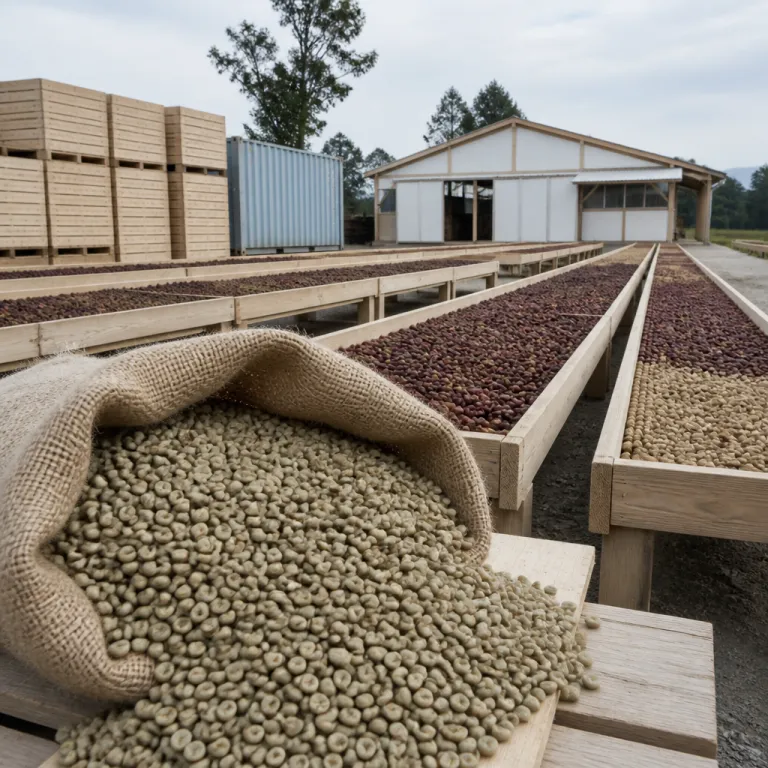
After washing, parchment coffee dries on raised beds, and this is where the kenya coffee tour becomes tactile, as you run beans through your fingers and feel the difference between stages. Staff often invite guests to help rake the beans, a small gesture that connects you to the process farm rhythm and the patience behind each cup. By the time you sit for a structured tasting, or cupping, the farm cup in front of you carries clear points of reference, from altitude to soil to processing choices.
Karunguru and neighboring estates usually offer prebooked tours that fit neatly into a luxury travel itinerary, with clear start times and private guide options. You can book through your hotel, through a specialist kenya coffee tour operator, or directly with the estate if you prefer a more independent experience. For travelers seeking luxury experiences in Kenya that have nothing to do with game drives, this kind of curated coffee tour is as considered and layered as any fine dining reservation, and you can read more about such alternative high end activities in this guide to five luxury experiences in Kenya that have nothing to do with game drives.
Cooperatives, washing stations and the Nairobi auction
Beyond the manicured lawns of a private estate, the heart of a kenya coffee tour lies with the smallholder farmers who deliver cherries to cooperative washing stations. These are the actors who shape most Kenyan coffee, growing on tiny plots and relying on shared infrastructure to reach international buyers. Visiting a cooperative turns an elegant farm tour into a deeper encounter with the social and economic fabric of Kenya.
At a typical washing station, you watch farmers arrive with sacks of cherries, each weighed and logged before entering the coffee process. Staff guide you through depulping, fermentation and washing, then out to the drying beds where parchment coffee lies in thin layers, turned regularly to avoid defects and preserve the clean, high acidity that defines Kenya AA. The dataset explains this clearly in one of the real_verified_quotes : "What does 'AA' mean in Kenyan coffee?" and the answer is given as "It refers to the largest bean size, over 7.2 mm."
Guides at these stations often answer technical questions that elevate your understanding coffee beyond what any café menu can offer. When you ask why a particular farm cup tastes so bright, they point to altitude, volcanic soils and the fully washed method, echoing another dataset quote : "Why is Kenyan coffee highly acidic?" with the answer "High altitudes and volcanic soils contribute to its acidity." That level of detail turns a kenya coffee tour into a living classroom, where each stage of the coffee process is linked to flavor, price and farmer income.
From here, the story moves to Nairobi, where exporters and international buyers meet at the auction to bid on lots graded by size and quality. Kenya AA, especially from respected regions like Nyeri and Thika, can command premiums of 30 to 50 dollars per kilogram of green coffee, reflecting both demand and the meticulous process farm chain behind it. For travelers interested in cultural immersion, pairing a cooperative visit with a conversation about Maasai hospitality and broader Kenyan traditions, as explored in this piece on the Maasai hospitality conversation beyond the cultural visit, offers a rounded sense of how different communities engage with tourism and global markets.
Designing a three day solo kenya coffee tour from Thika to Nyeri
A well planned three day kenya coffee tour between Thika and Nyeri works beautifully for a solo traveler who values independence and comfort. Day one can focus on karunguru coffee and neighboring estates near Thika, where you book a morning farm tour, walk the fields, then settle into a shaded veranda for a tasting flight that moves from lighter roasts to deeper, chocolate toned cups. Afternoon brings a drive toward the Aberdare foothills, where you check into a premium lodge that understands both safari guests and coffee enthusiasts.
Day two shifts the focus to Nyeri, a region whose higher slopes produce some of the most sought after Kenyan coffee, with crisp acidity and layered fruit notes. Here, your guide can arrange visits to both a private coffee estate and a cooperative washing station, giving you two contrasting perspectives on the same coffee process. Between stops, you pass tea fields, small towns and roadside markets, each adding cultural points to your travel narrative and reminding you that this is not a sealed resort experience but a living landscape.
On the final day, you might return toward Nairobi with a stop at another coffee farm or a smaller estate that specializes in micro lots for third wave roasters. Many of these producers now work directly with international partners, reflecting the growing demand for traceable, single origin Kenyan coffee and the premiums such relationships can generate. As you head back to the city, your cart of hotel memories now includes not just game drives and spa treatments but the feel of red soil underfoot and the sound of beans being raked on raised beds.
Throughout this route, luxury and premium hotels play a quiet but crucial role in shaping the kenya coffee tour experience. Concierges can help you book vetted guides, arrange safe transfers and secure farm tour slots that respect both your schedule and the farmers’ workday. If you want to extend the journey into the bush, pairing this coffee trail with a night of refined bush dining under the stars, as described in this feature on bush dining under the Milky Way when the five course dinner becomes the safari, creates a Kenya itinerary that balances highland estates with wild savannah in a single, coherent arc.
From farm cup to global specialty: how luxury travelers engage with Kenyan coffee
For many guests browsing a luxury hotel booking site, coffee appears as a line item under breakfast, not as a reason to travel. Yet once you have walked a coffee farm in Thika or Nyeri, the farm cup served at your lodge becomes a narrative object, carrying the weight of altitude, soil and human labor. That shift in perception is exactly what a carefully curated kenya coffee tour can deliver for discerning travelers.
Specialty roasters in the United States, Europe and Asia prize Kenyan coffee for its structure, clarity and ability to express terroir, often paying significant premiums for top scoring lots. The production chain you witness, from handpicking to washing, drying, grading and cupping, explains why these coffees can command 30 to 50 dollars per kilogram of green beans and still sell out. When you sit in a Nairobi café after your farm tour, sipping a meticulously brewed cup, you now understand each of the process farm steps that brought it from a hillside estate to your table.
For luxury travelers, this knowledge becomes part of the broader cultural immersion that defines a high end Kenyan itinerary. Just as a thoughtful guide can read the Maasai Mara grass like a newspaper, a skilled coffee guide can read a drying bed or a cupping table, pointing out defects, strengths and the subtle points that separate a good lot from a great one. The dataset captures this technical side in another quote : "How is Kenyan coffee processed?" with the answer "Typically fully washed with double fermentation."
Back home, the experience continues every time you book a hotel or scan a café menu and see Kenyan coffee listed by region, farm or cooperative. You might choose a Nyeri single origin because you remember the cool air on your face during that early morning tour, or a Thika lot because you recall the family who welcomed you into their coffee estate. In this way, a kenya coffee tour does not end at the airport ; it reshapes your relationship with every future cup, turning a daily ritual into an ongoing connection with Kenya and the people who grow its most celebrated export.
FAQ
What does AA mean in Kenyan coffee grading ?
AA in Kenyan coffee grading refers to the largest bean size category, with beans measuring over 7.2 millimeters in diameter. This size is associated with high quality lots, although flavor also depends on altitude, processing and farm practices. On a kenya coffee tour, guides often show you AA, AB and other grades side by side to illustrate the differences.
Why does Kenyan coffee taste so bright and acidic ?
Kenyan coffee is grown at high altitudes, often around 1600 meters, on volcanic soils that promote slow cherry development and concentrated flavors. The fully washed coffee process, including double fermentation at many washing stations, further sharpens acidity and clarity in the cup. When you taste side by side during a farm tour, this structure becomes easy to recognize.
When is the best time to plan a kenya coffee tour ?
Kenya has two main coffee harvest periods, an early crop from roughly May to July and a later crop from around October to December. Visiting during these windows lets you see active picking, processing and drying, turning your kenya coffee tour into a dynamic experience rather than a static walk through empty fields. Outside harvest, you can still tour farms and estates, but the focus shifts more to cupping and background explanations.
How can a luxury traveler arrange visits to cooperatives and estates ?
Most luxury and premium hotels in Nairobi and central Kenya can connect you with reputable guides who specialize in coffee tours. You can also contact estates like karunguru coffee directly to book structured visits, or work with specialist travel companies that design multi day itineraries from Thika to Nyeri. The key is to arrange appointments in advance so that your presence fits smoothly into the farm and cooperative workday.
Is it possible to buy coffee directly from farms during a tour ?
Many estates and some cooperatives sell roasted or green coffee on site, allowing you to take home beans from the very farm you visited. Quantities are usually limited, and export regulations apply for larger volumes, but a few bags in your luggage are rarely a problem. This direct purchase adds a tangible layer to your kenya coffee tour, turning memories into something you can brew and share with friends.