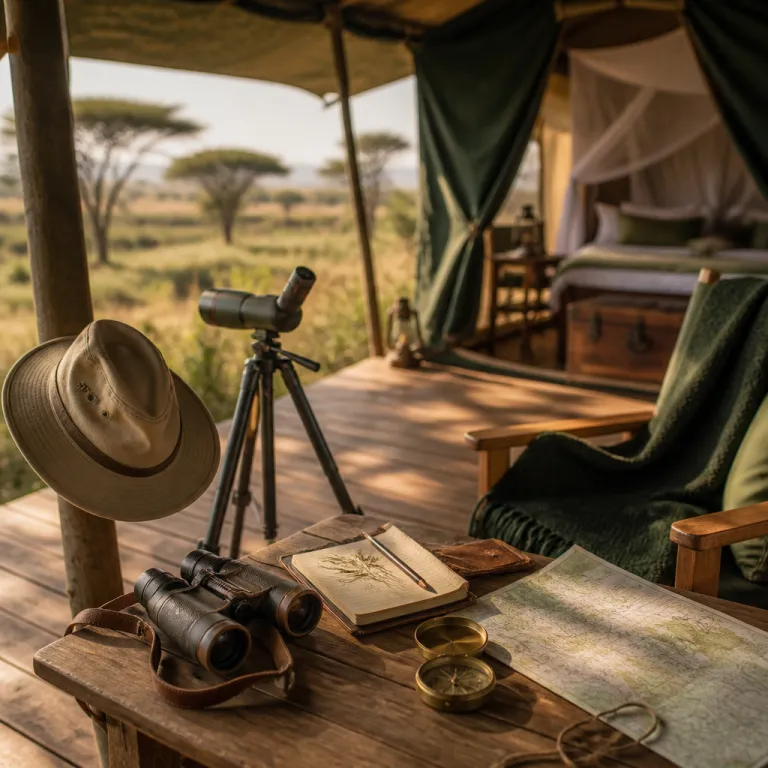
When you encounter Mara: why this tented camp defines wild luxury
Encounter Mara sits quietly in the Mara Naboisho Conservancy, yet it anchors one of the most immersive safari experiences in Kenya. This intimate tented camp is managed in partnership with Asilia Africa and designed so every guest can encounter the wider Mara ecosystem while still enjoying refined comfort and attentive service. With only ten spacious tents, the camp offers rare privacy, generous space, and a front row seat to Africa’s most dramatic wildlife theatre.
The camp lies within the privately managed Naboisho Conservancy, which borders the Masai Mara National Reserve and forms part of the greater Mara landscape. Naboisho covers roughly 50,000 acres of community-owned land, leased from more than 600 Maasai landowners through the Mara Naboisho Conservancy Trust. Because the conservancy model limits vehicle numbers and channels conservation fees directly to these landowners, guests benefit from quieter game drives and more exclusive safaris compared with many larger camps and lodges inside the main reserve. This balance between conservation, community, and guest experience is the core reason seasoned travellers repeatedly choose this particular Mara camp for their trip.
From the moment you arrive at Encounter Mara, the sense of place is unmistakable and deeply authentic. Canvas tents open onto sweeping plains where giraffes, antelopes, and sometimes lions move past as you sip coffee in the early morning light. One guest, quoted in an Asilia Africa trip report from 2023, described watching a cheetah silhouette cross the horizon at dawn, “so close I could hear the grass brushing against its legs.” At night, the bush soundtrack replaces city noise, and the soft glow from the campfire blends with the stars over Africa, reminding you exactly why a stay here feels so different from a standard hotel booking.
Adventure activities in the Mara Naboisho Conservancy
Staying at Encounter Mara is not only about a beautiful tented camp; it is about how you spend every hour between dawn and night. Twice-daily game drives in open 4x4 vehicles are led by highly trained local Maasai guides who know the conservancy intimately and can read the bush like a living map. These guided game drives explore the Naboisho Conservancy and often extend towards the Masai Mara and the wider Mara ecosystem, creating a seamless safari narrative across different habitats.
Walking safaris are a signature experience here, and they change how you encounter the Mara landscape. On foot, every salt lick, track, and broken branch becomes a clue in the ongoing game of survival that defines life in this part of Africa. Because the conservancy has stricter rules than the national reserve, walking activities are carefully managed for safety while still allowing you to feel the thrill of being at eye level with the bush.
Night drives are another privilege of staying inside a private conservancy rather than only in the Masai Mara National Reserve. After sunset, you head out from camp with a spotlight, searching for elusive nocturnal species that rarely appear during the day, such as civets, genets, and sometimes big cats on the hunt. These night drives often become the highlight of a trip, revealing a completely different side of the Mara Naboisho wilderness that most day visitors never see.
Design of the camp and life under canvas
The design of Encounter Mara blends eco-friendly principles with the quiet elegance expected from a premium safari camp. Ten large canvas tents are raised on wooden decks, each positioned to overlook open plains where wildlife frequently grazes or passes by on its way to a nearby salt lick or water source. Inside, you find proper beds, ensuite bathrooms, and thoughtful details that make the tented camp feel luxurious without breaking the connection to the surrounding bush.
Because the camp capacity is limited to ten tents, service remains personal and unhurried, which is ideal for travellers who value privacy during high season. Shared spaces such as the lounge and dining area are open-sided, allowing guests to watch the light change across the conservancy while enjoying meals prepared with fresh local ingredients. When the camp is occasionally closed for maintenance or low season, the team uses the time to refine eco systems, train staff, and ensure the camp remains aligned with conservation goals.
Daily life at this Mara camp follows the rhythm of the bush rather than a rigid hotel schedule. Early mornings start with coffee delivered to your tent before the first game drives, while afternoons invite you to rest, read, or simply watch the passing wildlife from your private deck. As night falls, lanterns guide you along sandy paths between tents and the main area, and the sounds of the Maasai Mara replace any need for artificial entertainment.
Community, culture, and the Maasai connection
Encounter Mara was established with a clear purpose: to support local Maasai communities while protecting the wildlife-rich lands of the Naboisho Conservancy. The camp partners with landowners who lease their plots to the conservancy, ensuring that income from safaris helps fund education, healthcare, and livelihoods. Figures such as guest numbers and acreage can vary over time, so travellers should treat any published statistics as indicative rather than definitive, but the underlying model remains the same: every stay contributes to both conservation and community development across this corner of Kenya.
Local Maasai guides lead most activities, from game drives to walking safaris and cultural visits to nearby homesteads. Guests can visit a traditional manyatta to learn how the Maasai balance modern education with ancestral customs, gaining insight into the people who have lived alongside the Mara ecosystem for generations. These encounters are handled respectfully, avoiding staged performances and instead focusing on genuine exchange between visitors and hosts.
The partnership between Asilia Africa and the community has evolved since the camp opened, with milestones such as formal agreements and ecotourism recognition underscoring its impact. Encounter Mara has been recognised by Ecotourism Kenya with a Gold eco-rating, highlighting its low-impact design and community partnerships. Lions, elephants, giraffes, and various antelope species are not just a checklist of wildlife; they represent the shared natural heritage that both the conservancy and the camp work to protect. For travellers, this means a stay at Encounter Mara is not only a luxury safari but also a meaningful way to support the future of the Masai Mara and the broader Mara landscape.
Planning your trip, seasons, and practical booking advice
Choosing the right time to visit Encounter Mara can significantly shape your safari experience. The dry season from roughly June to October is often considered the best time to visit for concentrated wildlife viewing, as animals gather around water sources and the grass is shorter for easier sightings. During this high season, demand for tents at the camp and other camps and lodges in the Masai Mara and Mara North Conservancy rises, so booking early through a trusted luxury hotel platform is essential.
Outside the peak months, the green season offers softer light, fewer vehicles, and excellent value per person night, especially for longer trips. Rains transform the Mara ecosystem into a lush landscape, and many travellers appreciate the quieter conservancy atmosphere and more flexible game drives. When planning your trip, check carefully whether any part of the camp’s closure calendar overlaps with your preferred dates, and confirm whether you want to combine the Naboisho Conservancy with time in the main Masai Mara National Reserve or even the neighbouring Mara North area.
Luxury booking websites specialising in Kenya often package Encounter Mara with other properties across Africa, such as coastal retreats or wellness stays in forested regions. For travellers seeking a restorative contrast to the intensity of game drives, pairing a few nights in the Mara Naboisho Conservancy with a wellness-focused stay such as forest bathing in Nyeri can create a balanced itinerary. Whether you focus solely on safaris or combine multiple regions, ensure your agent understands the differences between each conservancy, the national reserve, and the various camps so your overall trip flows smoothly.
How Encounter Mara compares within the wider Mara ecosystem
Within the broader Mara ecosystem, travellers can choose between properties inside the Masai Mara National Reserve, in private conservancies like Naboisho Conservancy, or in the Mara North Conservancy and other northern areas. Camps and lodges inside the main reserve often sit closer to famous river crossing points but can experience higher vehicle densities during peak season. By contrast, Encounter Mara in the Mara Naboisho Conservancy offers controlled vehicle numbers, access to night drives, and walking safaris, which many experienced travellers consider a more exclusive way to encounter the bush.
When reading any Mara review, pay attention to whether the property lies in the national reserve, a private conservancy, or further into Mara North, because this affects what activities are legally allowed. For example, night game drives and off-road viewing are typically permitted in conservancies like Naboisho but restricted inside the Masai Mara National Reserve. This means a tented camp such as Encounter Mara can offer a wider range of safari activities while still maintaining strict environmental guidelines and supporting local communities.
Luxury booking platforms that specialise in Kenya and Africa should clearly explain these distinctions so you can match your expectations to the right camp. If you want maximum flexibility with drives, walks, and cultural encounters, a conservancy-based Mara camp is usually the better choice than a property deep inside the national reserve. For travellers who value both comfort and conservation impact, Encounter Mara stands out as a camp where every game drive, every person night, and every stay contributes to the long-term protection of this remarkable corner of Africa.
Key figures and conservation impact at Encounter Mara
- Encounter Mara operates with only ten tents, which limits guest numbers and helps ensure a low-impact presence across tens of thousands of acres within the Mara Naboisho Conservancy. Exact acreage and zoning can change as the conservancy evolves, so travellers should consult current conservancy data for the latest figures.
- The camp typically welcomes a relatively modest number of visitors per year, reflecting its focus on quality safaris rather than mass tourism and helping maintain the integrity of the surrounding bush. Any specific guest statistics published by third parties should be treated as approximate snapshots rather than fixed totals.
- The Naboisho Conservancy model brings together hundreds of Maasai landowners, whose leased lands create a vital buffer between the Masai Mara National Reserve and community areas, strengthening wildlife corridors across the wider Mara ecosystem.
- Recognition through ecotourism awards has highlighted Encounter Mara’s innovation in eco-friendly camp design and its role in promoting sustainable tourism in Kenya’s flagship safari region. Travellers interested in detailed certification criteria can review the latest reports from recognised ecotourism bodies.
FAQ about Encounter Mara and luxury safaris in Kenya
What wildlife can I expect to see during game drives at Encounter Mara?
Guests regularly see lions, elephants, giraffes, and various antelope species during game drives in the Naboisho Conservancy and the neighbouring Masai Mara. The conservancy’s mix of open plains, acacia woodland, and seasonal watercourses supports a high density of wildlife year round. Because vehicle numbers are limited, sightings often feel more intimate than in busier parts of the national reserve.
Is Encounter Mara suitable for families and multi generational trips?
Encounter Mara is well suited to families, with flexible tent configurations and guides experienced in tailoring safaris for different ages. Many families choose to book a combination of private game drives and shared activities so children can learn about the bush at a comfortable pace. Advance planning with your booking consultant helps align tent locations, mealtimes, and activities with your family’s needs.
What is the best time visit for a safari at Encounter Mara?
The most popular time to visit Encounter Mara is during the drier months from roughly June to October, when wildlife viewing is at its most concentrated. These months coincide with high season across the Masai Mara and the wider Mara ecosystem, so availability at the camp can be limited. Shoulder seasons offer greener landscapes, fewer vehicles, and attractive person night rates while still delivering excellent game viewing.
How does staying in a conservancy differ from staying inside the Masai Mara National Reserve?
Staying in a conservancy such as Naboisho typically allows activities like night drives and walking safaris, which are usually not permitted inside the Masai Mara National Reserve. Conservancies also limit vehicle numbers and channel a portion of every person night fee directly to Maasai landowners, supporting local livelihoods. For many travellers, this combination of flexible activities and community impact makes a conservancy-based Mara camp more appealing than a property inside the main reserve.
Is Encounter Mara open all year, or is the camp closed in some months?
Encounter Mara operates year round, but there may be short periods when the camp is closed for maintenance or upgrades, often timed with quieter travel months such as April or May. Your booking platform or travel advisor will confirm exact dates and advise how these align with your preferred trip window. Planning ahead ensures you secure your ideal season, tent type, and length of stay in this sought-after corner of Kenya.