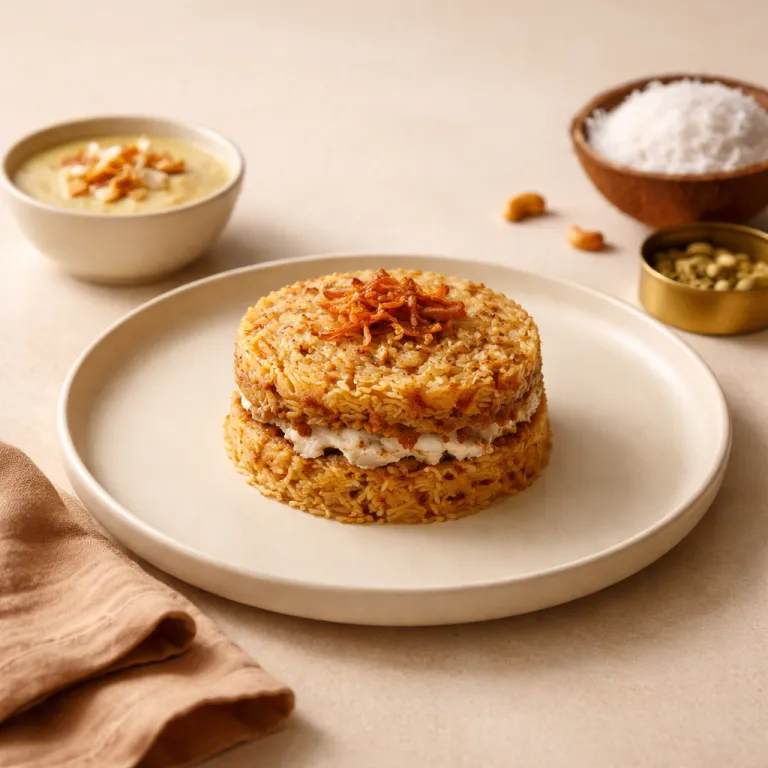
Why Lamu cuisine swahili food completes a Kenyan luxury itinerary
Safari lodges in the Mara plate refined grills, but they rarely touch the depth of coastal Swahili cuisine in Lamu. After days of game drives and sundowner drinks, your palate quietly asks for the ocean, for Swahili dishes built on coconut, fresh fish and aromatic spices that feel lighter yet more layered. This is where Lamu, with its traditional Swahili streets and Indian Ocean breeze, finishes the story that began with lions, open savannah and the first campfire grills.
On the archipelago, Swahili cuisine is not a theme night, it is the operating system, and every serious luxury property understands that your culinary experience must move beyond generic chicken and beef buffets. Menus lean into grilled fish pulled from the ocean that morning, curry sauce enriched with coconut milk, and rice perfumed with cardamom, cloves and a bit of red chilli, giving you flavors that feel both coastal and cosmopolitan. The result is Lamu Swahili food that resets your body after safari, trading heavy camp stews for plates built from ingredients that grew or swam within a few kilometres of the beach.
The history behind this food is long and specific, and it matters when you are choosing where to stay. Lamu’s kitchens sit on seven centuries of trade, where Bantu techniques met Arab spice routes, Indian flour-based breads and Portuguese ways with seafood, creating Swahili dishes that no inland lodge can credibly reproduce. As one local explanation, echoed by the National Museums of Kenya and UNESCO notes on Lamu Old Town, puts it without exaggeration, “Influences from Swahili, Indian, and Portuguese cultures have shaped its unique flavors.”
The four layers on a swahili plate: Bantu, Arab, Indian, Portuguese
Think of a serious Lamu menu as four quiet layers working together rather than a single Swahili cuisine label. The Bantu base is the grain and tuber logic behind pilau, biryani and viazi karai, where potatoes are dipped in a light flour and coconut milk batter, then slipped into hot oil in a deep karai pan until the edges turn red gold and crisp. That same flour coconut mixture appears in mahamri, the slightly sweet doughnut that solo travellers quickly adopt as breakfast ritual, especially when a hotel sends them up with fresh juice to a shaded terrace overlooking the ocean.
The Arab layer arrives through spices and sauces, and it is here that Lamu Swahili cooking separates itself from most safari lodge food. Cardamom, cinnamon, cloves and black pepper are not decorative; they are structural aromatic spices that define the curry sauce around fish, chicken or beef or vegetables, and they are balanced with tamarind, garlic and sometimes a bit of chilli heat. When a chef understands traditional Swahili technique, the sauce clings lightly rather than drowning the grilled fish, letting the ocean still speak through the smoke and the pan-seared crust.
Indian traders added lentils, chapati and a more formalised use of flour, while the Portuguese influence shows in the confidence with seafood and the habit of cooking fish grilled over open fire. You taste that in samaki wa kupaka, where a whole fish is first grilled, then bathed in a coconut curry made with coconut milk, garlic, lemon and a careful mix of spices that feel coastal rather than heavy. For travellers who have eaten tasting menus in Nairobi, including theatrical fine dining such as Le Petit Chef at Hemingways in 2023, this layered Swahili food is the quieter, more grounded counterpoint.
Property by property: where luxury hotels in Lamu cook best
Peponi Hotel Lamu is still the reference point for many serious eaters, and for good reason. The property runs three distinct restaurant concepts, which lets the kitchen move from grilled fish on the terrace to more international plates without diluting the core Swahili dishes that regulars expect. Solo travellers often start at the bar, where ordering samaki wa kupaka or a plate of viazi karai with a cold drink feels like the most natural single diner move on the coast.
Lamu House, with its Moonrise restaurant, leans into a Kenyan international hybrid that suits guests who want both Swahili cuisine and a familiar steak or chicken and beef dish. Here, a chef might pan sear fish in garlic and butter, then finish it with a light coconut curry sauce, letting the ingredients speak rather than hiding them under too many flavors. The dining room feels intimate without being precious, and the staff are used to solo explorers who want to talk about the ocean, the town’s history and which street food stall is currently doing the best grilled octopus or red snapper.
Further out, Manda Bay turns lunch into theatre, setting tables directly on the sand for beach lunches that feel like the high end picnic equivalent of bush dining under the Milky Way on safari. Instead of lantern lit acacia trees, you get the ocean, a simple grill, and fish grilled over open flame while a cook brushes on coconut milk, lime and a bit of chilli sauce. Kipungani Explorer, when operating, has traditionally focused on low key luxury, where a pan of pilau or a platter of grilled fish arrives family style, and the culinary experience is about timing the tide and the light rather than chasing elaborate plating.
Beyond the hotel gates: Lamu town, street food and Old Town alleys
Staying in a luxury property on the archipelago should not mean eating only behind its walls. Lamu town, especially the UNESCO listed Old Town, is where traditional Swahili cooking lives in its most unvarnished form, and a short walk with a trusted guide opens up a different layer of coastal food culture. You move past carved doors and donkeys to small cafés where a single pan on an open flame turns out viazi karai, bhajias and other street food that locals actually eat.
Here, the ingredients are simple but exacting, and that is the point. Fresh fish from local fishermen, garlic, ginger, coconut, a measured mix of spices and flour are combined in ways that have barely changed across generations, even as Swahili, Indian and Portuguese traders once moved through the same alleys. One stall might specialise in grilled fish brushed with a thin curry sauce, another in chilli spiced snacks that carry a bit more heat, and you learn quickly that asking about the day’s catch is the most reliable ordering strategy.
For solo travellers, these streets are surprisingly comfortable, especially in the early evening when families are out and the air smells of charcoal and coconut milk. A glass of fresh tamarind juice or a red hibiscus drink cuts through the richness of fried snacks, and you start to understand why local advice often runs, “Try local dishes like biryani and samaki wa kupaka” if you want to taste the real town. Returning to your hotel afterwards, the contrast between polished dining rooms and alleyway grills becomes part of the overall culinary experience rather than a competition.
Balancing bush and coast: how Lamu resets a safari heavy palate
Kenyan itineraries often start inland, with days structured around game drives, sundowners and elaborate bush dinners. Those meals can be spectacular, especially when a camp takes its cue from thoughtful concepts such as bush dining under the Milky Way, but the cooking is usually Euro leaning, with rich sauces and generous portions of grilled meats. By the time you fly to the coast, your body is ready for a different rhythm of food, one that Lamu’s Swahili cuisine is perfectly designed to provide.
On the archipelago, the ocean dictates the menu, and that is precisely what makes it such a strong follow up to safari. Lunch might be a plate of fish grilled over charcoal with only salt, lemon and a bit of garlic, served alongside rice cooked in coconut milk and a salad bright with lime juice and red onion. Dinner could be a more complex coconut curry, where fish or chicken and beef simmer slowly with aromatic spices until the sauce thickens just enough to coat the rice without feeling heavy.
This shift is not only about ingredients, it is about tempo. Meals stretch out, often taken barefoot on sand or on shaded verandas, and the emphasis moves from spectacle to quiet detail, much like the way a wellness focused stay in the highlands, such as the forest bathing retreats in Nyeri described in this quiet wellness map outside the Mara, trades adrenaline for restoration. For solo travellers, that slower pace, combined with the social ease of bar seating at places like Peponi, turns eating into both reflection time and a low pressure way to meet other guests who care about what is on the plate.
How to order: practical guidance for solo luxury travellers in Lamu
Reading a Lamu menu for the first time can feel like decoding a different language, but a few anchor dishes make navigating coastal Swahili food straightforward. Start with samaki wa kupaka whenever you see it, because it captures the core logic of Swahili cuisine in one plate, combining fish grilled over open flame with a coconut curry sauce that carries just enough heat and smoke. Follow that with pilau or biryani on another night, paying attention to how the rice holds the aromatic spices without becoming greasy or clumped.
At lunch, look for lighter Swahili dishes that work in the heat. Grilled fish with a simple sauce of lemon, garlic and herbs, or a salad built around fresh ocean catch, coconut and lime juice, will sit better than heavy chicken and beef stews after a morning walking Lamu’s narrow streets. If you see viazi karai or other street food classics on a hotel bar menu, order a small portion; the contrast between the crisp flour coconut crust and the soft potato inside is one of those small pleasures that stays with you long after the trip.
Solo travellers should not hesitate to eat at the bar in higher end properties, especially at Peponi where the counter has long functioned as an informal club for sailors, conservationists and repeat guests. Staff are used to guiding guests through ingredients and will happily explain which fish came in that morning, which curry sauce is milder, or whether the chilli spiced option carries more than a bit of heat. Over a few nights, you will build your own map of Lamu cuisine, one grilled fillet, one pan of pilau and one glass of fresh juice at a time.
FAQ: Lamu cuisine and swahili food for luxury travellers
What are the essential swahili dishes to try in Lamu ?
Start with biryani, pilau and samaki wa kupaka, because they show how rice, fish and coconut milk work together in Swahili cuisine. Add mahamri at breakfast, viazi karai as a snack and at least one grilled fish dish to understand how the ocean shapes daily food. These plates appear in both luxury hotels and small town cafés, so you can compare interpretations across settings and decide which flavors feel most true to traditional Swahili cooking.
How has Lamu’s cuisine evolved over time ?
Lamu’s food culture grew from its role as a trading port on the Swahili coast, where Bantu communities met Arab, Indian and Portuguese traders. Over centuries, techniques such as open fire grilling, the use of coconut and the layering of aromatic spices blended into a distinct Swahili cuisine that feels coastal yet cosmopolitan. Today, luxury hotels refine those traditions, but the core methods and ingredients remain recognisably traditional Swahili, as noted in Kenya Tourism Board briefings on coastal food.
Is Lamu safe and practical for solo travellers focused on food ?
For solo travellers staying in established luxury or premium properties, Lamu is generally practical and manageable, especially when you use hotel arranged guides and boats. Most high end hotels are accustomed to guests exploring Lamu town for street food and market visits, then returning for dinner in a more controlled environment. As always, basic urban travel awareness applies, but the scale of the town and the close relationship between hotels and local communities work in your favour.
How does Lamu’s food compare to safari camp cuisine in Kenya ?
Safari camps tend to focus on grilled meats, international comfort dishes and theatrical bush dinners, while Lamu leans into seafood, coconut based sauces and spice driven Swahili dishes. On the coast, fish grilled over charcoal, coconut curry and rice dishes such as pilau dominate, giving meals a lighter, more ocean focused character. Many travellers now structure itineraries so that rich camp food comes first, and the more nuanced Lamu Swahili cuisine provides the reset at the end.
Where can I learn more about Lamu’s ingredients and markets ?
The most direct way is to ask your hotel to arrange a guided walk through Lamu town’s markets, where you can see spices, fresh fish and coconut being prepared. Some properties can organise informal cooking demonstrations, showing how flour, coconut milk and aromatic spices come together in dishes like viazi karai or samaki wa kupaka. Visiting these spaces gives context to what appears on your plate later, deepening the overall culinary experience and putting names, faces and pans to the food you remember.
References
Kenya Tourism Board; UNESCO World Heritage Centre; National Museums of Kenya; Local Lamu culinary records.