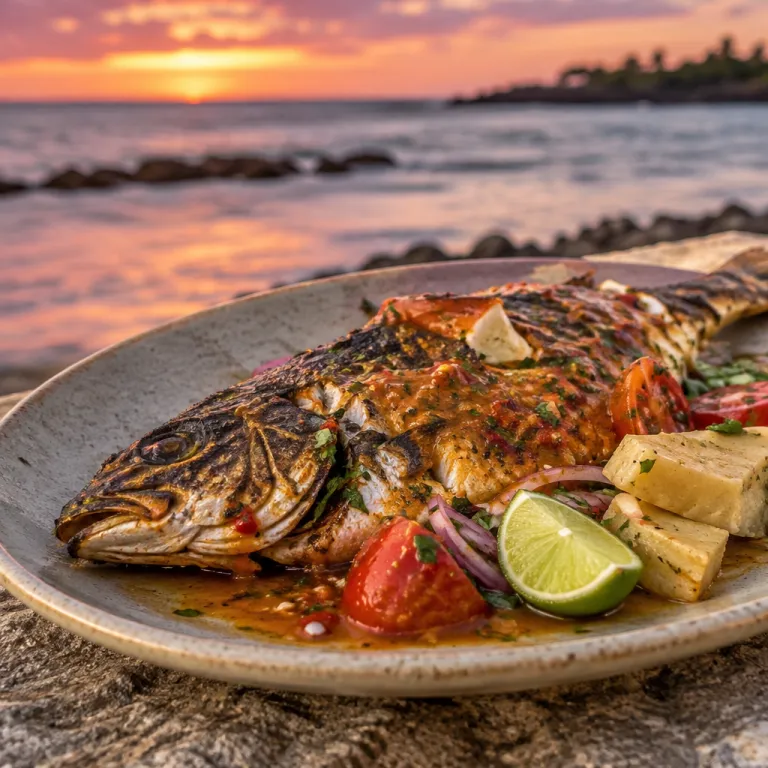
The coastal DNA behind kenya coast swahili dining watamu
On the Kenya coast, Swahili dining is not a trend; it is a centuries-deep conversation between traders, tides and cooks. Along Watamu Beach and the lanes of Lamu Old Town, Indian, Arab and Portuguese influences fold into everyday coastal life, creating Swahili dishes that feel both familiar and quietly radical. This is where kenya coast swahili dining watamu becomes a living archive, written in coconut milk, tamarind and the morning catch from the Indian Ocean.
Luxury travelers often know Nairobi’s brasseries and highland farm lodges, yet the coast’s cuisine tells a more tidal story that rewards unhurried couples. Local fishers and Beach Management Units (BMUs) land reef and pelagic species at first light, and these boats effectively set the menu for every serious restaurant Watamu and Lamu kitchen that cares about good food. In Watamu, for example, the Dabaso Creek BMU and landing sites around Mida Creek supply many small grills and guesthouses, while in Lamu the Shela BMU plays a similar role for beachfront cafés and dhow caterers.
Tourism operators and resorts now work closely with these actors, turning oceanfront grills, floating restaurants and open-air beach bar counters into stages for coastal Swahili cooking at its best. One Watamu chef described it simply: “If the boats stay in, we change the menu. The ocean decides.” In Watamu Kenya, you will hear cooks talk about samaki wa kupaka, whole fish bathed in coconut and spice, as casually as others mention a club sandwich. The classic explanation still helps first timers: “What is samaki wa kupaka?” “Whole fish cooked in coconut milk with Swahili spices marshalled over charcoal.” That single plate captures the region’s culinary DNA, and it appears in both humble crab shack joints and refined bar-restaurant terraces overlooking the water.
From highland farm to coastal ocean to plate
Kenya’s farm-to-table story usually starts in the highlands, where cool air and volcanic soil feed coffee, vegetables and dairy for safari kitchens. Those same travelers now arrive on the coast expecting a similar philosophy, and find that ocean-to-plate in Watamu and Lamu is just as rigorous but far more tidal. Instead of greenhouses and paddocks, the supply chain runs from Dabaso Mida landing sites and Lamu’s quays straight into Swahili dining rooms that face the beach.
If you have followed Kenya’s culinary trail from Mombasa to the Mara, you will recognise the same respect for provenance in coastal kitchens. Reading a detailed guide to Kenyan food culture, such as a street-food-to-safari-kitchen overview, helps you understand why Watamu Beach chefs talk about specific fishers the way highland chefs talk about farmers. Here, local fishers and Beach Management Units act as catch providers, while conservation and BMU authorities regulate practices so that ocean to plate does not become ocean to empty plate. Kenya’s national BMU regulations, developed with the State Department for Fisheries and partners like the Kenya Marine and Fisheries Research Institute, set rules on gear, closed seasons and landing of juvenile fish.
Questions about sustainability are not theoretical on the Kenya coast, especially around sensitive ecosystems like Mida Creek and the Dabaso Mida channels. The reality is nuanced and deserves honesty: “How sustainable are fishing practices?” “Mixed; BMUs regulate small-scale catch, but overfishing and juvenile landings remain concerns.” Community groups such as the Mida Creek Conservation and Fisheries Association work with BMUs on mangrove protection and catch monitoring, showing how local stewardship can support both food and habitat. For couples choosing a restaurant Watamu or a Lamu beach bar, asking where the fish was caught and how often the menu changes with the tides is now part of responsible luxury.
Where to eat in Watamu: from shack Dabaso to refined oceanfront tables
Watamu is compact enough to walk, yet its food scene feels surprisingly layered for a village of just over twelve thousand people. Poverty rates in Kilifi County remain high, so every thoughtful restaurant and bar restaurant that sources locally and pays fairly matters to both taste and community. Choosing where to eat becomes an act of curation, and a quiet way to support the kenya coast swahili dining watamu ecosystem you came to enjoy.
On the rustic end, a simple crab shack on stilts above Mida Creek or shack Dabaso style joint will serve grilled prawns, octopus and Swahili dishes that taste of charcoal and tide. Well-known spots such as Crab Shack Dabaso, run with community involvement, let couples arrive by boat at sunset, order from a blackboard menu that changes daily, and watch the creek darken while plates of fish, rice and coconut greens arrive in no particular hurry. These places are casual by design, yet the food often rivals more polished dining rooms because the catch has travelled only a few hundred metres from boat to grill.
Along Watamu Beach, names like Papa Remo, Tamu Beach, Remo Beach and Cocomo Beach signal clusters where a beach bar, an all-day restaurant and a small roster of rooms share the same strip of sand. Here you can move from a shaded bar restaurant for a light lunch to a candlelit table in the evening, always with the ocean in view and the sound of the reef in your ears. For a deeper sense of Kenya’s wider gastronomic story, pair a coastal stay with a reading on Kenya’s AA coffee journey from farm to export, which shows how inland terroir and coastal cuisine complete each other in one itinerary.
Italian threads in a Swahili tapestry: Watamu’s Italian cuisine and rosticceria culture
Watamu’s relationship with Italian cuisine is long standing, and it shows in the number of trattoria-style rooms and beach bars that share menus between pizza ovens and charcoal grills. Couples who plan trips around food will find that authentic Italian cooking here is less about nostalgia, and more about a dialogue between Ligurian habits and Swahili ingredients. The result is a kenya coast swahili dining watamu experience where a plate of grilled snapper might sit beside handmade gnocchi in a coconut and basil sauce.
Look for an Italian restaurant Watamu that lists both Swahili dishes and classic Italian cuisine on the same menu, without forcing a fusion narrative. A place that calls itself a rosticceria in Watamu, or a Watamu rosticceria, usually focuses on simple roasted meats, seafood and vegetables, often served at a counter that feels more like a casual bar than a formal dining room. Long-running Italian spots such as Pilipan Restaurant or Osteria Watamu show how wood-fired ovens, slow braises and relaxed service can coexist with coastal ingredients like kingfish, local basil and Kilifi limes.
When these kitchens talk about authentic Italian food, they are often referring to techniques and pacing, while the ingredients remain resolutely Kenyan and coastal. Ordering across both sides of the menu is the best way to understand how these culinary threads weave together on the Kenya coast. Share a plate of Swahili dishes such as coconut rice and samaki wa kupaka, then follow with an authentic Italian tiramisu or a lemon tart made with local citrus. In the right restaurant, this mix feels natural rather than contrived, and it turns a simple dinner into a quiet masterclass in how migration, trade and taste have shaped Watamu Kenya.
Designing a couple’s itinerary around food on the Kenya coast
For couples, the most rewarding stays on the Kenya coast start with the plate, then work backwards to the room. Begin your kenya coast swahili dining watamu itinerary by mapping the fish landing sites, markets and creek-side shacks you want to experience, then choose accommodation that lets you walk or sail between them. Luxury here is less about thread counts, more about waking to the sound of boats heading out and knowing your breakfast fish was still in the ocean an hour ago.
A thoughtful day might start with a dawn visit to a landing beach, followed by a slow breakfast at a beach bar that grills part of the morning catch while you watch. Later, join a chef’s tour that traces the route from ocean landing to market to open-air kitchen, ending with a private lunch on a dhow in the sheltered waters of Mida Creek or off Watamu Beach. These curated experiences, often arranged by tourism operators and resorts, show how local fishers, BMUs and conservation partners collaborate to keep both food quality and marine health in balance.
In the evening, choose a bar restaurant with a terrace facing the ocean, and order a progression of Swahili dishes to share rather than individual plates. Ask about the day’s best fish, the provenance of the spices and whether the shack Dabaso style crab shack down the shore is open for a late night drink. By the time you leave, kenya coast swahili dining watamu will feel less like a line on your booking confirmation, and more like the quiet rhythm that shaped every decision of your trip.
FAQ
What makes Swahili dining on the Kenya coast different from inland Kenyan cuisine?
Swahili dining on the Kenya coast leans heavily on the ocean, coconut and spice, while inland Kenyan cuisine often focuses on grains, greens and grilled meats. In Watamu and Lamu, menus revolve around the daily catch, coconut milk, tamarind and cardamom, reflecting centuries of Indian, Arab and Portuguese influence. Inland farm-to-table restaurants highlight highland vegetables and coffee, whereas kenya coast swahili dining watamu expresses a distinctly maritime identity.
How can I tell if a Watamu restaurant is sourcing seafood sustainably?
Ask the restaurant staff which Beach Management Unit or landing site their fish comes from, and how often the menu changes with the catch. Places that work closely with local fishers and Beach Management Units usually know the species, fishing method and area, and they avoid serving undersized fish. You can also look for restaurants that participate in conservation initiatives around Mida Creek and Dabaso Mida, signalling a longer term commitment to the marine ecosystem.
What Swahili dishes should couples prioritise when dining in Watamu and Lamu?
Samaki wa kupaka is essential, as it showcases whole fish cooked in coconut milk with Swahili spices over charcoal. Other key Swahili dishes include coconut rice, pilau, octopus in coconut curry and simple grilled prawns served with kachumbari salad. Ordering several smaller dishes to share at a beach bar or bar restaurant lets couples sample a wider range of flavours in one sitting.
Is Italian cuisine in Watamu worth planning a meal around?
Italian cuisine in Watamu reflects a long-standing Italian community, and many kitchens offer both authentic Italian plates and coastal Swahili dishes. A good Watamu rosticceria or Italian restaurant Watamu will treat seafood with the same respect as a classic trattoria, while using Kenyan coastal ingredients. Planning at least one dinner around this mix of authentic Italian technique and local produce adds another layer to your kenya coast swahili dining watamu experience.
How does dining support local communities on the Kenya coast?
Every meal at a locally owned restaurant, crab shack or beach bar helps sustain livelihoods in villages where poverty rates remain high. When hotels and travelers choose places that buy directly from fishers and markets, they strengthen short supply chains and keep more value on the coast. This support encourages the preservation of Swahili culinary traditions and incentivises sustainable fishing practices managed by BMUs and conservation partners.