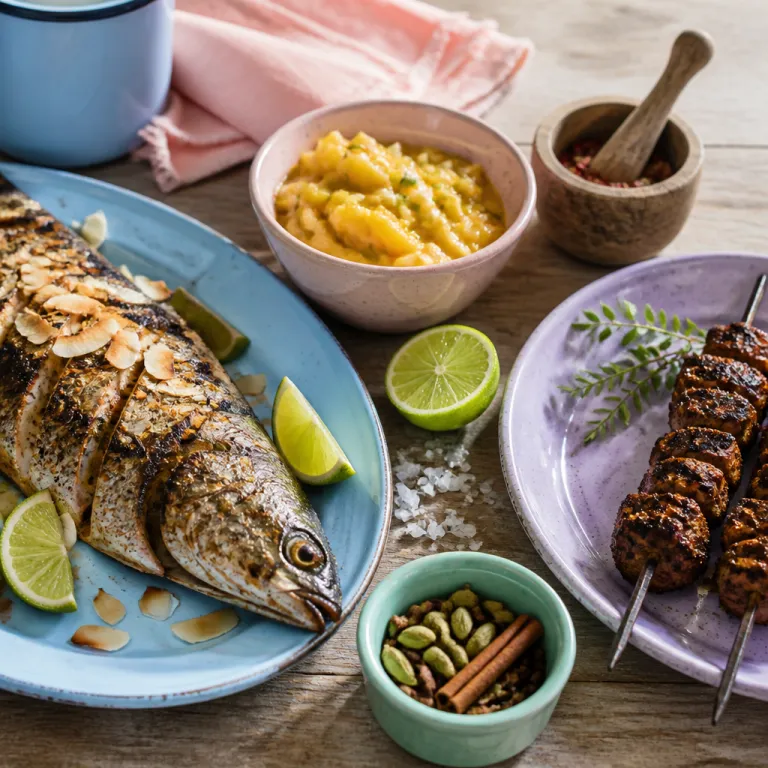
Mombasa streets and swahili spice at the start of your kenya food trail
Mombasa is where your kenya food trail begins in earnest. Along the historic lanes of Old Town, the air carries swahili spice, charcoal smoke and the soft salt of the Indian Ocean, creating an immediate sense of place for any kenya travel couple. This coastal stretch of kenya has shaped a food culture where African, Arab and Indian influences meet over open fire grills and simmering pots.
For luxury travelers, Mombasa street food is less about roughing it and more about curated street food experiences with trusted guides who understand hygiene and safety. Ask your hotel concierge to arrange private food tours that thread through trusted stalls serving maharagwe, the slow cooked spiced beans, and mishkaki, the skewers of meat grilled over open fire and brushed with chilli and lime. A well planned kenya food trail here balances authentic local flavor with the reassurance of vetted vendors and flexible timings for your day and evening.
Bhajia, those crisp slices of potato dipped in gram flour, are essential to the coastal kenya food story. Pair them with fresh coconut chutney and a chilled glass of white wine at a refined beach bar that overlooks the Indian Ocean, and you have street food elevated without losing its soul. As you visit different neighborhoods, you will notice how each local stall guards its own blend of swahili spice, turning simple kenyan food into a layered culinary experience that feels both intimate and generous.
Plan at least one guided evening walk through the Old Town streets to understand how street food shapes everyday kenyan life. Your guide will explain how centuries of Indian Ocean tourism and trade created a culinary journey that still defines the kenyan coast today. This first chapter of your kenya food trail sets the tone for a trip where every meal, from casual snacks to fine dining, becomes part of a wider cultural experience across africa.
From kenyan coast to highland farms: how altitude reshapes the plate
Leave the kenyan coast and your kenya food trail climbs steadily from sea level towards the central highlands. As the altitude rises, coconut and cardamom slowly give way to crisp vegetables, freshwater fish and the deep aroma of freshly roasted coffee, creating a new chapter in your culinary journey. This transition is where kenya shows how geography, climate and food culture are inseparable.
Many luxury lodges and country hotels near the rift valley now work directly with a nearby farm or several local farms, turning seasonal produce into refined kenyan food that still feels grounded. You might start your day with eggs from the farm table, heirloom tomatoes and hand pressed juice, then move to a lunch of grilled trout from cold highland rivers paired with a glass of South African wine. These culinary experiences are often framed as gentle farm tours or informal cooking classes, where chefs explain how altitude shapes flavor and texture.
Couples who value immersive tourism should look for properties that offer a structured cooking class focused on regional kenyan recipes. One day you might learn to prepare a slow braised goat stew over open fire, the next you might explore spice trails that link coastal swahili spice to highland herbs and greens. These hands on cooking classes turn your kenya food trail into a shared experience, giving you practical skills and stories to take home.
If you are interested in luxury experiences beyond wildlife viewing, consider pairing these highland stays with curated activities highlighted in this guide to five luxury experiences in Kenya that have nothing to do with game drives. A well designed kenya safari today can easily include vineyard visits, coffee tastings and slow lunches on a shaded terrace with a sweeping view of the rift valley escarpment. In this middle stretch of your food trail, kenya reveals itself as a country where farm table dining and refined hospitality sit comfortably beside traditional village cooking.
Nairobi’s middle ground: where kenyan food meets cosmopolitan plates
Nairobi sits literally and figuratively between the coast and the savannah, and your kenya food trail should pause here. The city’s altitude cools the air and sharpens the flavors, while its role as a regional hub brings together chefs, winemakers and artisans from across africa. For couples, this is where the kenya travel narrative shifts from laid back coast to urban energy, with a dining scene that rewards curiosity.
In leafy Karen, restaurants such as The Talisman have become shorthand for thoughtful kenyan culinary experiences. Here, a chef might pair local sukuma wiki greens with Asian technique, or serve a delicate fish curry that nods to swahili spice while using vegetables from a nearby farm. The wine list often highlights South African bottles alongside Old World labels, allowing you to match each course of your kenya food journey with a carefully chosen glass.
Beyond headline names, Nairobi’s best tables treat kenyan food as a living heritage rather than a static tradition. You might share a refined version of nyama choma, the classic grilled meat, served with slow fermented ugali and seasonal greens, or taste a dessert built around Kenyan coffee and local honey. Couples interested in deeper cultural experiences can arrange private cooking classes in residential neighborhoods, where a home cook guides you through a full cooking class from market visit to farm table style plating.
To understand how Nairobi connects to the wider highland story, explore resources on Kikuyu and Kalenjin highlands cultural encounters. These narratives show how urban food culture, rural farms and long standing heritage intersect in everyday kenyan life. Nairobi becomes the intellectual and culinary bridge of your kenya food trail, linking coastal street food memories with the bush kitchens that await in the masai mara.
Bush kitchens and star lit tables: the masai mara chapter of your food trail
By the time your kenya food trail reaches the masai mara, you have tasted the coast and the city, and now the savannah takes over. Luxury camps here operate with limited infrastructure, yet their bush kitchens routinely produce meals that rival top city restaurants, often cooked over open fire with a view of the plains. This is where kenya safari life and culinary journey merge into one long, atmospheric experience.
At well run camps, breakfast might be served on a riverbank with the Mara River as soundtrack, while lunch appears under a lone acacia with a sweeping view of grazing wildlife. Chefs design menus that respect local food culture, perhaps offering a refined take on nyama choma one evening, then a light vegetable curry that nods back to swahili spice the next. Many properties now highlight their culinary experiences as strongly as their game drives, understanding that couples remember both the lion sightings and the candlelit dinners.
For a deeper cultural experience, ask whether your camp partners with nearby Maasai communities for ingredients or shared cooking classes. Some lodges arrange gentle walks to a local farm plot, where you can see how maize, beans and greens are grown in this part of kenya, then return to camp for a cooking class that turns those ingredients into a multi course meal. This kind of kenya safari experience respects heritage while giving guests a tangible connection to the land that feeds them.
If you want a sense of how elevated these stays can be, explore this detailed look at Mara elevated adventure at a luxury tented camp. The article shows how thoughtful camps weave food, wildlife and hospitality into a single narrative that feels both intimate and expansive. In the masai mara, your kenya food trail ends not with a single grand meal, but with a series of quiet, shared moments under the stars that stay with you long after the flight home.
A ten day couple’s kenya food trail from coast to safari
Designing a ten day kenya food trail for couples means balancing movement with rest, and street food with white tablecloth dinners. Start with three nights on the kenyan coast near Mombasa, using one full day for guided street food tours and another for a relaxed beach day with a swahili spice focused tasting menu. This gives you time to adjust to kenya’s rhythm while sampling coastal kenyan food in both casual and refined settings.
From there, fly to Nairobi for three nights in a quiet, green neighborhood with easy access to the city’s best culinary experiences. Dedicate one day to a structured cooking class that includes a market visit, and another to a progressive dinner that moves from a farm table inspired restaurant to a wine bar with a strong African list. Use your final Nairobi day for a short excursion towards the rift valley, where you can enjoy lunch with a panoramic view and learn how altitude shapes kenya food and local farming practices.
The last four nights belong to the masai mara, where your kenya safari becomes the final chapter of your culinary journey. Choose a camp that highlights its food culture as clearly as its wildlife, ideally with options for bush breakfasts, open fire dinners and at least one interactive cooking class with the chef. Between game drives, you might taste a refined version of nyama choma, sip chilled wine as the sun sets over africa’s most storied plains, and reflect on how each region of kenya has added a distinct flavor to your shared experience.
For couples who want to extend this itinerary, consider adding a side trip to lake victoria or a quieter stretch of the kenyan coast to explore emerging spice trails and lakeside fish traditions. Each extra day deepens your understanding of how tourism, heritage and everyday food intersect across kenya. By the end, your kenya food trail will feel less like a checklist and more like a personal map of tastes, views and conversations that define this part of africa.
FAQ
Is street food in Mombasa safe for luxury travelers ?
Street food in Mombasa can be safe when you choose vendors carefully and rely on local expertise. Ask your hotel or lodge to recommend specific stalls or arrange guided food tours that prioritize hygiene and freshly cooked dishes. Avoid pre prepared items that sit too long in the heat, and focus on hot grilled foods such as mishkaki or freshly fried bhajia.
How many days do we need for a kenya food focused trip ?
A well balanced kenya food trail for couples usually needs at least ten days. This allows three nights on the coast, three in Nairobi and four in the masai mara, giving you time to enjoy varied culinary experiences without rushing. With more days, you can add highland farm stays or a visit to lake victoria for a deeper culinary journey.
Can we find good wine and vegetarian options on a kenya safari ?
Most luxury camps and lodges in kenya now offer thoughtful wine lists and strong vegetarian menus. You can expect South African and international wines, along with plant forward dishes that use local vegetables, grains and legumes. Inform your camp of dietary preferences before travel so the chef can design personalized meals and cooking classes if desired.
What should we look for when booking a hotel for culinary experiences ?
When booking through a premium platform, look for properties that highlight farm table dining, cooking classes and partnerships with local producers. Read detailed descriptions of culinary experiences, not just generic mentions of food, and check whether the hotel can arrange guided food tours or market visits. Prioritize places that treat kenyan food as part of cultural heritage rather than a simple amenity.
Is it easy to combine a kenya safari with coastal and city dining ?
Kenya’s internal flight network makes it straightforward to combine the kenyan coast, Nairobi and the masai mara in a single itinerary. Many couples fly from Mombasa to Nairobi, spend a few days exploring the city’s restaurants, then connect directly to a safari airstrip. Planning with a specialist booking website focused on luxury kenya travel helps align flight times, hotel check ins and key culinary experiences.