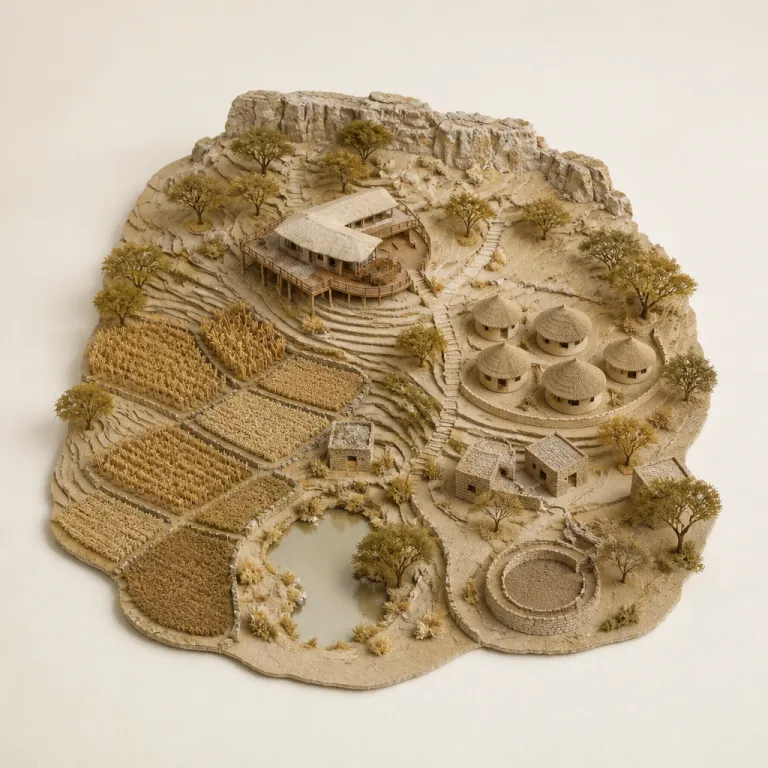
Reframing the kenya cultural safari beyond the savannah clichés
Most travelers arrive in Kenya imagining a kenya safari framed only by lions, big five checklists and the Maasai. A richer kenya cultural safari for couples starts when you trade a single, rushed tour for several slow days in the highlands, where Kikuyu farms and Kalenjin training tracks sit between national park landscapes and quiet tea fields. This is where a cultural safari becomes less about game drives and more about conversations, shared meals and the gentle rhythm of rural life.
On mykenyastay.com we treat every kenya cultural itinerary as a sequence of layered encounters, not a packaged series of safaris. A thoughtful safari Kenya journey might begin in Nairobi, then arc north toward Mount Kenya and west toward the Rift Valley, linking wildlife, national reserve stays and highland villages into one coherent experience. The result is a kenya safari that feels curated for couples who want intimacy, comfort and genuine cultural safaris rather than staged performances.
Think of the classic Maasai Mara stay as only one movement in a longer composition. Before or after your time in a tented camp near the Mara, you can spend a few days in the central highlands, where Kikuyu agricultural traditions and the sacred presence of Mount Kenya shape daily life as strongly as any national park boundary. This shift in focus turns a standard cultural safari into a kenya cultural journey that respects both wildlife and the people who have farmed, traded and negotiated these landscapes for generations.
Kikuyu highlands stays: sacred mountain, farms and storytelling
The Kikuyu are the largest ethnic group in Kenya, primarily farmers who have shaped the central highlands into a patchwork of tea, coffee and vegetable plots. A refined kenya cultural safari for couples can include a stay on a working Kikuyu farm, where your camp or lodge sits within walking distance of terraced fields rather than a fenced national reserve. Here, cultural encounters feel intimate and local, with evenings spent around the fire instead of a crowded bar.
Hosts often arrange gentle walks that replace typical game drives, following narrow paths that Kikuyu families have used for generations to reach springs, markets and churches. Along the way you hear how Mount Kenya functions as a sacred mountain in Kikuyu cosmology, anchoring both spiritual life and practical decisions about planting days and harvest rituals. Over dinner, you might taste highland vegetables cooked in traditional ways, while your guide explains how pre-colonial trade, colonial land disputes and post-independence interactions reshaped ownership of these fertile slopes.
Respect for local customs matters as much here as in any Maasai Mara camp, so couples are encouraged to learn basic greetings and ask before taking photographs. One elder in Nyeri summed up the region’s quiet resilience in a way that stays with many travelers: primarily farming and business, with education and small enterprises woven through village life. That simple idea captures how Kikuyu communities have turned agricultural skill into both subsistence and opportunity, and it gives your kenya safari a human dimension that pure wildlife safaris often miss.
Kalenjin running culture: luxury in the Rift Valley’s athletic heartland
West of the highlands, the escarpment drops into the Rift Valley, where Kalenjin communities have turned altitude and discipline into long distance running excellence. For couples designing a kenya cultural safari with mykenyastay.com, a few days near Iten or Eldoret can be as transformative as any stay in the Maasai Mara. Here, luxury is not only about thread counts per person night, but about access to training tracks, coaches and the quiet focus of athletes preparing for global marathons.
Specialist lodges and camps in this part of western Kenya offer tailored safaris of a different kind, with sunrise runs replacing early game drives and afternoon massages easing muscles rather than post safari fatigue. You can join a light training session, then sit with local coaches who explain how the phrase “renowned for long-distance running” reflects a daily routine built on diet, altitude and community support. This strand of kenya cultural experience reveals how sport, land and identity intersect in ways that most national park itineraries never touch.
Between sessions, couples can visit nearby markets, where Kalenjin farmers sell maize, milk and vegetables that fuel both families and athletes. Evenings might include storytelling about pre-colonial trade routes that once linked Kalenjin, Kikuyu and Maasai communities, echoing the cultural interactions that still shape Kenya today. For travelers who thought a kenya safari meant only wildlife safaris, these days in the Rift Valley show how cultural safaris can be just as intense, and just as romantic, as any sunset over Lake Nakuru or the Mara.
Samburu and Maasai: contrasting cultural encounters in the north and the mara
Any kenya cultural safari marketed to international travelers tends to foreground the Maasai, whose semi-nomadic pastoralism and red shúkàs have become visual shorthand for East African identity. Yet a more nuanced kenya safari itinerary pairs time in the Maasai Mara with a stay in Samburu country, where related but distinct traditions unfold in the drier landscapes of northern Kenya. This contrast helps couples understand how culture shifts with climate, cattle and access to water.
In Samburu National Reserve and the surrounding conservancies, lodges and tented camp properties often arrange visits to semi-nomadic settlements, where beadwork, cattle herding and age-set ceremonies differ subtly from those in the Mara. A well designed cultural safari here focuses on conversation rather than performance, with guides explaining how resource sharing, territorial expansion and cultural preservation have shaped relations between Samburu, Kikuyu and Maasai neighbors. For a deeper perspective on how hospitality is evolving, mykenyastay.com’s piece on Maasai hospitality beyond the standard cultural visit is essential reading before you book.
Back in the Mara, couples can choose camps that employ local Maasai guides who interpret both wildlife and social change, turning routine game drives into nuanced cultural safaris. One elder described his community’s resilience in a single line: semi-nomadic pastoralism, adapted to conservancies, tourism and changing rainfall patterns. That phrase, like the Kikuyu focus on farming and the Kalenjin dedication to running, becomes a path full of meaning in your kenya cultural journey, tracing a subtle stroke across the map from Nairobi to the highlands, the Mara and Samburu.
Designing a couples’ itinerary: from Nairobi to the highlands and beyond
For couples using mykenyastay.com to plan a kenya cultural safari, the most rewarding itineraries move in deliberate stages rather than rushing between famous names. A typical arc might begin with two or three days in Nairobi, where you adjust to the altitude, visit small galleries and meet local guides who will travel with you into the highlands. From there, you can loop through Kikuyu farm stays, Kalenjin running lodges and a carefully chosen camp in the Maasai Mara.
When comparing properties, look beyond the standard safari Kenya language of game drives and wildlife sightings, and ask how each place engages with nearby communities. Does the lodge support cultural safaris that respect privacy and consent, or does it stage visits on a rigid tour schedule that feels transactional for both travelers and hosts? Couples should also pay attention to how many person night rates include contributions to conservancies, local schools or cultural festivals, since these details show whether your kenya safari spend reinforces or undermines long term relationships.
To add another layer, consider pairing your highland and national park stays with time on the coast, where Swahili heritage offers a different kenya cultural lens. Our feature on Lamu’s layered Swahili cuisine shows how food can be as revealing as any cultural safari inland. Combined with our guide to luxury experiences in Kenya beyond game drives, these pieces help you shape a kenya cultural itinerary where every stop, from Lake Nakuru to Samburu, carries its own narrative weight.
How to choose luxury stays that respect culture and landscape
Selecting the right properties for a kenya cultural safari means reading between the lines of glossy brochures and websites. On mykenyastay.com we look for camps and lodges that treat cultural safaris with the same care they apply to wildlife safaris, from training local guides to limiting group sizes on village visits. The goal is to ensure that every kenya safari moment, whether in a national park or a highland valley, feels grounded rather than staged.
Ask specific questions before you book, especially if a property markets itself heavily on Maasai or Samburu experiences. Who owns the camp, and how are local communities involved in decisions about tour routes, visit timings and revenue sharing? Do guides receive training in conflict resolution and negotiation, echoing the councils that once managed pre-colonial trade and territorial disputes between Kikuyu, Kalenjin and Maasai neighbors?
Even technical details in lodge design can signal respect, from the way paths follow existing foot trails to how lighting choices preserve dark skies over the Mara and Lake Nakuru. Think of each decision as a careful stroke in a larger composition, where the way you move, pause and look is less about graphics and more about how lightly a property treads on the land. When those choices align with thoughtful programming, your kenya cultural safari becomes a quiet collaboration between travelers, hosts and the landscapes that hold them.
FAQ: planning a highlands focused kenya cultural safari
How many days should couples spend in the highlands versus the mara ?
For a balanced kenya cultural safari, many couples find that four to five days in the Kikuyu and Kalenjin highlands, followed by three to four days in the Maasai Mara, works well. This split allows time for farm walks, storytelling evenings and a visit to a running camp, without sacrificing classic wildlife safaris in a national reserve. Shorter stays are possible, but the cultural depth improves noticeably once you slow the pace.
Can we combine running in Iten with a traditional kenya safari ?
Yes, several lodges near Iten and Eldoret design programs where light training sessions fit around transfers to Lake Nakuru, the Mara or Samburu National Reserve. Couples often spend three days at a running focused camp, then fly or drive to a tented camp for game drives and wildlife viewing. This combination turns a standard kenya safari into a broader kenya cultural journey that connects sport, landscape and community.
Are cultural visits in Kikuyu and Samburu areas respectful of local communities ?
Respect depends on how each camp or lodge structures its cultural safaris and village visits. Properties that work closely with local elders, limit group sizes and schedule visits around community priorities tend to create more meaningful experiences for both travelers and hosts. When in doubt, ask how decisions are made and whether community members benefit directly from each tour.
Is Nairobi a necessary stop on a kenya cultural itinerary for couples ?
Nairobi is not mandatory, but it often enriches a kenya cultural safari by providing context before you head into the highlands or the Mara. A short stay lets you meet guides, visit small museums and understand how urban migration is reshaping Kikuyu, Kalenjin and Maasai identities. For many couples, those first conversations in the city frame everything that follows in the national park and rural landscapes.
What should we keep in mind when interacting with local communities ?
Simple guidelines go a long way toward keeping your kenya cultural safari respectful and rewarding. Listen more than you speak, ask before taking photographs and follow your guide’s advice on greetings, dress and gifts. These small gestures help ensure that your presence supports cultural preservation rather than turning daily life into a performance for travelers.