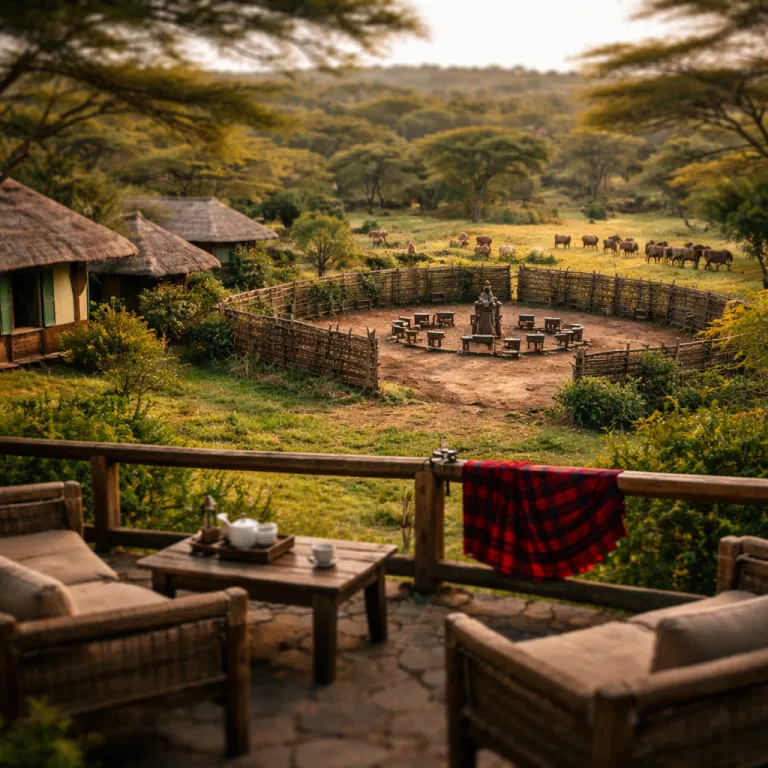
Rethinking the classic Maasai cultural safari in Kenya
Most luxury travellers arrive in Kenya expecting a neat Maasai cultural safari Kenya add on. The script is familiar on many Kenya safaris: a scheduled stop at a Maasai village, a short tour, some traditional dancing, a few photos, then a walk through beadwork laid out on blankets. For many guests, that one hour feels more like a transaction than a cultural experience, and the awkwardness lingers long after the safari vehicle pulls away.
Across East Africa, the contrast between this staged village format and life in a real Maasai village is stark. In the Maasai Mara and the wider Mara conservancies, you now find camps where Maasai hosts are landowners, guides and decision makers, and where culture is not a performance but the context of daily work. These are the places where a Maasai cultural conversation can replace the standard cultural safari and where a Kenya safari becomes a shared hospitality project rather than a one way tour.
Tourism already contributes a significant share to Kenya’s economy, and high end safaris Kenya are a major part of that story. According to the Kenya National Bureau of Statistics and Ministry of Tourism reports, travel and hospitality regularly account for more than 8–10% of national GDP and hundreds of thousands of jobs, with recent Economic Survey editions and Tourism Sector Performance Reports providing the underlying figures. When you choose safari lodges that sit on community owned land in the Maasai Mara or near Amboseli, your stay can support schools, clinics and grazing rights instead of just funding a one off village visit. The best time to think about this is not on the last day of your trip, but when you are still comparing tours and planning which national reserve or conservancy to prioritise.
From staged village visits to shared conservancy life
The structural difference between a staged cultural visit and a conservancy partnership is simple. In the first model, the Maasai community appears as a stop on your tour days, while in the second, they are co owners of the land, the wildlife and the hospitality experience. That shift changes everything about how culture, ceremony and daily life intersect with your Kenya cultural expectations.
Take Cottar’s 1920s Camp on the edge of the Maasai Mara National Reserve, where the Olderkesi Conservancy is co managed with Maasai landowners who hold title to the ground beneath your tent. Here, your Mara safari guide may also be a shareholder in the land lease, and the conversation about wildlife or wildebeest migration patterns naturally folds into talk of grazing, education and family responsibilities. As one Olderkesi committee member explained in a conservancy meeting summary, “When wildlife pays the rent, we can plan for our children, not just for the next dry season.” The Maasai cultural dimension is not a scheduled show but the lens through which every game drive, bush walk and campfire story is framed.
In the Olare Motorogi Conservancy, Mahali Mzuri operates under a partnership with the Maasai community that ties conservation fees directly to household income. Publicly available conservancy reports describe models where a nightly conservation fee is split between land leases, ranger salaries and community projects such as bursaries or health outreach, with annual financial statements outlining the percentages. Guests who visit this part of the Maasai Mara often comment that the best wildlife viewing comes with an equally rich cultural experience, because the same people who track lions also negotiate grazing corridors and tourism rules. When you book Kenya safaris in such conservancies, your day on safari supports a long term agreement rather than a one off payment for a village dance.
Camps where Maasai hosts shape the guest experience
Some properties in Kenya have moved far beyond the idea of Maasai staff as colourful extras in a marketing brochure. In Naboisho Conservancy, more than 500 Maasai landowners receive direct rent from tourism under a formal lease system documented by the Mara Conservancy and partner NGOs, and safari lodges here often employ guides whose families graze cattle just beyond the camp boundary. When a guide reads the grass like a newspaper on your Kenya safari, they are reading both wildlife signs and the subtle messages that matter for their own herds.
Further south in the Chyulu Hills, Campi ya Kanzi sits on Maasai owned land where conservation fees fund schools and clinics for the surrounding community, a model highlighted in reports by organisations such as the African Wildlife Foundation and the Maasai Wilderness Conservation Trust. Guests who stay several days here often say the most memorable cultural experience is not a formal tour but a slow afternoon conversation with a Maasai elder under an acacia tree. The talk may move from traditional rites to modern Kenya Tanzania cross border grazing politics, and from lion behaviour to the best time for moving cattle between water points. As one elder told a visiting researcher in a community report, “The hills teach us, and now the guests listen with us.”
Even on the coast, where Diani Beach feels far from the Maasai Mara, you can choose safari lodges and hotels that maintain real links with upcountry communities. Some properties invite Maasai artisans to stay on site as resident designers rather than day visitors selling curios in a village style market. When you use a curated booking platform to compare these tours and stays, look for clear explanations of how conservation fees, cultural programs and staff training are structured, rather than vague promises of authentic safaris Kenya wide.
How to have a respectful Maasai hospitality conversation
For solo travellers, the most meaningful Maasai cultural moments rarely happen on a scheduled tour. They tend to unfold after a long day on safari, when the vehicle is parked, the lanterns are lit and you are sharing tea with a guide or camp manager who grew up in a nearby village. To reach that point, you need to choose properties that allow time and space for conversation rather than rushing you from game drive to dinner.
When a camp offers a visit to a Maasai village, ask how the community has shaped the format and how the fees are shared among households. A respectful cultural safari should feel like a two way exchange, where you are invited to ask about language, education, gender roles and modern challenges, not just to watch traditional dancing and take photos. Avoid bringing sweets or random gifts for children, and instead let your conservation levy, camp purchases and any structured community fund be your main economic contribution.
Good questions open doors during these cultural experiences, whether you are in the Maasai Mara, near Amboseli or in a smaller national reserve. You might ask how climate change is affecting grazing, what the best time is for different ceremonies, or how young people balance school with herding. As one young guide in Naboisho put it during a guest discussion, “When you ask about our future, not only our costumes, you show respect.” If you are using a digital booking tool, guides such as elegant ways to use a luxury hotel booking app in Kenya can help you filter for tours and safaris Kenya wide that prioritise these deeper conversations.
The economics behind authentic cultural safaris in Kenya
Behind every Kenya safari brochure image of a Maasai warrior against a Mara sunset lies a set of contracts, leases and conservation fees. When those agreements are transparent and fair, as in Naboisho or the Nashulai Maasai Conservancy led by community figures such as co founder Nelson Ole Reiyia, tourism becomes a serious livelihood rather than a side show. Independent evaluations by NGOs and Kenyan tourism authorities increasingly frame community based tourism as a core economic strategy, not a niche add on for a few tours, with county integrated development plans and conservancy audits providing the evidence base.
At the Hospitality Innovation Summit in Nairobi, industry leaders have been debating how to merge tradition with technology without losing the human core of hospitality. One session captured the shift neatly when a panellist summarised that AI can enhance guest experiences and operational efficiency while community based tourism ensures that benefits reach local households, and that cultural authenticity preserves heritage and offers genuine experiences. For travellers planning Maasai cultural safari Kenya itineraries, the message is clear: the most advanced booking tools should still point you toward places where Maasai voices shape both the guest journey and the business model.
Economically, the best wildlife conservancies in East Africa are those where lease payments, conservation fees and employment all flow back to local households. A typical fee breakdown in a well structured conservancy might allocate a nightly conservation charge into roughly half for land leases, a substantial share for rangers and habitat management, and the remainder for education or health projects, with exact percentages published in annual reports and financial statements. When you stay several days in a camp that explains its fee structure clearly, your day rate supports rangers, guides, teachers and clinic staff as well as lions and wildebeest migration corridors. That is a more honest form of cultural experience than any quick village tour, and it is where the future of safaris Kenya wide is quietly being written.
Where progress stalls: language, gender and the unseen dynamics
Even in the most progressive Mara conservancies, the cultural story told to guests is often edited. English speaking male guides usually become the default narrators of Maasai culture, while women, elders and young people appear mainly in traditional dance lines or craft markets. The result is that many Kenya cultural narratives on safari remain partial, even when the economics are fairer than in the past.
Language is one barrier, because nuanced conversations about land rights, education or faith shifts require time and translation that many short tours cannot provide. Gender is another, as decision making in some Maasai communities still rests largely with older men, even when women’s groups are driving beadwork enterprises and school attendance. As one women’s group leader in a Mara conservancy workshop noted, “Tourists see our necklaces before they see our ideas.” As a guest, you can gently ask whether there are opportunities to hear from women or youth, perhaps during a longer stay of several days rather than a single day visit.
There are also limits to what any cultural safari can show you about the tensions between tourism, wildlife and pastoral life. A Kenya Tanzania cross border herder may see the same lion you photograph on a Mara safari as both a sacred animal and a threat to cattle, and that duality rarely fits into a neat tour script. The best time to engage with these complexities is when you have already built some rapport with your hosts, and when you are willing to let the conversation move beyond the postcard version of Africa that first drew you to the Maasai Mara.
FAQ
How can I choose a camp that supports authentic Maasai partnerships ?
Look for safari lodges in conservancies where Maasai landowners receive direct lease payments and hold decision making roles. Properties in Naboisho, Olare Motorogi, Nashulai or the Chyulu Hills often publish clear information about conservation fees and community benefits in partnership with NGOs or county government tourism offices. Ask your tour operator how your Kenya safari rate is split between park fees, camp operations and local households.
Is a traditional Maasai village visit still worth including in my itinerary ?
A visit to a Maasai village can be meaningful if it is community designed, transparently priced and framed as a conversation rather than a show. Before you go, ask who set the format, how many households benefit and whether photography rules are agreed in advance. If the answers feel vague, you may gain more by spending extra days in a conservancy where culture is woven into daily life.
What is the best time of year for a Maasai Mara cultural and wildlife trip ?
The best time for combining wildlife and cultural experiences in the Maasai Mara depends on your priorities. Peak wildebeest migration months bring dramatic sightings but also more vehicles and tighter schedules, which can limit long conversations in camp. Shoulder seasons often offer quieter camps, flexible tour days and more space for in depth cultural experience alongside excellent wildlife viewing.
How do conservation fees actually help Maasai communities ?
In well structured conservancies, conservation fees and lease payments fund household income, schooling, healthcare and ranger salaries. Examples include Campi ya Kanzi in the Chyulu Hills, where guest revenue supports schools and clinics, and Naboisho, where hundreds of landowners receive regular rent documented in conservancy and NGO reports. When booking safaris Kenya wide, prioritise operators who can explain these mechanisms clearly rather than relying on generic community support claims.
Can technology improve, rather than dilute, Maasai cultural hospitality ?
Used well, technology can make it easier for travellers to find Kenya safaris that respect Maasai culture and land rights. Digital booking platforms can highlight community based tourism models, transparent fee structures and longer stay itineraries that favour real interaction over rushed tours. The key is to treat AI and apps as tools for better choices, not as replacements for the human conversations that define a meaningful Maasai cultural safari Kenya journey.