Lewa Wilderness in context: where luxury meets conservation
Lewa Wilderness sits on the eastern edge of Laikipia, within the Lewa Wildlife Conservancy in northern Kenya. This privately protected conservancy spans about 62 000 acres and anchors a wider wilderness that links Mount Kenya to the arid plains of northern Africa. Guests who travel here enter a landscape where a working ranch, a pioneering conservancy, and a family run safari lodge operate in careful balance.
The Lewa conservancy model is globally recognised because it protects around 14 percent of Kenya’s black rhino population while supporting neighbouring communities with education, healthcare, and livelihoods. When you book Lewa Wilderness as your safari lodge, you are not only choosing a refined place to stay, you are also directly funding anti poaching patrols, wildlife monitoring, and the Lewa Milele land protection campaign. This is why Lewa lodges, including Lewa Wilderness and Lewa House, attract travellers who want a wilderness safari that feels both luxurious and meaningful.
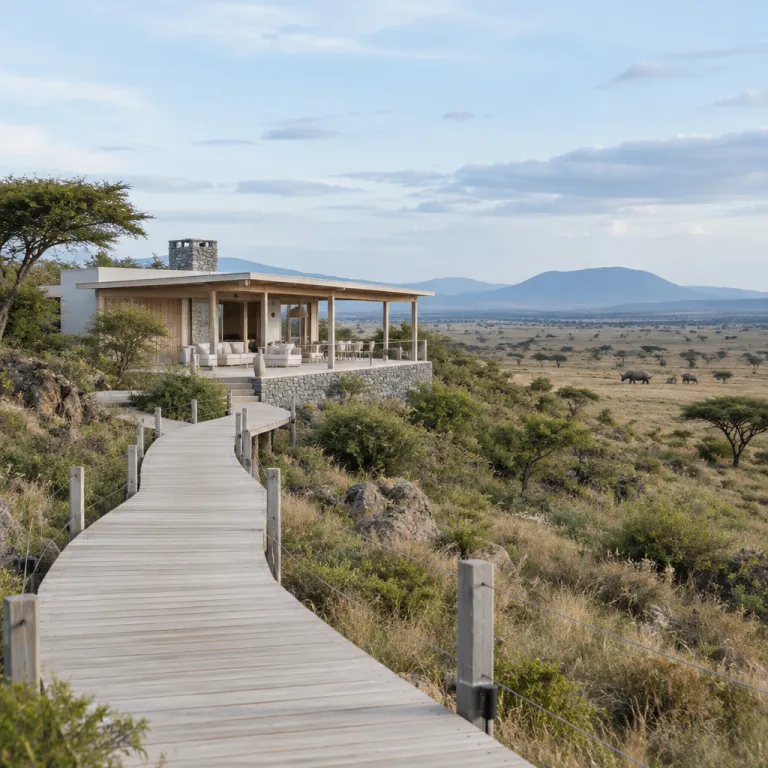
Located near the foothills of Mount Kenya, the lodge offers wide open views across the conservancy lewa plains, with the snow capped peak often visible on a clear day. From your cottage or house style suite, you can watch wildlife move across the valley and still be close to the airstrip for easy travel connections from Nairobi or the Masai Mara. For many guests from the United States and Europe, this combination of seamless access, intimate scale, and serious conservation impact helps create unforgettable journeys in Africa.
Staying at Lewa Wilderness: rooms, house options, and safari rhythm
Accommodation at Lewa Wilderness is arranged around stone and thatch cottages, plus a larger private house that suits families or small groups. Each cottage and house has a veranda or terrace that frames a sweeping view over the Lewa conservancy, so you can watch wildlife at first light or relax after a long day on safari. Interiors use natural materials and local textiles, keeping you connected to the surrounding wilderness while still offering premium comforts.
The daily rhythm at this safari camp style lodge usually starts before sunrise, when the air is cool and wildlife is most active. After coffee or tea, you head out on a Lewa safari game drive with experienced guides who know the conservancy lewa tracks intimately and understand how to position the vehicle for the best view without disturbing the animals. Midday is for rest, a swim, or quiet time to read on your veranda, before an afternoon drive that often ends with sundowners on a ridge.
Families planning a Kenya safari during school breaks often find Lewa Wilderness ideal because the team can tailor activities and flexible mealtimes for younger travellers. If you are considering a quieter period for family safaris, resources such as this guide to a half term safari window in Kenya can help you choose dates that avoid peak crowds. Whether you stay in the main lodge cottages, the private house, or combine Lewa Wilderness with other lodges camps in Laikipia, you benefit from a structure that respects wildlife while still feeling relaxed and unhurried.
Safari activities at Lewa: beyond the classic game drive
Game drives remain the backbone of any Lewa safari, but Lewa Wilderness is known for offering a wider range of activities than many lodges in Kenya. Morning and afternoon drives across the conservancy lewa grasslands and acacia woodlands bring you close to black and white rhino, Grevy’s zebra, lion, and a remarkable diversity of African wildlife. With around 490 bird species recorded in the conservancy, birding focused safaris can be arranged for guests who want to slow down and really read the landscape.
One of the signature experiences at this lodge is horseback or camel riding, which allows you to move quietly through the wilderness and approach wildlife at eye level. Scenic flights in a small aircraft or helicopter can also be arranged, giving you a dramatic aerial view of the Lewa conservancy, the Laikipia plateau, and the distant outline of the Ngorongoro Crater region across the wider East Africa safari circuit. These activities help create unforgettable memories because they show how Lewa links physically and conceptually to other protected areas across Africa.
Many travellers pair a stay at Lewa Wilderness with time in Meru or the Masai Mara to experience different ecosystems and styles of safari camp. For example, this in depth look at Meru’s solitude and its camps illustrates how contrasting parks can complement a Lewa based itinerary. Whether you are riding, walking, flying, or driving, the key is to balance active days with quieter hours at the lodge so that the wilderness lewa atmosphere has time to sink in.
Comparing Lewa Wilderness, Kifaru House, and Lewa House
Within the Lewa conservancy, travellers can choose between several lodges camps, each with a distinct character and layout. Lewa Wilderness offers a classic safari lodge feel with a mix of cottages and a family friendly house, plus a strong emphasis on varied activities such as horseback safaris and scenic flights. Kifaru House, sometimes referred to as Elewana Kifaru, is a more exclusive house style property with fewer rooms and a heightened sense of seclusion.
Guests who prefer the intimacy of a private house often gravitate toward Kifaru House or the dedicated house at Lewa Wilderness, while those who enjoy a slightly busier social atmosphere may choose the main lodge. Lewa House, another of the Lewa lodges, sits on a hill with a panoramic view and offers a blend of individual cottages and an open plan main house that encourages communal dining. All three options share access to the same wildlife rich conservancy lewa terrain, so your choice is more about style, scale, and the type of safari experience you want each day.
When comparing these lodges, consider how you like to travel and how you want to structure your time in Kenya. If you value a wide menu of activities and a long established family run atmosphere, Lewa Wilderness stands out as a natural base. If you prefer a quieter, house party feel with fewer guests, Kifaru House or Elewana Kifaru may suit you better, while Lewa House offers a middle ground with strong guiding and a superb view over the African wildlife filled plains.
Designing a wider Kenya safari around Lewa Wilderness
Lewa Wilderness works best when it forms part of a broader Kenya safari that links different conservancies and national reserves. Many itineraries start or end in Nairobi, where you can spend a city day exploring galleries, studios, and design focused hotels using resources such as this guide to Nairobi’s art and design scene. From there, short flights connect you to Laikipia, the Masai Mara, and even onward to Tanzania for the Ngorongoro Crater and Serengeti.
A typical route might combine three or four nights at Lewa Wilderness with time in the Masai Mara, where open grasslands and river systems offer a different style of wilderness safari. Some travellers then extend south to the Ngorongoro Crater area to complete a classic East Africa circuit that showcases varied habitats and African wildlife densities. This multi stop approach allows you to compare how different conservancies and national parks manage tourism, conservation, and community partnerships.
For guests arriving from the United States or other long haul markets, building in at least one slower day at each lodge helps reduce travel fatigue. Use those quieter days to read about the history of Lewa, talk with guides about anti poaching work, or simply sit on your veranda and watch wildlife move across the plains. By pacing your trip thoughtfully, you allow each lodge, each camp, and each conservancy to create unforgettable layers of experience rather than a rushed checklist of safaris.
Booking Lewa Wilderness with confidence: practical tips and ethics
When you book Lewa Wilderness through a specialist in Kenya travel, you gain access to up to date information on wildlife movements, seasonal patterns, and lodge availability. Reputable agents understand how Lewa fits within the wider Laikipia and northern Kenya safari landscape, and they can advise whether to pair it with Lewa House, Kifaru House, or other lodges camps in the region. They also help coordinate flights, transfers, and any special activities you want to secure in advance.
Ethical considerations matter here because Lewa is not just a wilderness safari destination, it is also a living conservancy that funds schools, clinics, and livelihoods for neighbouring communities. As the Lewa Wildlife Conservancy explains, “Lewa hosts ~14% of Kenya’s black rhino population” and “Lewa is a UNESCO World Heritage Site”. Choosing a lodge such as Lewa Wilderness or another Lewa lodge means your stay contributes directly to anti poaching patrols, habitat protection, and community based programmes.
Before you visit, take time to read about the Lewa Milele campaign, the history of the conservancy, and the role of partners such as the Kenya Wildlife Service and local communities. Ask your lodge or safari camp how your nightly rate is allocated between operations, conservation, and community projects, and request opportunities to see some of this work during your stay. Approached this way, a trip to Lewa Wilderness becomes more than a holiday in Africa, it becomes part of a long term effort to protect wildlife and create unforgettable benefits for people who share this landscape.
Key figures and conservation impact at Lewa Wilderness
- Lewa Wildlife Conservancy protects about 62 000 acres of wilderness in northern Kenya, creating a crucial buffer between Mount Kenya and the drier lowlands to the north.
- Around 14 percent of Kenya’s black rhino population lives within the Lewa conservancy, making every stay at Lewa Wilderness or neighbouring lodges a direct contribution to rhino security and monitoring.
- Approximately 490 bird species have been recorded on Lewa, which means bird focused safaris from the lodge can reveal an exceptional diversity of African wildlife beyond the headline mammals.
- Lewa was inscribed as part of a UNESCO World Heritage Site in the early twenty first century, recognising its combined value for wildlife conservation, cultural heritage, and community development.
- Anti poaching operations at Lewa use a mix of ranger patrols, surveillance technology, and community intelligence, funded significantly by ecotourism revenue from Lewa Wilderness and other Lewa lodges.
FAQ about Lewa Wilderness and Lewa Wildlife Conservancy
How many rhinos are protected at Lewa Wildlife Conservancy ?
Lewa hosts ~14% of Kenya’s black rhino population, which makes it one of the most important strongholds for this endangered species in Africa. Guests at Lewa Wilderness and other Lewa lodges help fund the security, monitoring, and habitat management that keep these rhinos safe. This concentration of rhino also means excellent viewing opportunities on game drives, always managed with strict ethical guidelines.
Is Lewa Wildlife Conservancy recognised by UNESCO ?
Yes, Lewa Wildlife Conservancy is part of a UNESCO World Heritage Site, reflecting its global significance for wildlife conservation and cultural landscapes. This status underscores why careful tourism management at Lewa Wilderness and neighbouring lodges is so important. When you visit, you are entering a protected area held to rigorous international standards.
What types of safari experiences are available from Lewa Wilderness ?
Guests at Lewa Wilderness can join vehicle based game drives, horseback safaris, camel rides, and scenic flights over the conservancy. Walking activities and cultural visits to nearby communities can also be arranged, offering a broader understanding of how people and wildlife coexist. This variety allows you to tailor each day’s activities to your interests and energy levels.
When is the best time of day for wildlife viewing at Lewa ?
Early morning and late afternoon are generally the best times for wildlife viewing at Lewa, when temperatures are cooler and animals are more active. Lewa Wilderness structures its safari schedule around these windows, with midday reserved for rest or lighter activities. This pattern maximises sightings while keeping both guests and wildlife comfortable.
How does staying at Lewa Wilderness support local communities ?
Revenue from Lewa Wilderness and other lodges camps in the conservancy helps fund schools, healthcare facilities, and livelihood projects for neighbouring communities. The conservancy’s model links tourism income directly to tangible benefits, which in turn builds local support for wildlife protection. By choosing to stay here, you contribute to a cycle that strengthens both conservation outcomes and community wellbeing.
References and further reading
- Lewa Wildlife Conservancy official publications and conservation reports
- Kenya Wildlife Service information on protected areas and species
- UNESCO World Heritage Centre documentation on Mount Kenya and Lewa