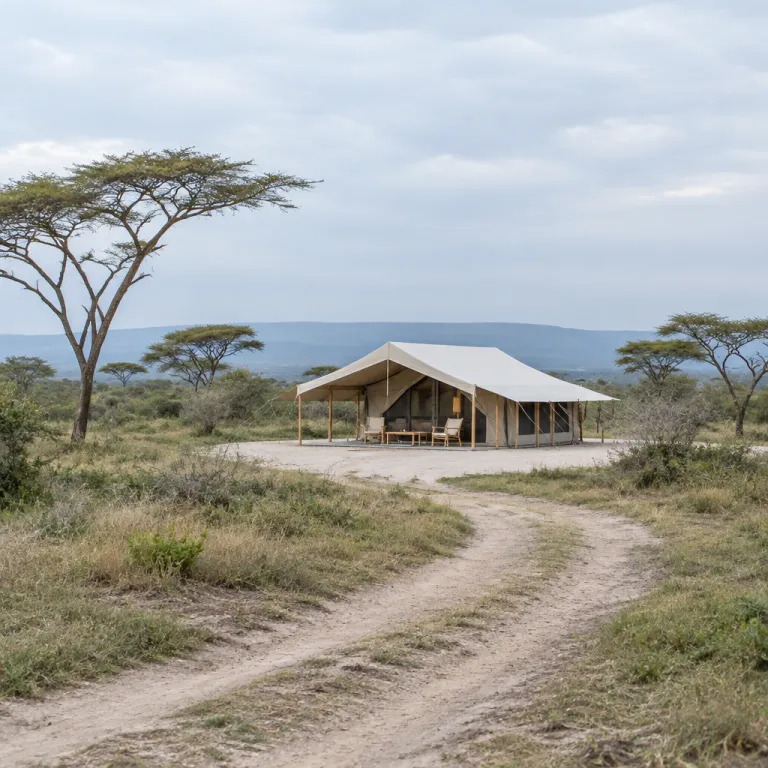
Meru national park luxury camp: why this quiet corner of Kenya matters
Meru national park sits in a forgotten corner of Kenya, yet it holds the kind of space seasoned safari travellers quietly chase. This is the landscape where George Adamson and Joy Adamson raised Elsa the lioness, and where the story of Born Free turned a little known park into one of East Africa’s most mythic places. For a traveller choosing a meru national park luxury camp today, that history still shapes every game drive, every river crossing, every silent dusk.
The park itself feels different from the Masai Mara or the open plains near Mount Kenya, with doum palms lining each river and volcanic outcrops rising like a broken crater above the red earth. Several rivers cut through the national park, bringing permanent water and a lusher feel that draws wildlife and birds in numbers that reward patient eyes rather than checklist safaris. When you stay in a carefully run safari camp here, you are buying into that slower rhythm, where a single herd of elephants at the river can be the best sighting of the day.
Meru’s conservation story is as compelling as its scenery, because this national landscape almost slipped away after waves of poaching emptied the park of its famous wildlife. The Kenya Wildlife Service, the Born Free Foundation and private partners rebuilt infrastructure, restored the rhino sanctuary and supported eco friendly camps so that safaris could again fund protection. Choosing a meru national park luxury camp is therefore not only about safari luxury, but about joining a long running effort to return park Meru to its place among Africa’s strongholds.
Born Free, Elsa’s legacy and the character of the landscape
To understand why a meru national park luxury camp feels so charged, you need to stand near the old Adamson campsite and look across the river where Elsa once hunted. The answer to the question “Why is Meru famous?” is simple and still resonant : Birthplace of Elsa the lioness and setting for book and film Born Free. That single line explains why park Elsa, park Meru and the wider Meru national conservation area remain shorthand for a certain kind of Kenya safari in the minds of wildlife lovers.
Today, Elewana Elsa’s Kopje lodge, often shortened to Elsa Kopje, sits on a rocky kopje Meru above the plains, close to the sites where George Adamson and Joy Adamson worked with Elsa the lioness. From this kopje, guests look down over the national park’s rivers, the rhino sanctuary and the mosaic of grassland and bush that defines this corner of East Africa. Staying at such a safari camp is less about a flashy swimming pool and more about inhabiting the same views that shaped the Born Free story, with game drives tracing the routes where lions now roam again.
The lion population in Meru park has climbed back to around 60 individuals, protected by monitoring programmes and anti poaching patrols that make every safari feel part of a living conservation project. Within the 84 square kilometres of the rhino sanctuary, black and white rhinos move through thick bush, reminding guests that this is still one of Kenya’s most important strongholds for these species. If you are planning peak season safaris or looking at December camps that sell out early, it is worth reading guidance on booking Kenya for the holidays before you lock in your preferred meru national stay.
What a meru national park luxury camp really offers
Luxury in Meru does not shout, it whispers from canvas, stone and river light, and a meru national park luxury camp leans into that understatement. You might arrive expecting the same safari luxury you saw in the Masai Mara, only to find something quieter and more elemental, where a shaded swimming pool carved into rock feels like a secret rather than a showpiece. The best camps here use their pools, decks and open lounges to frame the park, not to compete with it.
Properties such as Elewana Elsa’s Kopje, the intimate river camp options along the main waterways and carefully run safari camp sites near the rhino sanctuary all share a similar philosophy. They offer spacious tents or stone cottages, attentive yet relaxed service and game drives led by expert guides who know every bend of the river and every granite kopje Meru has to offer. Nights might bring an outdoor cinema screening of Born Free under the stars, a reminder that this is not just another national park but the stage for a story that changed how many people see Africa.
For travellers who have already ticked off a luxury safari in the Masai Mara, Meru national feels like a deliberate second chapter rather than a repeat. You trade dense predator sightings for a more atmospheric experience, where an ikweta safari style walk near the river or a slow drive past black and white rhinos can be the highlight. If you are building a broader Kenya itinerary that includes the Chyulu Hills or Laikipia, it is worth comparing Meru’s understated camps with an elevated safari lodge experience such as Ol Donyo in the Chyulu Hills to understand how different regions express safari luxury.
Planning your stay: routes, seasons and pairing Meru with other parks
Reaching a meru national park luxury camp usually starts in Nairobi, with either a scheduled flight to a nearby airstrip or a long but scenic drive through central Kenya. Many travellers pair Meru with Mount Kenya or Laikipia, creating a route that moves from highland ranches to lowland river systems and finally to the coast or back to the Masai Mara. This kind of itinerary suits independent travellers who value varied landscapes and want their safaris to feel like a narrative rather than a single park snapshot.
The best seasons for Meru safaris tend to be the drier months, when water sources shrink and wildlife concentrates along the main rivers and in the rhino sanctuary. During these periods, game drives from your safari camp can cover both open plains and thicker bush, giving you a realistic sense of how wildlife uses the national park’s 4 000 square kilometres of protected land. Outside the peak dry months, the park becomes greener and more atmospheric, with fewer vehicles and a sense of solitude that many guests consider the best luxury of all.
When planning, think about how Meru fits alongside other East Africa highlights, because this park complements rather than competes with the Masai Mara or the Serengeti. A classic route might start with a few nights near Mount Kenya, continue to a meru national park luxury camp for the Born Free heritage and finish with a coastal stay or a return to Nairobi for an art and design focused city day. If you enjoy thoughtful urban interludes between safaris, the guide to Nairobi’s art and design hotels and galleries can help you choose a stay that matches Meru’s understated elegance.
How Meru’s camps support conservation and why that matters when you book
Choosing a meru national park luxury camp is also a decision about what kind of conservation you want your money to support. The Meru conservation area covers around 4 000 square kilometres, including the core national park, neighbouring reserves and the 84 square kilometre rhino sanctuary that shelters both black and white rhinos. Within this landscape, eco friendly camps, Kenya Wildlife Service rangers and partners such as the Born Free Foundation work together to keep wildlife and communities in balance.
Methods on the ground range from lion monitoring and collaring to anti poaching patrols that remove snares and secure key water points along the river systems. Community education programmes explain why safeguarding lions, elephants and rhinos benefits local livelihoods, while carefully managed safaris bring in revenue that justifies the park’s continued protection. When you stay at a safari camp like Elsa Kopje or a smaller river camp, your nightly rate helps fund these efforts, turning each game drive into a small but tangible act of support.
For travellers, this means that a meru national park luxury camp stay carries a different emotional weight than a quick big five dash in a busier park. You are stepping into a landscape that nearly lost its wildlife and is now quietly reclaiming its place among Africa’s great national parks, guided by expert teams who know the story intimately. That sense of shared responsibility, combined with the solitude of Meru’s plains and rivers, is what makes this corner of Kenya feel like the best kept secret in East Africa for those who have already done the headline safaris.
FAQ
Why is Meru national park considered special for a luxury safari
Meru national park is special because it combines deep Born Free heritage with a genuinely uncrowded safari experience. The landscape of rivers, doum palms and rocky kopjes feels wilder and more intimate than many better known parks in Kenya. For luxury travellers, the small number of camps means more space, quieter game drives and a stronger sense of connection to the park.
How many lions are currently in Meru national park
Current monitoring suggests that Meru holds around 60 to 80 lions, a significant recovery from the lows reached during heavy poaching decades ago. These lions are tracked and studied through dedicated monitoring programmes supported by conservation partners. Guests at Meru camps often learn about this work during drives and evening talks, adding context to each sighting.
What is Elsa’s Kopje and how does it relate to Born Free
Elsa’s Kopje is a luxury lodge built into a rocky outcrop inside Meru national park, close to the sites where George and Joy Adamson lived and worked with Elsa the lioness. The lodge honours the Born Free story through its location, design and occasional outdoor screenings of the film. Staying there allows guests to look out over the same plains and rivers that shaped Elsa’s life and the park’s global reputation.
Is wildlife viewing in Meru as good as in the Masai Mara
Wildlife viewing in Meru is rewarding but different from the Masai Mara, with lower animal densities but far fewer vehicles. You may not see as many big cats in a single day, yet the sightings you do have often feel more private and atmospheric. Meru suits travellers who value solitude, varied landscapes and a strong conservation story over a fast paced checklist.
How does staying in Meru support conservation efforts
Staying in a meru national park luxury camp directly supports conservation through park fees, conservation levies and employment for local communities. These funds help maintain anti poaching patrols, lion monitoring, rhino protection and community outreach programmes. By choosing camps with clear conservation commitments, guests ensure their safari spending contributes to the long term health of the park.