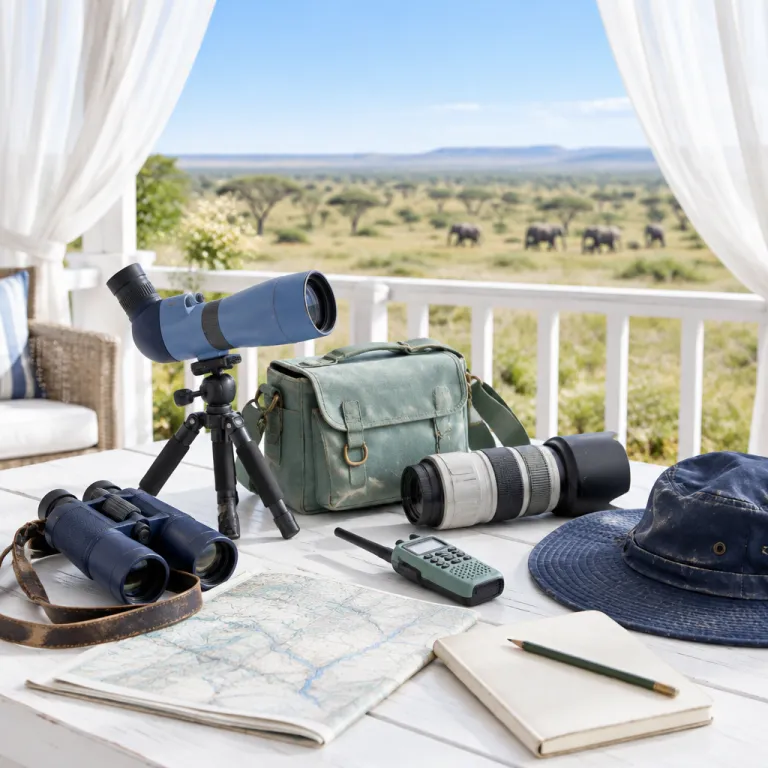
Borana Lodge Kenya: why this Laikipia safari lodge stands apart
Why borana lodge kenya stands apart on the laikipia plateau
Borana Lodge in Kenya sits on a ridge with a sweeping view across the Laikipia plateau, one of East Africa’s most wildlife-rich highland landscapes. This elevated position in northern Kenya places the lodge within a vast wildlife conservancy that links directly to the neighbouring Lewa Wildlife Conservancy, creating one of the most important wildlife corridors in East Africa for elephant, rhino, and big cats. For travellers comparing safari lodges in Kenya, this seamless landscape shared by Borana, Lewa, and the wider Laikipia plateau offers a rare combination of privacy, measurable conservation impact, and flexible game viewing.
The lodge itself blends stone, thatch, and warm interiors, giving every suite a panoramic view over the Borana Conservancy plains where elephant, lion, and both white rhino and black rhino move freely. When you book Borana Lodge Kenya through a specialist luxury and premium hotel booking website in Kenya, you gain access to tailored itineraries that combine this conservancy with the Masai Mara or even cross border journeys into Tanzania. This curated approach to travel means your safari can flow from a tented camp in the Mara to a private house at Borana, or from a fly camping adventure in the conservancy to a few quiet nights at a coastal retreat.
Each of the eight rooms at Borana Lodge offers generous accommodation with open fireplaces, deep bathtubs, and terraces that frame the sunrise view over Mount Kenya. Families appreciate that several suites interconnect, allowing parents and children to share space while still enjoying privacy and personalised service. For guests who want a more exclusive experience, the lodge can be booked on a fully private basis, turning Borana Lodge into a sole use safari residence with dedicated guides, vehicles, and flexible game drives. In July 2023, one visiting family from the UK described watching a herd of elephant from their terrace at dawn as “like having our own private documentary”, a moment that captured the lodge’s blend of comfort and wilderness.
Conservation led safaris and meaningful wildlife encounters
The heart of Borana Lodge Kenya is its role in the Borana Conservancy, a pioneering wildlife conservancy that protects critical habitat for endangered species. This privately managed conservancy adjoins Lewa Wildlife Conservancy, forming a single conservation landscape where wildlife moves freely between Borana, Lewa, and the surrounding game reserve areas. When you stay at the lodge, every game drive, guided walk, or horse riding excursion directly supports this conservation model, because a portion of your nightly rate funds anti poaching units and community projects.
Guests often highlight the chance to track both black and white rhino with the conservancy rangers, an experience that feels intimate yet carefully controlled for safety and animal welfare. A Borana ranger explained in 2022 that rhino are located using a combination of GPS tracking and traditional spoor reading, allowing visitors to approach on foot only when conditions are calm and the animals are undisturbed. Early morning game drives across the Laikipia plateau might reveal lion on a fresh kill, herds of Grevy’s zebra, or reticulated giraffe moving through acacia woodland, while afternoon safaris focus on golden light and sweeping view points. For families, guides adapt each safari to different ages, turning wildlife encounters into engaging lessons about Africa’s ecosystems and the complex balance between people, livestock, and game.
Because Borana and Lewa operate as a unified wildlife conservancy, your stay can include a full day excursion into Lewa Wildlife Conservancy to see its different habitats and conservation projects. Many luxury travel planners pair this with a later visit to the Masai Mara, using specialist itineraries such as an end of summer family safari in Kenya to time wildlife viewing with school holidays. This combination of Borana Conservancy, Lewa, and the Mara ecosystem gives you a multi layered safari experience that goes far beyond a single camp or lodge stay.
Designing a tailored safari from borana to the mara and beyond
Planning a stay at Borana Lodge Kenya is rarely about a single destination, because the lodge sits at the crossroads of several iconic safari regions. Many itineraries begin with a few nights at Borana Lodge, then continue by light aircraft to the Masai Mara for intense big cat sightings and the seasonal river crossings that define this famous game reserve. Travellers who prefer quieter areas often choose private conservancies in the greater Mara ecosystem, such as Naboisho, where an intimate safari residence in the Mara ecosystem complements the more rugged feel of Borana and the Laikipia plateau.
From Borana, it is also straightforward to connect with southern Tanzania by air, allowing you to combine Kenya’s northern conservancies with the vast game reserves of the Selous or Ruaha. This Kenya and Tanzania pairing works especially well for seasoned Africa travellers who want contrasting landscapes, from the volcanic silhouette of Mount Kenya to the broad rivers and miombo woodland further south. Luxury and premium hotel booking platforms in Kenya can coordinate these multi country journeys, ensuring that each camp, tented camp, or lodge maintains a consistent standard of service, guiding, and conservation ethos.
Some guests choose to add a night or two of fly camping within the Borana Conservancy, sleeping under canvas in a simple camp that focuses on immersion rather than amenities. Others prefer to end their trip with a stay in a refined camp Masai style property in the Mara, where cultural interactions with Maasai communities complement the wildlife focus of earlier safaris. In every case, the key is to match each stage of the journey to your preferred pace, whether that means long game drives, slow mornings at the lodge, or active days filled with horse riding and mountain biking.
Active adventures: horse riding, mountain biking, and fly camping
One of the defining features of Borana Lodge Kenya is the range of activities that go beyond traditional vehicle based game drives. The lodge is renowned for its horse riding safaris, which allow confident riders to move quietly among plains game on the Laikipia plateau, often approaching giraffe, zebra, and antelope at close range. For guests who prefer wheels to hooves, guided mountain biking along conservancy tracks offers a different perspective on the landscape, with frequent pauses to enjoy the view and interpret wildlife tracks.
Fly camping is another highlight for adventurous travellers, providing a lightweight camp set up in remote corners of the Borana Conservancy under a canopy of stars. These nights in a simple tented camp focus on the sounds and scents of the African bush, with a small team handling safety, meals, and logistics while you immerse yourself in the wilderness. In August 2022, a returning guest from Nairobi described waking to the sound of lions calling near a fly camp as “the most vivid reminder that we were visitors in a wild place”. Families often choose a mix of activities, with shorter horse riding sessions for younger children, gentle walks near camp, and classic morning and afternoon safaris for multi generational groups.
Because Borana shares an open boundary with Lewa Wildlife Conservancy, active guests can also explore different habitats in Lewa Wilderness, where rolling hills and valleys create varied terrain for walking and riding. Some itineraries include a day trip to the nearby Ngare Ndare forest, where clear blue pools and forest canopy walks contrast with the drier savannah of the conservancy. This combination of wildlife, adventure, and varied landscapes makes Borana Lodge a strong choice for travellers who want more than a standard game drive routine.
Exploring lewa, ngare ndare forest, and mount kenya from borana
Staying at Borana Lodge Kenya places you within easy reach of several of northern Kenya’s most compelling landscapes. To the south east rises Mount Kenya, whose snow capped peaks often appear at dawn from the lodge’s main terrace, creating a dramatic view that changes with the light. Many guests choose to add a day excursion or overnight hike on the lower slopes of Mount Kenya, combining forest walks with visits to local farms and community projects that benefit from conservancy tourism.
To the south, Lewa Wildlife Conservancy and the broader Lewa Wilderness area offer a different style of game viewing, with rolling hills, open plains, and pockets of woodland that support diverse wildlife. A full day safari into Lewa can include visits to conservation headquarters, where you learn how rangers monitor both white rhino and black rhino populations using modern tracking technology. Because Lewa and Borana operate as a single wildlife conservancy, your game drives can cross between them without fences, giving you access to a larger game reserve style landscape while still returning to the comfort of Borana Lodge each evening.
Another popular excursion from Borana is to the Ngare Ndare forest, sometimes written as Ndare Forest, a protected area of indigenous woodland and crystal clear streams. Here, guests can walk along a canopy bridge, swim in natural rock pools, and enjoy a picnic in the shade, creating a refreshing contrast to the open savannah of the Laikipia plateau. For families, combining a morning in Ndare Forest with an afternoon game drive back in the conservancy creates a varied day that keeps children engaged and deepens everyone’s understanding of Kenya’s interconnected ecosystems.
Planning your stay: accommodation, family travel, and when to visit
When you plan a stay at Borana Lodge Kenya through a luxury and premium hotel booking website in Kenya, you can choose from several accommodation configurations that suit couples, families, or small groups. Each room or cottage offers generous space, an open fireplace, and a private terrace with a far reaching view over the conservancy, while shared areas include an infinity pool and open air dining spaces. Families often opt for the larger cottages that can be configured as a private family wing, giving children room to relax between game drives and activities.
Travel planners typically recommend a minimum of three nights at Borana Lodge to fully experience the conservancy, with four or five nights ideal if you want to include horse riding, mountain biking, and a possible fly camping night. Many itineraries then add three or four nights in the Masai Mara or a neighbouring camp Masai style conservancy, creating a balanced safari that combines the quieter feel of northern Kenya with the high density game viewing of the Mara. Some guests also add time in Nairobi, staying at an elegant city retreat such as the Karen Country Club, which is profiled as an elegant golf retreat for luxury city escapes before or after their Laikipia and Mara safaris.
The best time to visit Borana Lodge depends on your priorities, because wildlife viewing is strong throughout much of the year thanks to the conservancy model. Drier months tend to concentrate game around water sources, making sightings of elephant, lion, and rhino more predictable during game drives, while greener periods bring dramatic skies, newborn animals, and fewer vehicles. Scheduled flights from Nairobi Wilson Airport usually land at Lewa Downs or Borana airstrips in about 45 minutes, but transfer times to the lodge can vary with weather and routing, so confirming exact timings with your specialist or booking platform helps ensure smooth connections.
Key figures and statistics about borana lodge and laikipia safaris
- Borana Conservancy and Lewa Wildlife Conservancy together protect more than 93 000 hectares of connected habitat in northern Kenya, based on land area figures published by Lewa Wildlife Conservancy and Borana Conservancy between 2019 and 2022, creating one of East Africa’s most significant private conservation landscapes.
- The combined Borana and Lewa ecosystem holds over 200 black and white rhino according to Kenya Wildlife Service national rhino status reports and Lewa Wildlife Conservancy species updates released between 2020 and 2023, representing a substantial proportion of Kenya’s total rhino population and forming a critical stronghold for the species.
- Laikipia County, which includes the Laikipia plateau and Borana Conservancy, hosts an estimated 6 000 elephants, making it one of the most important elephant ranges in Kenya outside national parks; this figure is drawn from Save the Elephants research and aerial census data for northern Kenya published between 2016 and 2021.
- Tourism and conservancy fees from lodges and camps in Laikipia, including Borana Lodge, contribute millions of US dollars annually to community projects, security, and habitat protection, according to Northern Rangelands Trust financial reports and impact summaries covering the period 2018 to 2023, underpinning local livelihoods and long term conservation.
- Light aircraft flights from Nairobi to airstrips serving Borana and Lewa typically take around 45 minutes, based on scheduled services listed from Nairobi Wilson Airport in 2023 and 2024, making it feasible to combine a Laikipia safari with the Masai Mara or coastal Kenya within a single week long itinerary.
FAQ about borana lodge kenya and laikipia safaris
Where is Borana Lodge located in Kenya ?
Borana Lodge is located on the Laikipia plateau in northern Kenya, within the privately managed Borana Conservancy that borders Lewa Wildlife Conservancy. The lodge sits on a hillside with expansive views towards Mount Kenya and the surrounding savannah. Access is usually by light aircraft from Nairobi to a nearby airstrip, followed by a short game drive transfer.
What types of activities are available at Borana Lodge ?
Guests at Borana Lodge can enjoy classic morning and afternoon game drives, guided bush walks, and conservation focused experiences such as rhino tracking with rangers. The lodge is also known for its horse riding safaris and guided mountain biking, which offer more active ways to explore the conservancy. For adventurous travellers, fly camping and visits to nearby Ngare Ndare forest or Ndare Forest add further variety.
Is Borana Lodge suitable for families with children ?
Borana Lodge is well suited to family travel, with flexible accommodation options, interconnecting rooms, and staff experienced in hosting children. Guides adapt game drives and activities to different ages, often including shorter drives, tracking lessons, and time at the pool between safaris. Many families combine Borana with a stay in the Masai Mara to give children a broader experience of Kenya’s wildlife and cultures.
How does staying at Borana Lodge support conservation ?
A significant portion of the nightly rate at Borana Lodge goes directly to funding the Borana Conservancy’s conservation and community programmes. This includes anti poaching operations, rhino monitoring, education initiatives, and support for neighbouring communities that share the landscape. By choosing a lodge within a wildlife conservancy, guests contribute to long term habitat protection and sustainable livelihoods.
Can Borana Lodge be combined with other safari destinations ?
Many itineraries combine Borana Lodge with Lewa Wildlife Conservancy, the Masai Mara, or coastal Kenya, using scheduled or charter light aircraft flights. It is also possible to link a stay at Borana with safaris in Tanzania, such as the Serengeti or Ruaha, for a broader East Africa journey. Luxury and premium hotel booking services in Kenya can coordinate these multi stop trips, ensuring smooth transfers and a consistent standard of guiding and accommodation.
References
- Kenya Wildlife Service – national rhino conservation reports and species status updates (notably 2020–2023 national rhino status reports).
- Lewa Wildlife Conservancy – conservation overview, land area, and wildlife monitoring data (including annual reports from 2019–2023).
- Northern Rangelands Trust – financial statements and community impact reports for Laikipia conservancies (covering fiscal years 2018–2023).
- Save the Elephants – research publications and aerial survey data for elephant populations in northern Kenya (with key surveys published between 2016 and 2021).