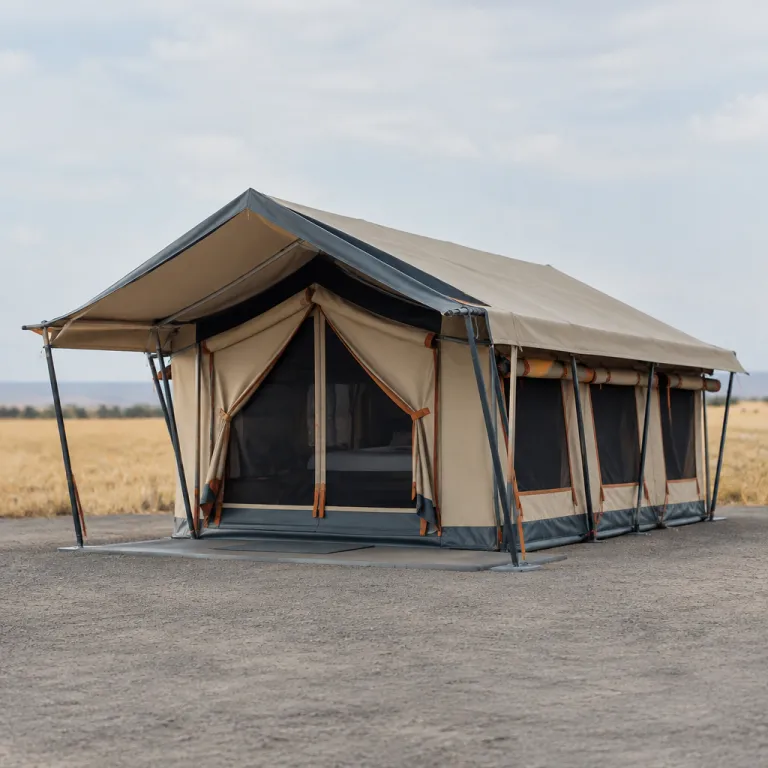
Olakira camp in context: how a mobile safari camp elevates East African journeys
Olakira Camp is a semi-permanent mobile safari camp that follows the Great Migration across the Serengeti in northern Tanzania. This luxury tented camp gives you a front-row position to some of the most dramatic wildlife movements on earth, while maintaining the comfort level many travellers expect from a high-end safari lodge. For guests browsing a premium hotel booking website in Kenya, understanding how this migration camp compares with fixed lodges and city hotels is essential before confirming any safari accommodation.
The camp moves between the southern Serengeti and the Northern Serengeti, tracking the herds as they shift from calving grounds to river crossing points. This mobile camp model means your safari experience is centred on wildlife first, with the camp Serengeti locations chosen for proximity to the action rather than for permanent infrastructure. For travellers used to a city hotel in Nairobi or Mombasa, the tented accommodation at this migration camp feels surprisingly refined, with en suite bathrooms, hot water and solar-powered lighting integrated into every tented suite.
Olakira Camp is operated by Asilia Africa, a respected safari company that partners with local communities and conservation organisations in Tanzania. The camp offers a low-impact footprint, with structures designed to be removed completely when the season ends, which helps protect the wider Serengeti National Park ecosystem. For guests comparing price per person per night (pppn) rates across different safari camps and lodges, this blend of sustainability, luxury and a prime Serengeti safari location explains why Olakira Camp often appears among the most sought-after options on specialist booking platforms.
Seasonal movements, migration timing and how to plan your stay
The defining feature of Olakira Camp is its seasonal movement between the southern plains and the Northern Serengeti river systems. From roughly December to March, the camp Serengeti base lies in the Ndutu area on the border between Serengeti National Park and the Ngorongoro Conservation Area, placing guests close to the calving grounds of the wildebeest migration. During this period, the safari experience focuses on vast open plains, newborn calves and intense predator activity, with game drives often revealing cheetah hunts within a short distance of the tents.
As the dry season advances, the mobile camp shifts north towards the Bolongonja and Mara River region, where river crossings dominate the safari narrative. Between June and October, this North Serengeti location gives guests a front-row view of the wildebeest migration as herds plunge through crocodile-filled waters, often within easy game drive distance of the tented camp. When travellers compare migration camp options on a luxury and premium hotel booking website in Kenya, this dual-season positioning of Olakira migration operations becomes a decisive factor, especially for photographers and families planning specific wildlife encounters.
The camp is closed during the heaviest rains, which allows the environment to recover and the mobile structures to be repositioned without guest pressure. Because the best wildlife viewing weeks are limited, price per person per night (pppn) rates during peak migration periods can be higher than in shoulder seasons, and advance reservations through a trusted safari specialist are strongly recommended. For travellers designing a wider East African itinerary, combining a stay at this safari camp with a Kenyan property such as Borana Lodge on the Laikipia Plateau creates a balanced contrast between a permanent luxury lodge and a mobile migration camp.
Inside the tents: what luxury means at a Serengeti safari camp
Olakira Camp accommodates around sixteen to twenty guests in nine to ten tents, depending on whether the camp is in its southern or northern configuration. Each tented suite offers an en suite bathroom with flush toilet and hot water shower, solar-powered lighting and carefully curated furnishings that echo the colours of the Serengeti national landscape. For travellers used to conventional hotel corridors and elevators, the experience of stepping directly from a canvas doorway onto the savannah at dawn redefines what luxury accommodation can mean on safari.
A signature feature of this tented camp is the mesh front section of each tent, which can be opened to create a stargazing deck where guests may sleep under the night sky while remaining fully within the safety of the tent. This design gives a clear view of the Milky Way and the surrounding wildlife sounds, turning the tent itself into a private observatory that feels more exclusive than many city-based luxury lodge suites. The camp offers full board stays, with all meals, most drinks and scheduled game drives included in the price per person per night (pppn) rate, which simplifies budgeting for guests booking through online platforms.
Service is handled by a small, highly trained team of camp staff and guides who know the Serengeti and Ngorongoro ecosystems intimately. They coordinate wake-up calls, private dining setups and tailored safaris, ensuring that each safari experience feels personal rather than packaged. For travellers comparing different safari camp options in Tanzania and Kenya, this level of personalised hosting is often the deciding factor when choosing between a mobile camp like Olakira Camp and a larger, more conventional lodge such as Ol Donyo in Kenya’s Chyulu Hills.
Game drives, wildlife viewing and the front row migration advantage
Game drives from Olakira Camp are timed to maximise light, wildlife activity and guest comfort, with early morning and late afternoon departures forming the core of each day. Because the camp Serengeti locations are chosen specifically for their proximity to the wildebeest migration, drive times to key viewing areas are often shorter than from more distant lodges. This front-row positioning means guests can spend more time watching crossings, hunts and interactions, and less time travelling across the park in vehicles.
Guides at this safari camp are licensed professionals who understand both the behaviour of wildlife and the regulations of the national park authorities. They use radio communication, local knowledge and long-term observation of the migration patterns to position vehicles strategically, whether in the central Serengeti plains during shoulder seasons or in the North Serengeti valleys when herds concentrate near the Mara River. For guests who value photography, this ability to anticipate movement and light conditions often matters more than the number of game drives included in a full board package.
While the wildebeest migration is the headline attraction, the wider safari experience includes resident lions, leopards, elephants, giraffes and an exceptional range of birdlife. Night sounds carry clearly through the tented walls, and it is common to hear hyenas, lions and even elephants moving near the camp at different times. For travellers building a multi-stop itinerary through Kenya and Tanzania, combining this intense wildlife immersion with a quieter stay at a Kenyan garden retreat such as the Karen Blixen Cottages in Nairobi can provide a welcome balance between adrenaline-filled safaris and restful city-based nights.
Comparing olakira camp with Kenyan luxury lodges on booking platforms
Travellers using a luxury and premium hotel booking website in Kenya often compare Olakira Camp with high-end Kenyan properties before finalising their safari route. While the camp is physically located in Tanzania, it competes directly with Kenyan luxury lodge options in the Masai Mara and Laikipia when guests allocate both time and budget. The key difference lies in the mobile camp model, which prioritises proximity to the Serengeti migration over permanent architecture and spa facilities.
On most specialist booking platforms, price per person per night (pppn) rates for Olakira Camp include full board, scheduled game drives and park fees, whereas some Kenyan lodges may separate these elements into different line items. This all-inclusive structure simplifies comparisons for travellers who want a clear view of total safari costs across multiple destinations. When evaluating options, it is useful to consider not only the nightly rate but also the quality of guiding, the likelihood of front-row migration viewing and the environmental impact of each safari camp or lodge.
Another distinction is the regulatory framework of each national park and conservation area, which shapes the type of safari experience available. Serengeti National Park and the neighbouring Ngorongoro Conservation Area have specific rules on off-road driving, night drives and walking safaris, which differ from regulations in Kenyan reserves such as the Masai Mara National Reserve or private conservancies. Understanding these nuances helps travellers choose whether a mobile tented camp like Olakira Camp in Tanzania or a permanent luxury lodge in Kenya better matches their expectations for wildlife density, activity options and overall atmosphere.
Practical planning: access, packing and who olakira camp suits best
Access to Olakira Camp is usually via scheduled light aircraft flights to nearby airstrips in the Serengeti, followed by a short game drive transfer to the camp itself. Travellers booking through a Kenyan-based agency or hotel website can easily integrate these flights with international arrivals into Nairobi or Kilimanjaro, creating a seamless cross-border itinerary. Because the camp is remote and phone signal can be limited, it is wise to finalise all logistics, dietary notes and special requests with your safari consultant before departure.
Packing for a stay at this safari camp requires a balance between comfort and practicality, with soft-sided luggage preferred for small aircraft and warm layers essential for early morning game drives. Neutral-coloured clothing, a good pair of binoculars and a camera with sufficient memory cards will help you make the most of each safari experience, whether in the central Serengeti plains or the wooded valleys of the North Serengeti. Guests should also be prepared for cool nights, especially when sleeping on the mesh deck under the stars, and for strong sun during midday hours when the view across the plains can feel almost endless.
Olakira Camp suits travellers who prioritise wildlife immersion, flexible safaris and a strong connection to the surrounding landscape over spa menus or city-style amenities. Families with older children, photographers and couples seeking a more adventurous form of luxury often find this tented camp ideal, especially when combined with a gentler stop at Lake Manyara or a cultural visit to Ngorongoro on either side of the Serengeti stay. For those who prefer a more traditional hotel structure, a Kenyan luxury lodge near Lake Naivasha or on the Laikipia Plateau might be a better match, but many seasoned safari guests ultimately choose the mobile camp model for its unmatched proximity to the migration.
Conservation, community impact and why mobile camps matter
Olakira Camp operates with a clear conservation mandate, channelling a portion of its price per person per night (pppn) revenue into local projects that support wildlife protection and community development. By using a mobile camp structure that is removed during the wettest months, the operator reduces permanent impact on the Serengeti National Park soils and vegetation, which helps maintain the integrity of key migration corridors. This approach aligns with a broader trend in East African safaris, where travellers increasingly seek accommodation that balances luxury with measurable environmental responsibility.
The camp works with local communities and conservation NGOs in Tanzania to create employment, guide training and education opportunities linked directly to the success of the safari season. Because the migration camp moves between the southern plains near Ngorongoro and the North Serengeti river systems, benefits are spread across multiple regions rather than concentrated in a single village or town. For guests booking through a premium hotel website in Kenya, this cross-regional impact can be an important factor when choosing between different safari camp and lodge options across the wider ecosystem.
In response to a common guest question, the camp team states clearly: "When is the best time to stay at Olakira Camp?" and answers with equal clarity: "Between June–October for river crossings and December–March for calving season." This transparent communication about seasonality, combined with the camp offers of full board packages and expertly guided safaris, reinforces trust for travellers who may be committing significant budgets to a once-in-a-lifetime journey. For many repeat visitors, the knowledge that their stay at Olakira Camp contributes directly to protecting the wildebeest migration and the wider Serengeti safari landscape is as valuable as the front-row wildlife view from their tent.
Key figures and planning statistics for olakira camp and the Serengeti
- Olakira Camp hosts approximately 16 to 20 guests at any one time, spread across 9 to 10 tents depending on season, which ensures an intimate safari experience with a low guest-to-guide ratio compared with many larger lodges.
- The camp operates seasonally in two main periods, from roughly June to October in the north and December to March in the south, meaning that prime migration viewing is concentrated into about eight to nine operational months each year.
- Typical game drives from the camp last between three and four hours, allowing guests to cover significant sections of Serengeti National Park while still returning to camp for relaxed meals and rest between activities.
- Light aircraft flights into Serengeti airstrips usually limit luggage to around 15 kilograms per person in soft bags, a constraint that directly influences how guests pack for their safari camp stay.
- With only 9 tents in the southern season and 10 in the northern season, Olakira Camp often reaches full occupancy during peak migration weeks, so many travellers confirm bookings six to twelve months in advance through specialist safari agencies.
Frequently asked questions about olakira camp and migration safaris
When is the best time to stay at olakira camp for the migration ?
The optimal time depends on whether you prefer calving scenes or river crossings, with December to March in the south ideal for newborn wildebeest and predator action, and June to October in the north better for dramatic Mara River crossings. Both periods offer excellent wildlife density, but availability and price per person per night (pppn) rates can vary by month. Travellers should match their preferred safari experience with the camp’s seasonal location before booking.
How many tents does olakira camp have and how private is it ?
Olakira Camp operates with nine tents in its southern Ndutu location and ten tents when positioned in the North Serengeti, accommodating roughly sixteen to twenty guests in total. This small scale ensures a quiet atmosphere and highly personalised guiding compared with larger safari lodges. The layout of the tented camp is designed to give each unit a degree of privacy and an unobstructed view over the surrounding plains.
Is olakira camp suitable for children and families ?
The camp welcomes children, with minimum age guidelines that can vary slightly depending on the specific location and season, so families should confirm details at the time of booking. Because this is a remote safari camp in big wildlife country, parents must be comfortable with close supervision and early bedtimes aligned with game drive schedules. Many families find that older children and teenagers benefit most from the immersive safari experience and the chance to learn directly from professional guides.
How does olakira camp compare with Kenyan luxury lodges ?
Olakira Camp is a mobile tented camp in Tanzania’s Serengeti, whereas many Kenyan properties are permanent luxury lodge structures with more extensive facilities such as pools and spas. The key advantage of Olakira Camp lies in its front-row position to the wildebeest migration and its low-impact environmental footprint. Travellers often combine a stay here with time at a Kenyan lodge to enjoy both styles of safari accommodation in a single itinerary.
What should I pack for a stay at olakira camp ?
Guests should pack soft-sided luggage limited to about 15 kilograms, with neutral clothing, a warm fleece or jacket for early mornings, a hat, sunscreen and good binoculars. Closed walking shoes, a lightweight rain layer and any personal medications are also essential, given the camp’s remote location in Serengeti National Park. A camera with extra batteries and memory cards will help you capture the full range of your safari experience, from sunrise game drives to starlit evenings on the tent deck.