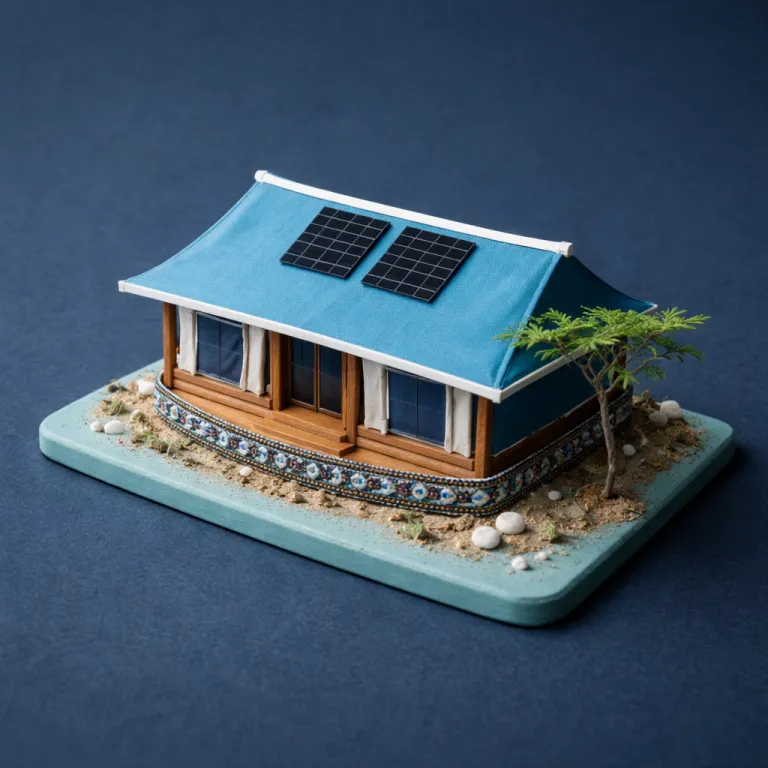
From token eco to carbon-negative: why Campi ya Kanzi feels like the future
Campi ya Kanzi sits in the Chyulu Hills, looking across the plains toward Kilimanjaro, and it quietly rewrites what a kenya sustainable luxury safari can be. This is not a marketing flourish but a working model where a fully solar powered safari camp operates on Maasai owned land, with conservation fees underwriting schools, clinics and the protection of wildlife across 283,000 acres. For couples used to the polished choreography of a classic african safari in the Masai Mara or south Africa, the first surprise here is how refined the luxury feels even as the entire lodge runs off photovoltaic panels and harvested rainwater.
The camp is part of the Kuku Group Ranch, where the Maasai community owns the land and the lodge operates as a joint venture, and that single structural choice changes everything about the safari experience. When the people who have always lived with the wildlife also hold the land title, conservation stops being a charitable add on and becomes the core business model of safari kenya, from grazing plans on the plains to how many game vehicles go out each day. The result is a sustainable safari that feels less like a themed eco retreat and more like a sophisticated, long term pact between guests, local communities and the elephants that still move freely between Amboseli and Tsavo.
Campi ya Kanzi was one of the first fully solar lodges in east Africa, and its 320 kilowatt system powers guest tents, the main lodge and even an electric Land Rover Defender used for game drives. That matters for anyone planning a kenya safari who cares about carbon but still wants a genuinely luxury safari with hot showers, fine glassware and a proper wine list after a long mara safari style day in the bush. The camp’s approach to water, from rainwater harvesting to careful filtration and low impact usage, shows how a kenya sustainable luxury safari can protect scarce resources in a semi arid landscape without asking guests to sacrifice comfort.
Community ownership as the highest form of luxury
Across kenya, the most interesting luxury safari properties now sit on land that is either owned or co owned by local communities, and Campi ya Kanzi is one of the clearest expressions of that shift. The Maasai Wilderness Conservation Trust channels conservation fees from the camp into education, health and wildlife protection, so every person sharing a tent night is effectively underwriting rangers, teachers and nurses across the Kuku plains. That is a very different proposition from a traditional safari camp model where lease payments vanish into distant holding companies and guests rarely see how their stay shapes the reserve.
In the Masai Mara conservancies, a similar pattern plays out at places like Angama Mara and the smaller plains camp style properties that ring the main reserve, where Maasai landowners lease their parcels to safari camps in exchange for fixed payments and strict wildlife friendly land use. Those conservancies have shown that a mara safari can deliver both a high end kenya sustainable luxury safari and better habitat for lions, cheetahs and the wildebeest migration that spills out of the main maasai mara reserve. Our detailed guide to how conservancy guides read the landscape, in the piece on Maasai conservancy guides transforming a safari experience, shows how this model elevates both guiding and guest understanding.
What Campi ya Kanzi adds to that mara and masai mara story is a deeper integration of culture, conservation and carbon accounting, all wrapped in a quietly confident style of luxury. Here, a kenya sustainable luxury safari might mean walking with a Maasai guide at first light, learning how he reads tracks and grass for wildlife clues, then returning to a lodge that is not just low impact but carbon negative. When guests understand that their stay helps keep the plains open for elephants rather than fencing them for agriculture, the idea of luxury in safari Africa shifts from thread count to long term ecological security.
Chyulu Lodge, electric vehicles and the real cost of going carbon negative
Just down the range from Campi ya Kanzi, Chyulu Lodge has positioned itself as Africa’s first carbon negative and zero emissions lodge, and together these two properties form a living laboratory for where kenya sustainable luxury safari is heading. Both rely on solar power, induction kitchens and careful water management, but Chyulu pushes the envelope with a fully electric operations profile that includes vehicles, back of house systems and guest areas. For couples weighing where to book in east Africa, the question is no longer whether eco credentials exist, but how deeply they are embedded in the way a lodge and its camps actually run.
The carbon negative claim at Chyulu Lodge rests on a combination of radically reduced on site emissions and the purchase of high quality carbon credits linked to the surrounding forest conservation projects, while Campi ya Kanzi leans on its long standing reforestation and avoided deforestation work through the Maasai Wilderness Conservation Trust. Both models exclude the flights guests take to reach kenya or to connect from south Africa or Europe, which means a kenya sustainable luxury safari here dramatically lowers but does not erase your overall footprint. The honest position is that these lodges are doing more than almost any safari camp in africa to decarbonise operations, yet aviation remains the stubborn, external piece of the puzzle.
Electric safari vehicles are another area where marketing and reality sometimes diverge across safari kenya, with a handful of properties in the Masai Mara conservancies and Laikipia running genuine electric fleets while others test a single converted vehicle for select drives. At Campi ya Kanzi, the electric Land Rover Defender is used for real game viewing, turning a classic african safari into a near silent glide where you hear only birds, wind and the low rumble of distant wildlife. Families and couples who care about this level of detail can map out which safari camps, from Chyulu to the Mara, genuinely invest in electric vehicles by cross checking lodge claims against Ecotourism Kenya certification and our own guide to which luxury camps work for multi generational trips, where operational transparency is a key filter.
Pricing, replication and why this is not a niche experiment
Stays at Campi ya Kanzi and Chyulu Lodge sit firmly in the upper bracket of kenya safari pricing, with many couples paying between 500 and 1,500 dollars per person sharing per night once flights and transfers are factored in. That level places them alongside the most sought after luxury safari properties in the Masai Mara, the Laikipia plateau and even some south Africa reserves, raising a fair question about whether such a model can ever scale beyond a small, rarefied slice of safari Africa. The answer lies in how these rates are structured, with a significant portion ring fenced for conservation, community projects and the long term protection of wildlife corridors that benefit the entire region.
For guests, the value proposition of a kenya sustainable luxury safari at this level is not just about private vehicles, fine linens and cinematic views over the plains, but about knowing that their stay helps keep the ecosystem intact for the great migration style movements of elephants and other species. When you compare that to a cheaper safari camp that underprices its nights by externalising the cost of habitat loss, poaching pressure or degraded water sources, the apparent bargain starts to look fragile. Over the next decade, as kenya tightens environmental regulation and Ecotourism Kenya’s certification framework becomes a de facto standard, we expect more camps and lodges to move toward this integrated conservation pricing model.
What Campi ya Kanzi tells us is that a carbon negative, community anchored lodge on Maasai land is not an outlier but a prototype for where east Africa’s high end safari experience is heading, from the maasai mara to the Chyulu Hills and even coastal properties that we map in our analysis of why Kenya’s resorts on the coast now rival inland safari luxury. As demand grows for a kenya sustainable luxury safari that respects local communities, protects wildlife and manages water and energy with scientific rigour, the market will reward lodges that treat eco practices as core infrastructure rather than soft marketing. In that sense, the partnership between Campi ya Kanzi, the Maasai community and the conservation organisations on the Kuku plains is less a niche adventure and more a blueprint for how safari kenya can remain both aspirational and ethically defensible.
Key figures shaping Kenya’s next-generation sustainable safaris
- Campi ya Kanzi operates on approximately 283,000 acres of Maasai owned Kuku Group Ranch land, creating a conservation buffer between Amboseli and Tsavo that is significantly larger than many individual Masai Mara conservancies (source: Ecotourism Kenya).
- The lodge runs on an estimated 320 kilowatts of solar power capacity, enough to cover guest operations and back of house systems without relying on diesel generators, positioning it among the most energy independent safari camps in east Africa (source: Maasai Wilderness Conservation Trust and partner documentation).
- Campi ya Kanzi was established in the mid 1990s and has since evolved into a recognised model for climate focused tourism, receiving an Ecowarrior Award for climate action under the SDG13 category from Ecotourism Kenya, which highlights its long term commitment rather than a recent pivot.
- Typical nightly rates across Kenya’s premium safari segment range from roughly 400 to 600 dollars per person sharing at the entry level to 1,500 dollars and above at flagship lodges, a spread that reflects how deeply conservation and community levies are integrated into the kenya sustainable luxury safari model (industry pricing benchmarks).
- Kenya’s tourism and conservation partners are working toward wider adoption of electric safari vehicles and solar powered lodges by the middle of the decade, with early pilots in the Masai Mara, Laikipia and Chyulu Hills informing national policy discussions on low carbon safari africa operations (Travel and Tour World and Ecotourism Kenya briefings).
Verified expert answers on Campi ya Kanzi
What makes Campi ya Kanzi eco-friendly? It uses solar power, rainwater harvesting, and electric vehicles. Who owns Campi ya Kanzi? The Maasai community owns the land; the lodge is a joint venture. What activities are offered at Campi ya Kanzi? Guided game walks, electric vehicle safaris, and cultural experiences.