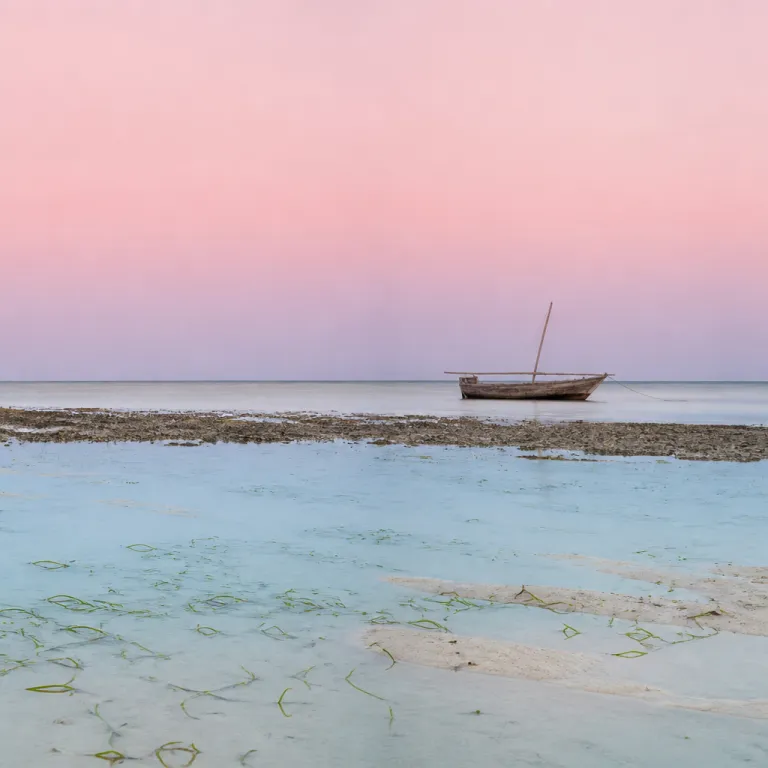
Watamu Kenya luxury for the solo traveler
Watamu sits quietly on the Kenya coast, facing the Indian Ocean. This is where coastal luxury feels unhurried, with days shaped by tides and soft light, not by safari wake up calls. The town lies between Malindi and Kilifi city, yet it keeps a village soul and a serious commitment to marine conservation.
For a solo traveler, the first Watamu check is simple: do you want to be right on Watamu Beach or tucked slightly inland near the mangroves of Mida Creek? Both options offer high end accommodation, but the mood shifts from open ocean views to glassy creek sunsets and birdsong. Many coastal hotels here are small scale, so you feel known by name, not by room number, which is part of the quiet appeal of an upmarket stay on this stretch of the Kenya coast.
Watamu hotels range from understated guesthouses to polished five star properties with large swimming pool decks and direct beach access. You will find hotels in Watamu side by side with private villas, yet zoning keeps the shoreline low rise and human in scale. The best places to stay balance excellent service with a light footprint, supporting the Watamu Marine National Park and local community projects rather than overwhelming them.
Watamu Kenya is also a working community, not a sealed resort strip. Fishermen still launch wooden boats at dawn, and schoolchildren walk the sandy lanes that run behind the main beach resort clusters. That everyday rhythm makes a luxury holiday here feel grounded, especially if you are traveling alone and want both safety and a sense of real place.
Hemingways Watamu and the art of staying still
Hemingways Watamu is the natural anchor for a refined coastal escape. The hotel sits at the center of Watamu Beach, facing the marine national park and its long reef, with the Indian Ocean stretching beyond. It has been here for decades, evolving from a game fishing base into a polished resort without losing its salt air character.
Rooms at Hemingways Watamu are designed for sea views first, with wide balconies and large windows that frame the ocean. You can choose hotel rooms in the older wing or apartment style accommodation in the newer residences, both graded across several stars categories. Either way, the sound of the ocean is constant, and the main swimming pool terrace becomes a social hub by late afternoon.
The property’s history with deep sea game fishing still shapes its personality. Skippers who once chased marlin now guide guests more gently, timing departures with the tides and the light over the Indian Ocean. For solo travelers, this blend of heritage and attentive service makes the resort feel both safe and quietly glamorous, a reliable base for exploring the wider Watamu area at your own pace.
When you compare coast hotels in this part of Kenya, Hemingways stands out for its consistency and its long running staff équipe. Online reviews often highlight excellent food, thoughtful security and a front desk that knows every local operator by name. For a deeper look at how this brand handles intimacy and service inland, you can read about its Maasai Mara sister camp in this guide to an intimate safari camp in the Maasai Mara, which shows the same attention to detail in a very different landscape.
Marine national park days: reef, turtles and Mida Creek
Watamu Marine National Park is the quiet engine behind the area’s appeal. According to the Kenya Wildlife Service, the protected lagoon holds more than 600 recorded marine species, and the reef keeps the inner waters calm enough for relaxed snorkeling even for less confident swimmers. Boats leave from the beach in front of many hotels in Watamu, including Hemingways, usually timing trips with the morning tides.
Local guides provide snorkeling gear and simple briefings before you slide into the clear water. You float above coral gardens while parrotfish, butterflyfish and the occasional turtle move below, with the reef itself breaking the Indian Ocean swell further out. For solo travelers, these small group trips are an easy way to meet other guests without sacrificing the independent rhythm that defines a quiet luxury break.
Back on land, Mida Creek offers a different kind of water day. The tidal inlet lies behind Watamu, with boardwalks and simple towers that look over mangroves and wide mudflats where flamingos and waders feed at low tide. Kayak trips on Mida Creek at sunset are a highlight, the water turning copper as the sun drops behind the palms and the ocean side of Watamu Beach glows in the distance.
Conservation is not a side note here. As one local guide explains to visitors, “Are there conservation programs I can participate in? Yes, organizations like Local Ocean Conservation offer volunteer opportunities.” That ethos runs through many coastal hotels, which support turtle rescue, beach cleanups and community education, making higher end travel here feel aligned with the place rather than imposed on it.
For travelers comparing Kenya’s shores, Watamu’s marine focus contrasts with the broader nightlife and long sandbars further south. If you are curious about another refined stretch of the coast, this luxury guide to Diani Beach hotels shows how a different resort area handles space, style and the ocean, which can help you decide how to divide time between beaches.
Cultural layers: Gede Ruins, Malindi and Swahili coast history
Watamu Kenya is not only about the reef and the beach. Ten minutes inland, the Gede Ruins sit under tall trees, the remains of a Swahili stone city that flourished long before European ships appeared on these coasts. Walking through its mossed walls and old mosque courtyards adds a deeper layer to any coastal luxury itinerary.
Guides at Gede explain how this city once traded across the Indian Ocean, linking the Kenya coast with Arabia and India. You move through the palace, the wells and the town center, hearing how coral stone was cut and how social life revolved around the mosque and the market. For a solo traveler, the site is compact and easy to visit in a morning, leaving the afternoon free for the swimming pool or the ocean back at your hotel.
Malindi lies a short drive north, around thirty minutes by taxi from most Watamu hotels, a larger city with a busier port history and a more urban feel. Some travelers base themselves in kasa Malindi style villas or hotels there, then day trip to Watamu Beach and the marine national park, but the reverse often works better if you value quiet nights and sea views. Malindi’s markets and old town streets are still worth a half day, especially if you want to see how a popular Kenya coast city functions beyond the resort gates.
Back in Watamu, Swahili culture threads through daily life in smaller ways. You hear it in the language, taste it in coconut rich curries and see it in the carved wooden doors that front some Watamu hotel entrances. This cultural depth keeps an upscale stay here from feeling like a generic beach resort experience, especially if you take time to walk the back lanes rather than staying only between room, pool and restaurant.
Planning a four night watamu kenya luxury stay
A Watamu Kenya luxury trip works beautifully as a four or five night pause at the end of a safari. Day one usually begins with arrival from Nairobi or from a bush airstrip via Malindi, followed by a slow Watamu check into your chosen hotel and a first walk along Watamu Beach. Keep this day light, with perhaps only a sunset drink by the pool and an early night to match the ocean’s rhythm.
On day two, book a morning boat into Watamu Marine National Park for snorkeling over the reef. Spend the afternoon by the swimming pool or in a shaded lounger, alternating between the ocean view and a book, then dine at the resort restaurant or a nearby coastal hotel with strong reviews for seafood. This is where you start to feel the pace of Watamu Kenya luxury, with no pressure to tick off sights.
Day three can be your culture and creek day. Visit Gede Ruins in the cooler morning hours, then head to Mida Creek for a late lunch and a kayak or boardwalk session as the tide turns, watching birds move across the flats and the sun drop behind the mangroves. Return to your hotel for a simple dinner and perhaps a quiet swim in the pool under the stars, which is often when the coast feels most intimate.
Keep day four flexible, shaped by weather, mood and the ocean. You might book a half day game fishing charter from Hemingways if the season is right, or simply walk the length of Watamu Beach at low tide, watching crabs and children playing football on the firm sand. If you are combining this with inland stays, use a trusted planner such as the team behind this elegant guide to the best luxury hotels in Watamu, which maps how different properties, room types and price per night points fit into a wider Kenya itinerary.
Practical notes: safety, seasons and choosing your hotel
Watamu Kenya is generally considered one of the calmer stretches of the coast. The town is compact, with most hotels in Watamu based within a short tuk tuk ride of the main beach and the marine park entrance, which keeps logistics simple for solo travelers. Standard precautions apply, but the atmosphere is more village than big city, especially once you step away from the small nightlife strip.
The best time to visit aligns with the dry seasons, when the ocean is clearer and the reef more visible from the surface. Local tourism offices often echo the guidance that “The dry seasons, from June to October and December to March, offer the best weather.” If you are planning around whale shark or turtle activity, speak directly with conservation groups and experienced skippers, as they track conditions more closely than any generic calendar.
When choosing a Watamu hotel, focus on three things. First, the exact position on the beach or near Mida Creek, because a few hundred metres can change the feel of the sand, the wind and the sea views. Second, the style of rooms and whether you prefer classic hotel layouts or apartment style accommodation with kitchenettes, which can change both privacy and price per night.
Third, read recent reviews with an eye for service consistency, not just star ratings or photos of the pool. Properties such as Hemingways Watamu, long established coastal hotels near the center of the bay and smaller owner run places behind the beach all offer different versions of Watamu Kenya luxury. The right choice depends on whether you want full resort infrastructure, a quieter base for marine exploration or a hybrid that lets you move easily between ocean, culture and the slow everyday life of this part of Kenya.
FAQ
What is the best time to visit Watamu for clear water and calm seas ?
The most reliable conditions for snorkeling and swimming usually fall in the dry seasons, when winds are lighter and the sea settles. Local guidance matches the statement that “The dry seasons, from June to October and December to March, offer the best weather.” Outside these windows, you can still enjoy Watamu, but visibility on the reef and overall comfort on the water may vary more from week to week.
Can I join marine conservation activities during my stay in Watamu ?
Yes, Watamu has an active conservation community that welcomes visitors. Organizations such as Local Ocean Conservation run turtle rescue, rehabilitation and education programs, and some offer structured volunteer opportunities for longer stays. Even on a short Watamu Kenya luxury trip, you can support their work through guided visits, donations or by choosing hotels that contribute directly to these initiatives.
Is Watamu safe for solo travelers who want to walk and explore ?
Watamu is generally considered safe for solo travelers, especially during daylight hours along the main beach and in the central village area. Normal travel precautions still apply, such as avoiding isolated stretches after dark and using registered taxis or tuk tuks at night. Many hotels provide guidance on current local conditions and can arrange trusted drivers for trips to Gede Ruins, Malindi or Mida Creek.
How many days should I plan for Watamu in a Kenya itinerary ?
A stay of four to five nights works well for most travelers, especially if Watamu comes after a safari. This gives you time for at least one reef snorkeling trip, a visit to Gede Ruins, an afternoon on Mida Creek and several unstructured beach or pool days. Longer stays suit remote workers or slow travelers who want to settle into the town’s rhythm and explore more of the Kenya coast.
Is it better to stay in Watamu or Malindi for a luxury beach break ?
Watamu offers a quieter, more marine focused experience, with easy access to the national park, Mida Creek and a compact strip of high quality hotels. Malindi, by contrast, is a larger city with more urban energy, a busier port and a wider range of shops and services. For most travelers seeking Watamu Kenya luxury with strong ocean access and a relaxed pace, Watamu itself is the better base, using Malindi as an occasional day trip rather than the main place to sleep.