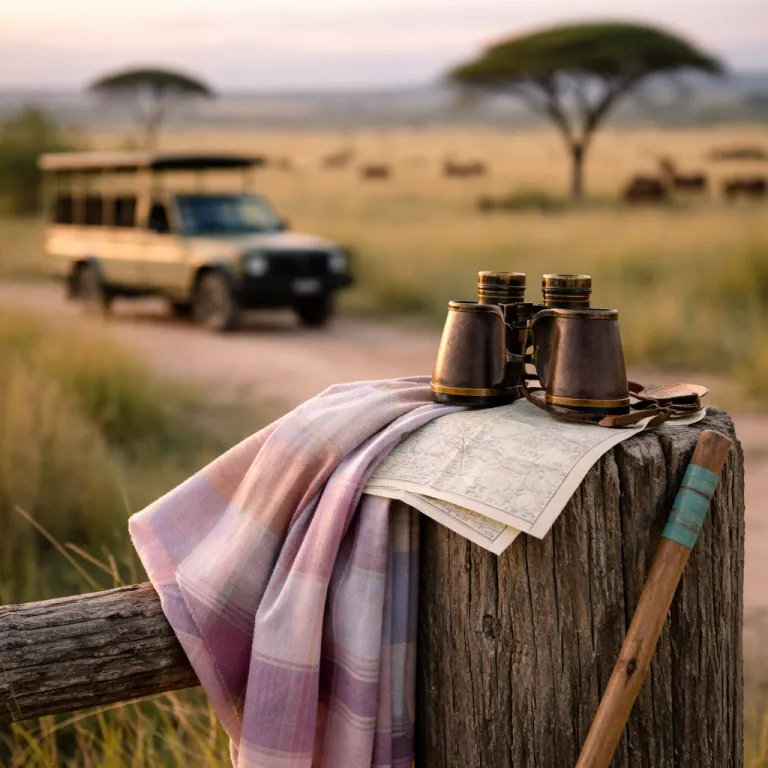
Why a Maasai conservancy guide safari changes the whole journey
In the Maasai Mara region of Kenya, the guide you travel with shapes every safari memory. A Maasai conservancy guide safari places you with professionals who grew up on this land and understand every fold of the grass, every bend of the river. Instead of chasing radio calls in the main reserve, you move through private conservancies where your guide can work quietly, patiently and with far more freedom.
These Maasai guides operate on community owned conservancy land that surrounds the Maasai Mara National Reserve and stretches across thousands of acres. Here, wildlife viewing is capped by guest numbers, so each game drive feels intimate even during the great migration when vehicles crowd the main reserve. Because conservancies are co managed with Maasai landowners, every safari directly supports local families and long term wildlife protection.
On a typical day in a Mara Kenya conservancy, your guide plans activities around light, wind and animal movement rather than rigid timetables. Morning game drives might follow the Mara River or smaller seasonal streams, while afternoon routes track big cats as they rise to hunt. At night, the same guide can legally continue the game drive with a red filtered spotlight, something not allowed inside the national reserve under Kenya Wildlife Service regulations that prohibit night drives in most national parks and reserves.
Conservancy guides also act as cultural translators between guests and Maasai communities. Around the campfire they explain how conservancies differ from the national park model and why wildlife corridors between north and south grazing areas matter. When you visit a manyatta village, they help you understand the balance between traditional pastoral life, modern education and the income generated by safari tourism.
For luxury travelers booking through a premium platform, the key is to look beyond the word safari and read how a camp describes its guiding team. Ask whether guides are from local Maasai conservancies, how long they have worked in that specific conservancy and whether they hold national qualifications. A true Maasai conservancy guide safari is defined less by tent thread count and more by the guide who reads the land like a living map, often after 10 or more years of tracking the same prides and river crossings.
What conservancy guides can do that national reserve drivers cannot
Inside the Maasai Mara National Reserve, driver guides must stay on marked tracks, keep strict hours and avoid night drives. In the surrounding conservancies such as Mara North, Naboisho and Olare Motorogi, a Maasai conservancy guide safari operates under different rules agreed with Maasai landowners. Those rules allow carefully controlled off road driving, walking and after dark activities that change how you experience wildlife.
Off road access means your guide can position the vehicle with precision during a game drive, without crowding animals or blocking another vehicle’s view. When a cheetah stalks Thomson’s gazelles or big cats rest in long grass, a conservancy guide reads wind direction, slope and animal body language before easing closer. The result is unhurried viewing that feels like a private wildlife documentary rather than a rushed tick list.
Night drives are another major difference between conservancies and the national reserve. After an early dinner, you head out with your guide and spotter to search for lions on patrol, servals hunting or hippos grazing far from the river. Because conservancies limit vehicle numbers per acre and often cap sightings at two to five vehicles at a time, the experience remains quiet and low impact even when several camps share the same wildlife rich valley.
Conservancy guides also have more flexibility to adjust a day’s activities when weather shifts. During the rainy season, they may avoid black cotton soil in the main reserve and instead focus on higher ground in the Mara Triangle or Mara North. In the dry season, they might follow the Mara River or smaller waterholes where wildlife concentrates, timing game drives for cooler hours when animals are most active.
For travelers considering all inclusive luxury resorts in Kenya for an elevated safari and coastal experience, the same principle applies. Choose properties that highlight conservancy access, guide training and low vehicle density rather than only spa menus or pool design. A Maasai conservancy guide safari in a private conservancy consistently delivers richer wildlife behavior than a quick dash through the main reserve.
Walking safaris and the shift from spectator to participant
Being on foot with a Maasai guide in a conservancy changes your relationship with wildlife completely. A Maasai conservancy guide safari that includes walking is less about big cats and more about tracks, wind and the quiet language of the bush. You notice how every game trail, termite mound and river crossing tells a story of survival.
In community areas such as Loita Forest and certain Mara conservancies, walking is led entirely by Maasai guides on their own land. They set the pace, read the ground for fresh spoor and decide when to approach or retreat, always keeping a safe distance from wildlife. Instead of chasing the best photo, you learn how elephants use different paths in the dry season and rainy season, and why certain ridges become vital during the great migration.
On a typical morning walk, your guide might lead you along a low ridge above the Mara River or a smaller tributary. You stop to examine hyena tracks, listen for alarm calls and feel the wind shift across the open plains of the Maasai Mara. When you later return to the vehicle for a game drive, every sighting feels layered with new understanding because you have walked the same ground.
Walking also deepens your sense of the conservancy as a living partnership between wildlife and people. Your guide explains how Maasai herders move cattle north and south across shared grazing, leaving core wildlife areas undisturbed during key times such as mid July when the great wildebeest herds arrive. They show you traditional plants used for medicine, and how certain trees mark boundaries between different conservancies and the main reserve.
For solo travelers choosing where to stay in luxury in Kenya for an exceptional escape, walking access is a strong indicator of guide quality. Camps that invest in trained walking guides, proper safety protocols and small group ratios usually take guiding standards seriously across all activities. A Maasai conservancy guide safari that includes time on foot will stay with you long after the last game drive ends.
Cultural translators: Maasai guides, community ties and your camp choice
In the Mara, the best guides are not only wildlife experts but also cultural interpreters. A Maasai conservancy guide safari gives you access to people who can explain how conservancies emerged from agreements between Maasai landowners and safari operators. They help you understand why leasing land for conservation can offer more stable income than relying only on cattle or agriculture.
During village visits arranged through conservancy camps, your guide bridges expectations between guests and hosts. They prepare you for respectful behavior, explain the meaning of ceremonies and ensure that photography happens on clear terms agreed with the community. This role protects cultural integrity while allowing tourism revenue to support schools, clinics and local conservation projects.
Maasai guides also contextualize the national picture of wildlife conservation in Kenya. They can explain how the 1,510 square kilometre Maasai Mara National Reserve connects with surrounding conservancies to form a larger ecosystem. When you watch a river crossing on the Mara River or see great wildebeest herds spread across the plains, your guide links that spectacle to grazing rights, land leases and anti poaching patrols funded by conservancy fees.
Back at camp, conversations often turn to daily life in the Mara Triangle, Mara North or Olare Motorogi. Guides talk about sending children to school, balancing traditional dress with modern work and how community meetings decide conservancy rules such as limits on game drives. These stories give emotional weight to every wildlife sighting because you see how closely human futures are tied to healthy wildlife populations.
For travelers browsing elegant luxury hotels for couples in Kenya’s most romantic landscapes, it is worth reading beyond room descriptions. Look for camps that name their Maasai guides, mention long tenures and highlight partnerships with local conservancies rather than only the national reserve. A genuine Maasai conservancy guide safari always feels rooted in community, not just in the spectacle of wildlife.
Conservancy by conservancy: reading guide quality before you book
Not all Mara conservancies operate in the same way, and that matters when you book. A Maasai conservancy guide safari in Naboisho, Mara North or Olare Motorogi offers different densities of wildlife, vehicle numbers and walking options. Understanding these nuances helps you match your expectations with the right camp and guiding style.
Mara North Conservancy, bordering the Maasai Mara main reserve, is known for strong big cats sightings and relatively low vehicle density. Guides here often track lions and leopards across rolling hills and river valleys, using off road access to position vehicles with care. Because the conservancy is co managed with Maasai landowners, long serving guides build deep knowledge of individual prides and seasonal wildlife movements.
Olare Motorogi Conservancy, sometimes called the Mara National jewel by seasoned travelers, has strict limits on beds per acre and vehicle numbers at sightings. This means your game drives feel unhurried even during peak great migration months when the main reserve and Mara River crossings are crowded. Guides here often focus on extended sightings, allowing you to watch behavior unfold rather than racing between animals.
Across the wider Mara ecosystem, there are now around 15 Maasai Mara conservancies that complement the national reserve. Some sit north of the Mara River, others border the Mara Triangle or link community land with core wildlife areas. When you read a camp brochure, look for details on guide to guest ratios, walking qualifications, night drive permissions and whether guiding teams are predominantly Maasai.
For a luxury stay that balances privacy, wildlife and cultural depth, platforms like mykenyastay.com curate the best properties across Kenya. When comparing options, prioritize camps that emphasize conservancy based guiding, year round wildlife rather than only mid July river crossings and a clear commitment to community partnerships. A carefully chosen Maasai conservancy guide safari will feel personal, ethical and quietly transformative from the first dawn game drive.
Practical booking tips for a Maasai conservancy guide safari
Booking a luxury camp in the Mara is not only about the tent or the pool. For a true Maasai conservancy guide safari, you need to interrogate the guiding programme with the same care you give to room categories. Start by asking whether the camp is inside the Maasai Mara National Reserve, in the main reserve buffer or in a named conservancy such as Mara North or Olare Motorogi.
Once you know the location, focus on guide credentials and tenure. Ask how many years the head guides have worked in that specific conservancy and whether they hold national qualifications or additional tracking certificates. Camps that invest in long term Maasai guides usually deliver more consistent wildlife sightings, whether you visit in the dry season, the rainy season or during the peak of the great migration.
Next, examine how the camp structures its game drives and other activities across the day. Look for small vehicle groups, flexible departure times and the option of full day drives into the main reserve or Mara Triangle when conditions are right. If the brochure mentions night drives, walking safaris and limited vehicles per sighting, you are likely looking at a conservancy with strong wildlife management.
Because conservancies have limited beds, it is wise to book well ahead, especially if you hope to see a dramatic river crossing on the Mara River or follow great wildebeest herds. Remember that wildlife is present year round, and big cats remain territorial long after the herds move on. Choosing quieter months can mean fewer vehicles, more time with your guide and softer light for photography.
Finally, pay attention to how the camp speaks about community. Phrases such as “A private conservation area managed by Maasai landowners.” and “They provide sustainable income and support conservation efforts.” and “Game drives, walking safaris, and night drives.” signal a genuine conservancy partnership rather than marketing gloss. When those commitments align with expert guiding, your Maasai conservancy guide safari becomes one of the most rewarding ways to experience Kenya.
FAQ about Maasai conservancy guide safaris in the Mara
What is a Maasai conservancy and how is it different from the national reserve ?
A Maasai conservancy is community owned land leased for wildlife conservation and low impact tourism. It sits outside the Maasai Mara National Reserve but forms part of the same greater ecosystem. Conservancies usually have fewer vehicles, more flexible activities and stronger direct benefits for local Maasai landowners.
Is a conservancy based safari better than staying inside the main reserve ?
For most luxury travelers, a conservancy offers a richer, quieter experience than staying only inside the main reserve. You gain access to off road game drives, night drives and often walking, all led by highly trained Maasai guides. Many guests combine a conservancy stay with one day in the national reserve to see famous areas such as the Mara River.
When is the best time of year to visit for wildlife ?
The Mara offers strong wildlife viewing year round, with resident big cats and plains game always present. The great migration usually passes through between mid July and the following months, bringing dramatic river crossings on the Mara River. However, quieter shoulder periods can deliver excellent sightings with fewer vehicles and more time with your guide.
How far in advance should I book a conservancy camp in the Mara ?
Because conservancies limit beds per acre, popular camps often fill many months ahead. If you are targeting peak great migration periods or specific conservancies such as Mara North or Olare Motorogi, aim to book as early as possible. For flexible dates outside peak times, you may find availability closer to travel but choice will be narrower.
What should I look for in a guide when booking through a luxury platform ?
Prioritize camps that employ predominantly Maasai guides with long tenure in the same conservancy. Ask about guide to guest ratios, walking qualifications, language skills and whether guides are involved in conservation or community projects. A strong guiding team is the single most important factor in the quality of your Maasai conservancy guide safari.
References
Kenya Wildlife Service ; MasaiMara.com ; Mara Nyika Camp ; Mara North Conservancy ; Naboisho Conservancy ; Olare Motorogi Conservancy