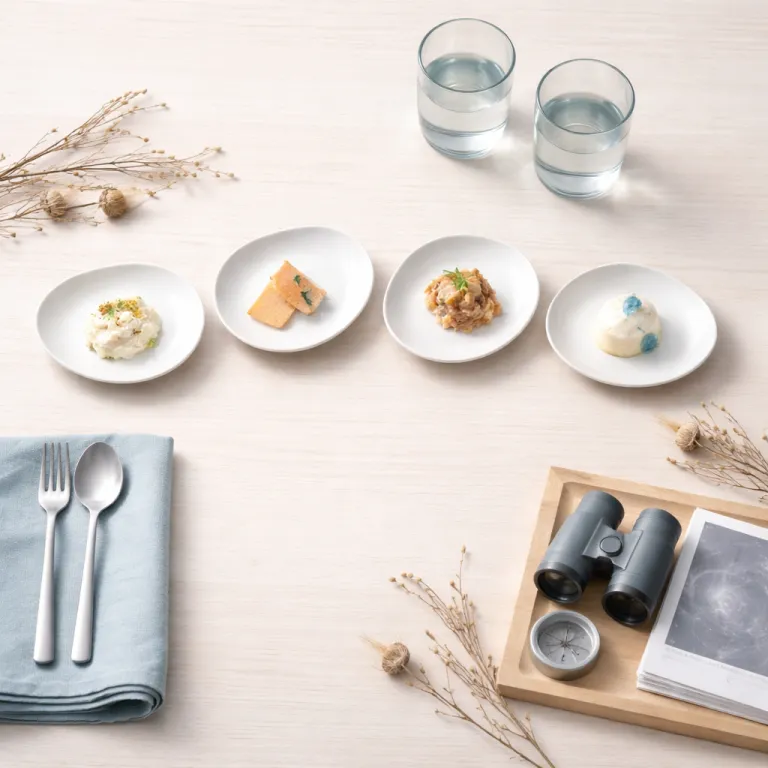
What a kenya bush dining safari really involves
A Kenya bush dining safari looks effortless, yet it is a precise operation. Behind every elegant table set in the bush, a quiet choreography links the main camp kitchen, the safari guides, and the lantern-lit clearing where you finally sit. When couples plan their safari Kenya stays, they rarely learn how many people and how many days of preparation it takes to make those meals feel weightless.
In the Maasai Mara and wider Maasai Mara ecosystem, serious Kenya safaris treat bush dining as a core part of the experience, not a sideshow. Teams at places such as Explore Nature Mara Lodge or Kicheche Bush Camp pre-cook sauces and slow braises in the main kitchen, then send them out in insulated crates so every outdoor safari dining experience in the bush arrives hot and plated, not ladled from a chafing dish. A typical evening might see a head chef, two cooks, three waiters, and a pair of guides leave camp an hour ahead of guests to light fires, test lanterns, and lay out glassware—often eight to ten staff for a single bush dinner, according to lodge training manuals and Kenya Wildlife Service guidance on safe night operations. That is the difference between a theatrical bush dinner and a dining safari that respects both cuisine and the African safari landscape.
Logistics shift by park and by national reserve, and that matters for you as a guest. In Amboseli National Park, for example, Amboseli Serena Safari Lodge must move equipment across open plains where elephants roam, while in the private conservancies near Maasai Mara National Reserve vehicles can slip into discreet sites among the whistling thorns. Whether you are near Lake Nakuru National Park, in Tsavo East or Tsavo West, or on the outskirts of Nairobi National Park, every Kenya bush dining safari balances safety, flavour, and the integrity of the wilderness.
From camp kitchen to acacia clearing: the anatomy of a bush dinner
The most refined bush dinner starts long before your vehicle leaves camp. Chefs at high-altitude lodges in East Africa, especially in the Mara and Laikipia, design multi-course meals that can survive a bumpy drive yet still feel like restaurant-level dining when you reach the bush. Portable cooking equipment, prep tents, and a dedicated équipe of safari guides and waiters turn a patch of grass into an open-air dining room within minutes.
At Cottar's 1920s, the kitchen leans into slow-cooked meats and Kenyan vegetables, sending them out half finished so final searing and saucing happens on site for each dining experience. Angama Mara, perched above the Maasai Mara National Reserve, treats every bush dining event as an extension of its glass-walled main restaurant, with chefs plating under the stars as carefully as they would beside the bar. Mahali Mzuri, part of the same conservancy network, plays more with spice and smoke, using charcoal grills to give their bush meals a distinct East Africa flavour profile that still respects the delicate balance of a Kenya bush dining safari.
Sirikoi in Laikipia, often cited for its farm-to-table ethos, goes further by growing much of the produce served during these safaris days of feasting. Here, a single day might include breakfast near a waterhole, a picnic lunch in the park, and a lantern-lit bush dinner under fever trees, each meal tied back to the lodge's own garden. For couples comparing these approaches, this is where a detailed luxury lodge guide, such as a region-by-region decision resource on where to stay for a first high-end trip, becomes invaluable for choosing the right style of dining safaris and shortlisting properties before making a booking enquiry.
Cuisine versus theatre: how top camps handle bush dining
Not every Kenya bush dining safari is created equal, and couples should be honest about what they want. Some camps treat bush dining experiences as pure theatre, with long lines of lanterns, elaborate table decor, and cultural performances that can feel more staged than the wildlife in the nearby national park. Others, especially the Mara and Laikipia properties already mentioned, start with flavour and let the drama of the bush follow naturally.
At Angama Mara, the emphasis is on clean, confident plates that would hold their own in Nairobi, even when served in the Maasai bush. Cottar's 1920s leans into heritage, with menus that nod to early East Africa safaris while still respecting modern dietary expectations and the realities of a protected national reserve. Mahali Mzuri, by contrast, is unapologetically contemporary, using its position in the greater Maasai Mara to stage lantern-lit dining that feels like a cosmopolitan restaurant temporarily dropped into the wild for a single night.
Timing matters as much as taste, especially for couples planning a short stay of only a few days in Amboseli or a quick day in the Mara before crossing to a Tanzania safari. During intense migration periods, or when storms roll across Tsavo East and Tsavo West, the best guides will quietly suggest skipping a bush dinner and keeping meals closer to camp. For those mapping out a longer African safari that may combine Kenya safaris with Tanzania safaris, a planning resource on the best time to visit Kenya for luxury stays and safaris can help you align your dining safari expectations with the seasons and decide which nights to reserve for outdoor safari dining.
Sourcing, ethics, and the quiet work behind the menu
Behind every plate on a Kenya bush dining safari sits a chain of sourcing decisions that matter in a national park or national reserve. Most serious camps do not take game meat from the conservancy itself, instead bringing in beef, lamb, and poultry from regulated suppliers in Kenya or neighbouring East Africa countries, in line with Kenya Wildlife Service and county public health rules. Fish often comes from coastal waters or from lakes such as Lake Naivasha or Lake Victoria, while vegetables and herbs increasingly come from lodge gardens or nearby small farms.
Guests rarely see this, yet it shapes the integrity of their dining experiences in the bush. Sirikoi's garden, for example, allows the lodge to serve salads and sides that travelled only a few hundred metres, even when the main proteins arrived from further across Kenya. In the Mara, properties like Angama Mara and Mahali Mzuri are transparent about where their meats and wines originate, which helps couples learn how their meals intersect with conservation and community economies during multi-day safaris.
Ethical sourcing also affects how often a camp will stage a full bush dinner versus a simpler sundowner with light meals and drinks. In Amboseli National Park, Amboseli Serena Safari Lodge balances guest demand for frequent bush dining with a commitment to minimise vehicle movements at night, especially near elephant corridors. Across Kenya safaris that combine Maasai Mara, Lake Nakuru, Tsavo West, and Tsavo East, the most thoughtful operators treat every dining experience as part of a larger African safari footprint, not just a photo opportunity, and will explain these choices during pre-arrival briefings or lodge comparison calls.
Lantern light, safety, and when to say no to the bush
Lanterns are not just props on a Kenya bush dining safari; they are part of the design. Camps avoid electric light in the bush so your eyes adjust fully to the night sky, which in these parts of East Africa can feel almost architectural in its clarity. The Milky Way becomes the ceiling, while the soft halo of each lantern keeps the immediate dining area safe without washing out the stars.
For couples, this lighting shapes both the romance and the photography of a bush dinner. Long exposures capture silhouettes of acacia trees, the glow of the table, and sometimes the distant line of a safari vehicle moving back toward camp after a day in the park. Guides position tables so that any approach from wildlife is visible, and armed rangers or experienced Maasai spotters stand just beyond the circle of light, quietly ensuring that your dining safari remains an experience, not an incident, in line with Kenya Wildlife Service safety protocols for night activities.
There are nights, though, when the right decision is to keep meals at the lodge and skip bush dining entirely. Heavy rain in the Mara or strong winds in Amboseli can turn a romantic evening into a test of endurance within minutes, and during intense predator activity some conservancies prefer to limit after-dark movement. As one set of practical guidelines often shared with guests puts it plainly, “Wear comfortable clothing. Use insect repellent. Bring a flashlight.” The same understated tone applies to knowing when your Kenya bush dining safari is better enjoyed as a sheltered terrace dinner overlooking the bush rather than in the middle of it.
FAQ
What is bush dining during a kenya bush dining safari?
Bush dining during a Kenya bush dining safari means taking a full meal out into the wilderness, usually in a clearing or beside a river, instead of eating in the main lodge. Staff set up tables, chairs, and lanterns, then serve multi-course meals prepared in the camp kitchen and finished on site. It is outdoor dining in natural settings during a safari, designed to enhance both the culinary and wildlife experience.
Is a bush dinner safe for couples on safari?
When organised by reputable camps in areas such as the Maasai Mara, Amboseli National Park, or Tsavo West, a bush dinner is run with strict safety protocols. Guides scout the site in advance, armed rangers or trained spotters watch the perimeter, and vehicles remain close enough for a quick return to camp if wildlife approaches. Operators who specialise in Kenya safaris will not stage bush dining on nights when conditions or animal movements make it unsafe, and many follow Kenya Wildlife Service recommendations on maximum group size and vehicle positioning.
How should we dress for an evening bush dining experience?
Light layers, closed shoes, and neutral colours work best for an evening bush dining experience in Kenya. Temperatures can drop quickly after sunset, especially in higher-altitude areas near the Mara or Lake Nakuru, so a warm fleece or light jacket is useful. Most camps also recommend long sleeves and trousers, plus insect repellent, to stay comfortable during several hours outdoors.
Can we arrange bush dining on both kenya safaris and tanzania safaris?
Yes, many operators who combine Kenya safaris with Tanzania safaris can arrange bush dining on both sides of the border. In Kenya, popular locations include the Maasai Mara, Amboseli National Park, and the Tsavo East and Tsavo West region, while in Tanzania similar experiences are offered in parks such as Serengeti or Tarangire. The exact format varies by national park and national reserve, but the principle of open-air meals in the bush remains the same.
How much does a kenya bush dining safari typically cost?
Costs vary by lodge, location, and whether bush dinners are included in a wider safari Kenya package. Some luxury camps include one lantern-lit dinner in multi-day safari itineraries, while others charge a separate fee per event. As a broad guide, couples might expect a private bush dinner to add roughly USD 80–250 per person at high-end properties, depending on drinks and exclusivity; when comparing options, ask whether private bush dining, drinks, and special dietary requests are included in the overall rate or billed as extras, and request current prices directly from your chosen operator.
References
Kenya Tourism Board; Kenya Wildlife Service; Skyin Media on Kenyan gastronomy; sample lodge fact sheets and published rate cards for bush dinner inclusions and staffing norms.