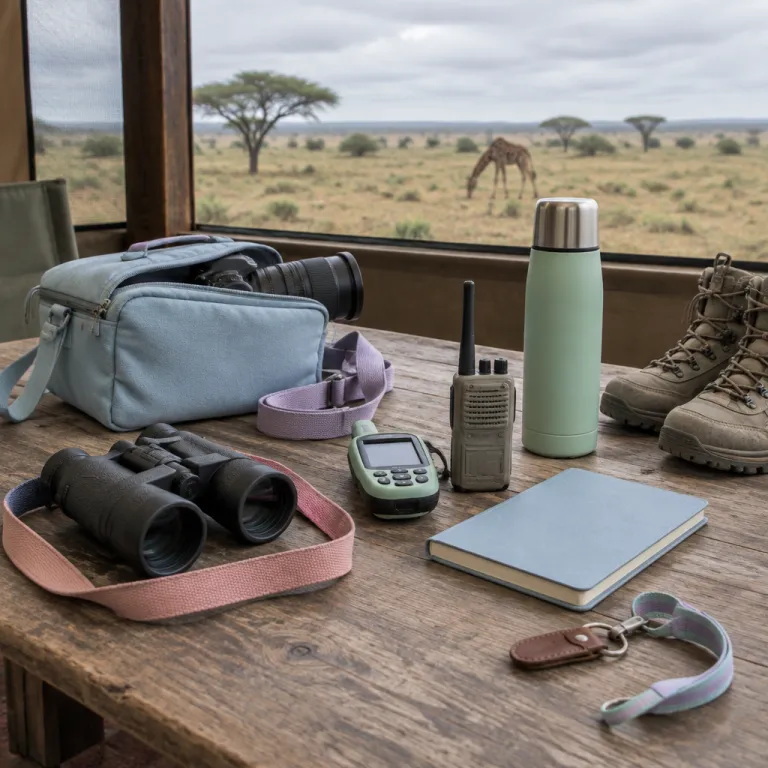
How the Kenya conservancy tourism model really works
On World Tourism Day in Kenya, the quiet revolution is happening far from any national park gate. The kenya conservancy tourism model channels your luxury bed night into lease payments that keep community land open for wildlife instead of carved into farms or fenced for cattle. In practice, that means a conservancy in kenya signs long term agreements with community members, paying them per acre so the land stays wild, while carefully limiting safari beds and vehicles.
This is not abstract conservation theory ; it is a contract between tourism operators and communities who own the land. In the kenya rangelands around the Maasai Mara, Amboseli National area and northern Kenya, community conservancies and private conservancies lease land from local families, then fund those leases through conservancy safari fees built into your nightly rate. Because conservancies cap guest numbers, wildlife viewing stays uncrowded and wildlife protection becomes economically competitive with agriculture.
For a solo traveler booking a premium camp, the benefits are surprisingly direct. Your stay in a conservancy camp helps pay rangers who patrol for wildlife conservation, supports community conservancies that manage grazing plans and underwrites eco tourism projects that diversify income for young people. The kenya conservancies that work best treat tourism as a service purchased from communities, not a favor granted to them.
Where your money goes on a conservancy safari
When you reserve a high end tent in a Mara conservancy, your invoice usually lists a conservancy fee alongside the room rate. That line item is the financial engine of the kenya conservancy tourism model, flowing into lease payments for community land, salaries for rangers and staff, and funds for wildlife protection infrastructure such as vehicles and communications. In many kenya conservancies, a board of community members and tourism partners oversees how those tourism funds are allocated.
Think of your stay as a bundle of payments that touch several layers of conservation and community. A portion goes to the camp operator for hospitality, another portion goes directly to the conservancy for conservation and community projects, and some supports national reserve or national park fees when your safari includes those areas. Because conservancies sit outside formal parks, they extend habitat for wildlife across kenya rangelands, giving elephants, lions and other wildlife space to move between Amboseli National ecosystem, the Maasai Mara and northern Kenya landscapes such as Samburu.
Some conservancies now add carbon finance into the mix, pairing tourism revenue with carbon credits generated from improved grazing and restored nature. When those carbon credits sell, extra income flows back to communities, reinforcing the kenya conservancy tourism model with another revenue stream that rewards conservation instead of land conversion. For a traveler, this means one luxury booking can support both traditional wildlife conservation and emerging carbon projects that keep grasslands intact.
How to read a luxury camp’s impact before you book
Not every camp in kenya that talks about conservation is equally committed to the kenya conservancy tourism model. Before you book, look for clear explanations of who owns the camp, how conservancy fees are structured and what proportion of staff come from the local community. A serious operator will name the specific community conservancy or conservancies they work with and explain how community members participate in decisions.
Porini Camps, operated by Gamewatchers Safaris, are often cited because they sit on community land leased from Maasai families and embed conservancy fees transparently into their rates. When you stay at a Porini camp in a Mara conservancy or in the Amboseli National area, your guide can usually explain how many households receive lease payments and how wildlife viewing rules protect both wildlife and livestock. Other kenya conservancies in northern Kenya and around Samburu follow similar principles, limiting vehicle numbers, banning off road driving in sensitive areas and enforcing strict codes for eco tourism.
As you compare options on a luxury booking platform, read beyond the room photos and the sunset view. Look for mentions of community conservancies, ranger training for young people, and partnerships with national reserve or national park authorities that align tourism with wildlife protection. If a property cannot explain its role in the kenya conservancy tourism model in plain language, consider choosing one that can.
From Nairobi manors to remote camps : choosing stays that matter
World Tourism Day is also a reminder that conservation funding starts long before you board a bush plane. A night at an iconic Nairobi manor that supports wildlife conservation, such as the historic property where guests share breakfast with giraffes, can complement a conservancy safari in the Maasai Mara or Samburu. When you plan your route on a site like mykenyastay.com and read an in depth review such as an elegant Kenyan escape sharing breakfast with giraffes at a historic manor, you see how city stays and remote camps can both serve the wider kenya conservancy tourism model.
Out in the kenya rangelands, camps in northern Kenya, the Amboseli National ecosystem and around Samburu often sit on community land that would otherwise face pressure from fencing or cultivation. By choosing a conservancy camp with strong ties to local communities, you help keep that land open for wildlife, support eco tourism jobs for young people and maintain corridors that link conservancies to each national park and national reserve. The benefits ripple outward, from stable lease income for families to better funded schools and health clinics.
For solo travelers who value both comfort and purpose, this is the real luxury. A thoughtfully chosen stay in kenya aligns your private safari with public conservation goals, turning wildlife viewing and a beautiful view into tools for long term wildlife protection. On World Tourism Day, that alignment between community, conservation and tourism is the story worth booking into.
FAQ
How is a conservancy different from a national park in Kenya ?
A conservancy in Kenya is usually formed on community land or private land that is leased for tourism and conservation, while a national park is state owned and managed by the Kenya Wildlife Service. Conservancies often sit around a national park or national reserve, extending habitat for wildlife and creating space for eco tourism activities like guided walks and night drives that parks may restrict. In the kenya conservancy tourism model, tourism operators pay fees that go directly to communities and wildlife protection, whereas park fees go to the national treasury and conservation agencies.
What makes a luxury conservancy camp genuinely community first ?
A genuine community first camp in Kenya will operate on land leased from local communities, pay transparent conservancy fees and involve community members in governance. You should see clear evidence that a significant share of staff come from nearby communities, that young people are being trained for guiding and management roles, and that lease payments reach households rather than intermediaries. Camps aligned with the kenya conservancy tourism model also support wildlife conservation projects, such as ranger patrols and human wildlife conflict mitigation, rather than only marketing a premium safari experience.
Can one traveler’s booking really make a difference for conservation ?
One booking at a high value conservancy camp contributes to a larger pool of funds that pay land leases, ranger salaries and community projects. Because the kenya conservancy tourism model is built on fewer beds and higher nightly rates, each guest night carries more financial weight than in mass tourism destinations. Over time, consistent bookings from travelers like you help keep community land under conservation agreements, which is critical for wildlife protection in kenya rangelands outside formal parks.
How can I check if my conservancy fees support carbon and climate projects ?
Some kenya conservancies now combine tourism revenue with carbon credits from improved grazing and habitat restoration, but not all do. Before you book, read the camp’s sustainability information and the conservancy’s own communications to see whether they participate in verified carbon projects and how revenue is shared with communities. A credible operator within the kenya conservancy tourism model will explain how carbon finance complements tourism income, rather than replacing the core commitment to community leases and wildlife conservation.
Is a conservancy safari suitable for solo travelers in Kenya ?
A conservancy safari is particularly well suited to solo travelers because camps are small, hosted and highly social, with shared game drives and communal dining. The kenya conservancy tourism model emphasizes low vehicle density and high guide quality, which creates an intimate wildlife viewing experience that feels safe and curated. For independent travelers, this means you can enjoy remote nature, support community conservancies and still have the structure and security of a professionally run camp.