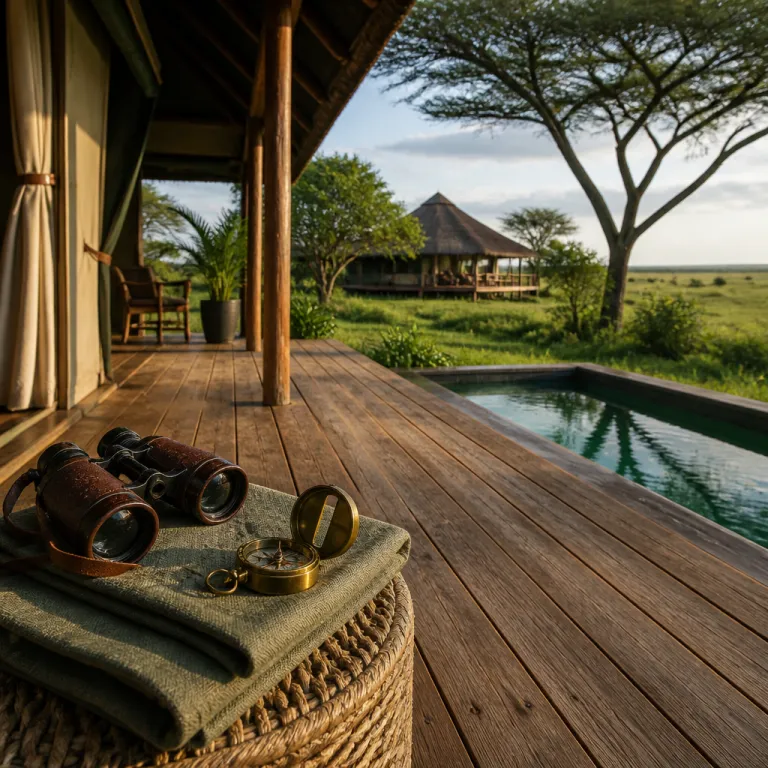
How luxury travellers should think about the best month to visit Kenya
Choosing the best month to visit Kenya shapes every detail of a luxury stay. For high end guests, the right season determines not only wildlife viewing quality but also the calibre of service, privacy, and ambience in each national park or coastal retreat. When you plan your time to visit Kenya with care, you align your safari, flights, and hotel bookings with the most rewarding weather and wildlife patterns.
Across the year, Kenya offers distinct windows that suit different styles of premium travel. January and February bring hot, dry weather with clear skies, which many travellers consider the best time for a Kenya safari that combines poolside relaxation with crisp early morning game drives. From March through May, the long rains transform the landscapes into lush green, and this wetter season can still be a good month for guests who value tranquillity, softer rates, and dramatic skies over perfectly dry tracks.
Luxury travellers often focus on the classic dry season from June to October, widely regarded as the best time to visit Kenya for the Great Migration in the south. During this period, the Maasai Mara National Reserve and neighbouring private conservancies offer some of the most intense wildlife viewing on the continent, especially when the great wildebeest herds cross the Mara River. For those who prefer quieter lodges and more personalised service, November and December, with their short rains and fewer crowds, can be an excellent compromise between value, comfort, and wildlife density.
Maasai Mara and the great migration: timing luxury stays with the herds
For many guests, the best month to visit Kenya is the one that coincides with the Great Migration in the Maasai Mara. Between roughly July and October, the dry season concentrates wildlife along the Mara River, and this is when a Kenya safari in the Maasai Mara National Reserve delivers its most dramatic scenes. During this period, the great wildebeest herds, estimated at around 1,500,000 animals in recent data from the Kenya Wildlife Service (KWS, 2023 annual wildlife statistics), pour into the Maasai Mara from Tanzania’s Serengeti ecosystem.
Kenya Wildlife Service experts state clearly: “The best time to see the Great Migration in Kenya is July to October during the dry season.” Luxury travellers who want front row views of the wildebeest migration should therefore treat this window as the prime time for a high end stay in the Maasai Mara. Securing a premium tented camp or villa overlooking the river typically means booking six to twelve months ahead, especially if you plan to visit Kenya during a peak holiday month when international tourists and local residents travel at the same time.
For honeymooners and couples, the same dry season months offer an excellent balance between romance and wildlife intensity. Clear, cool nights are ideal for private dinners under the stars, while warm days allow for long game drives followed by spa treatments and pool time. As one long standing Maasai Mara camp manager notes, “Our most requested weeks are late August and early September, when river crossings and comfortable evening temperatures align perfectly for honeymooners.” If you are planning a romantic Kenya safari that combines the Maasai Mara with the coast, consult a curated guide to Kenya honeymoon escapes for romantic safaris and idyllic beaches to align your time to visit with both migration peaks and calm beach conditions.
Beyond the Mara: national parks and reserves for every season
While the Maasai Mara dominates conversations about the best month to visit Kenya, discerning travellers know that other national parks and each national reserve also shine at different times. In the central highlands, Mount Kenya offers a cooler climate year round, and the dry months from January to March are often the best time for clear summit views and luxury lodge stays on its forested slopes. These months combine stable weather with crisp mornings, giving guests a good month for guided hikes followed by fireside drinks in elegant mountain properties.
Further west, Lake Nakuru and the surrounding Lake Nakuru National Park provide excellent birdlife and rhino sightings that are less dependent on the Great Migration calendar. The dry season from June to October is still the best time for easy access and dust free game drives, but even during March and April, when rains are heavier, wildlife viewing remains strong around the lake shore. For guests who value exclusivity over crowds, March can be a surprisingly good period, as fewer vehicles share the same sightings and premium lodges often offer more flexible arrangements.
Coastal and inland destinations can be combined intelligently when you plan your time to visit Kenya with a focus on both climate and crowd levels. High end travellers who want privacy might choose a shoulder season month, using the dry days between showers to enjoy spa treatments, private guides, and tailored menus. To secure the most refined villas and safari suites in these quieter windows, consider specialist advice on premium villa rentals in Kenya for an elegant coastal or safari escape, then match those options to the season that best fits your style.
Weather, comfort, and service levels in luxury Kenyan hotels
Weather is central when deciding the best month to visit Kenya, especially for guests investing in premium suites and villas. In Nairobi, for example, average daytime temperatures around July sit near 20–22 °C according to the Kenya Meteorological Department (Kenya Climate Outlook, 2022), which creates a pleasantly mild base for urban stays before or after a Kenya safari. Hotter months such as January bring stronger sun and clearer skies, which many travellers consider the best time for rooftop pools, sundowner terraces, and open air fine dining.
During the long rains from March to May, some travellers worry that a visit to Kenya will be compromised, yet this season can be excellent for those who prioritise service and serenity. Luxury hotels and lodges often have fewer guests, allowing staff to personalise every day, from flexible game drive times to private yoga sessions and chef led tastings. While some remote tracks in a national park may become muddy, premium properties usually operate robust 4x4 vehicles, so wildlife viewing continues, especially in conservancies and well maintained areas.
In the classic dry season from June to October, the combination of cool mornings, warm afternoons, and low rainfall creates the best time for open vehicle safaris and al fresco dinners. This is also the busiest period of the year, so high end travellers should secure their preferred room categories well in advance, particularly in the Maasai Mara and other flagship national reserves. As a practical benchmark, many five star lodges report that prime suites for August and September are often fully committed by February. When you align your time to visit with both the dry season and your comfort preferences, you ensure that every day of your stay feels effortless, from airport transfers to turndown service.
Aligning luxury bookings with Kenya’s travel calendar
Understanding Kenya’s annual rhythm helps you choose the best month to visit Kenya for your specific style of travel. The tourism calendar can be summarised as hot and dry from January to February, long rains from March to May, dry season from June to October, and short rains from November to December. Each season offers a different balance between price, availability, and wildlife intensity, which directly affects how you plan a Kenya safari and select your preferred national park or national reserve.
January and February are often considered the best time for guests who want strong wildlife viewing without the peak migration crowds in the Maasai Mara. These months bring dry weather, excellent visibility, and warm days, making them a good month for combining the Mara with Lake Nakuru or Mount Kenya. From March onwards, the long rains arrive, and while some roads can be challenging, this period can still be good for photographers who love dramatic skies, emerald grass, and fewer vehicles around each sighting.
From June to October, the dry season dominates, and this is widely seen as the best time to visit Kenya for both the Great Migration and general wildlife viewing. Lodges in the Maasai Mara, Lake Nakuru National Park, and other flagship areas often reach high occupancy, so premium travellers should coordinate with trusted tour operators and hotel concierges early in the year. When you plan your time to visit around this peak window, you secure not only the best rooms but also prime guide allocations, private vehicles, and tailored experiences that match your expectations of consistently excellent service.
Practical tips for premium guests planning a Kenya safari stay
Once you have chosen the best month to visit Kenya, the next step is to align logistics with your preferred level of comfort. For peak dry season stays in the Maasai Mara or Maasai Mara conservancies, book your flights, internal transfers, and lodges at least several months ahead to secure the best time slots and room categories. This is especially true if you want a front row position for the wildebeest migration along the Mara River, where availability in top tier camps is limited.
During shoulder months such as March or November, you can often secure more flexible arrangements while still enjoying excellent wildlife viewing in each national park or national reserve. These periods can be a good month choice for experienced travellers who understand that a few showers are a fair trade for quieter sightings and more personalised service. If you are considering a high end tented camp along the river, consult a detailed guide on how to choose and book a luxury Mara River tented camp to match your expectations with the right season.
Regardless of the month or season, pack for layered comfort, as early morning game drives in the dry season can feel cool even when daytime temperatures rise. Use mobile apps for real time wildlife tracking where available, and coordinate with your hotel concierge or tour operator to align spa appointments, private dinners, and scenic flights with your daily game drives. When every element of your time to visit Kenya is synchronised with the climate, the migration, and your preferred pace, the result is an experience that feels both effortless and deeply rewarding.
Key figures that shape the best time to visit Kenya
- Kenya welcomes around 2,000,000 tourists each year, according to the Kenya National Bureau of Statistics (KNBS, Economic Survey 2023), which means peak dry season months require early booking for luxury rooms and suites.
- The Kenya Wildlife Service estimates the Great Migration at roughly 1,500,000 wildebeest and associated plains game (KWS Migration Briefing, 2022), so aligning your visit with July to October maximises your chances of witnessing mass crossings in the Maasai Mara.
- Average daytime temperatures in Nairobi in July sit near 20–22 °C, based on data from the Kenya Meteorological Department (Kenya Climate Outlook, 2022), offering a mild climate for pre and post safari stays in premium city hotels.
- Travel experts note that guided safaris, self drive tours, and beach holidays operate year round, but the dry season from June to October generally offers the best time for road conditions and uninterrupted game drives.
FAQ about the best month to visit Kenya for luxury stays
What is the best time to see the Great Migration in Kenya?
The best time to see the Great Migration in Kenya is from July to October, when the dry season concentrates herds in the Maasai Mara National Reserve and neighbouring conservancies. During these months, wildebeest migration crossings of the Mara River are most frequent, and premium camps along the riverbank offer exceptional wildlife viewing. Because this is the peak season, luxury travellers should secure their preferred properties and guides well in advance.
Are safaris available during the rainy seasons in Kenya?
Safaris operate throughout the year in Kenya, including during the long rains from March to May and the short rains in November and December. Some remote roads in a national park or national reserve may become impassable, but high end lodges usually maintain reliable 4x4 access and adjust game drive routes accordingly. These wetter months can be a good month for guests who value quieter sightings, lush landscapes, and more flexible booking conditions.
Is it safe to travel to Kenya for tourism?
Kenya is generally safe for tourism when travellers follow official advisories and local guidelines. Luxury hotels, lodges, and tour operators work closely with the Kenya Wildlife Service and other authorities to monitor conditions in each region and national park. Premium guests typically benefit from private transfers, vetted guides, and secure properties, which together create a controlled and comfortable environment.
What is the best month to visit Kenya for a combined safari and beach holiday?
The classic dry season from June to October is often the best time to visit Kenya for a combined safari in the Maasai Mara or Lake Nakuru National Park and a beach stay on the coast. During these months, wildlife viewing is excellent, and coastal weather is generally warm with lower rainfall, which suits high end resorts and villas. January and February also offer a strong alternative, with hot, dry days that are ideal for both game drives and oceanfront relaxation.
Is March a good month for a luxury Kenya safari?
March marks the start of the long rains, yet it can still be a good choice for experienced travellers who prioritise privacy and value. While showers are more frequent, wildlife remains active, and many luxury lodges in the Maasai Mara, Lake Nakuru, and Mount Kenya areas offer attractive rates and highly personalised service. Guests who are comfortable with some rain often find that this season delivers a balanced combination of cost, comfort, and crowd free sightings.