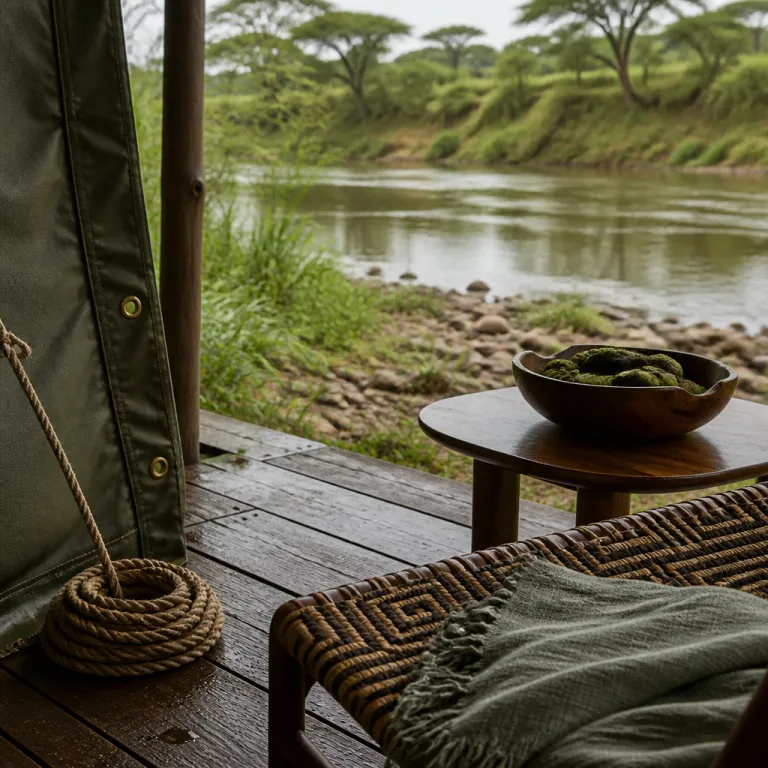
Why travellers from Kenya are drawn to mara river tented camp luxury
Kenyan travellers planning a high end safari often look beyond their borders to the Mara River Tented Camp experience in northern Tanzania. For many, combining a stay in the Maasai Mara with a few nights at Singita Mara River Tented Camp in the Lamai Triangle creates a seamless cross border journey that follows the wildlife. This approach lets you compare your favourite camp in Kenya with a riverfront tented sanctuary in Serengeti National Park, while keeping travel times and logistics under control.
Singita Mara River Tented Camp sits on a remote bend of the Mara River, in the far north of the Serengeti, where the famous migration herds frequently cross between Tanzania and Kenya. The camp is in the Lamai Triangle, a wedge of land in Serengeti National Park that faces the Maasai Mara ecosystem across the river, so you remain within the same wider wildlife corridor even as you change country. With just six canvas suites and a maximum of around 16 guests (data from Singita), this intimate tented camp feels familiar in comfort yet distinctly different in atmosphere for guests used to Kenya’s luxury safari standards.
When you book from a Kenyan based luxury and premium hotel platform, you can align your camp Mara stay in Kenya with a few nights at this intimate safari camp in Tanzania. Many travellers choose a tented lodge in the Mara for three nights, then fly directly to Lamai airstrip for another three nights at Singita Mara, keeping the focus on game drives and walking safari activities rather than on transfers. This twin centre strategy works especially well for families, because you can secure family tents in both destinations and keep the same style of tented accommodation throughout the trip.
Location, wildlife and migration timing around the mara river tented camp
The position of Singita Mara River Tented Camp in the Lamai Triangle is its greatest asset for wildlife viewing. This corner of Serengeti National Park borders the Maasai Mara and lies directly on several traditional migration routes, so guests often watch wildebeest and zebra crossing the Mara River from the comfort of the camp. Because the camp is in Tanzania rather than Kenya, you also gain relatively easy access to other national park regions such as central Serengeti and, on longer itineraries, the Ngorongoro Conservation Area.
From a Kenyan booking perspective, the key question is how to time your stay at a Mara tented property on each side of the border to follow the migration. The classic pattern is to spend early July in a lodge on the Kenyan side, then move to a riverbank tented camp like Singita Mara as the herds push deeper into the Lamai Triangle and northern Serengeti. During these weeks, game drives often focus on the river banks, while walking safaris explore quieter plains where predators track the herds away from the main crossing points.
Families planning from Nairobi often ask where to base themselves with children during peak migration months, and specialist Kenyan agencies frequently recommend a combination of a child friendly safari camp in the Mara and a carefully chosen tented camp in Lamai. For practical guidance on which properties handle younger guests best during this intense season, many travellers consult dedicated migration planning resources such as this guide to migration season lodges for July and August with children. With the right advice, you can secure family tents close to the Mara River while still keeping a safe distance from the busiest crossing points.
Inside Singita Mara River Tented Camp: design, service and sustainability
Singita Mara River Tented Camp is operated by Singita, a conservation focused company known for its refined tented lodge style across Tanzania, South Africa and beyond. According to Singita, the camp runs on a comprehensive solar powered system, which means every tented suite, the main house style lounge and the shared areas rely largely on renewable energy without sacrificing comfort. With only a handful of tents, including two family suites (data from Singita), the atmosphere feels more like a private river tented retreat than a conventional safari lodge.
The interiors blend canvas, timber and natural fabrics, creating a light, contemporary take on the classic safari camp aesthetic. Each tented suite faces the Mara River, so you can watch hippos and crocodiles from your deck between game drives or while enjoying quiet meals and beverages. Service is attentive but relaxed, with a small team of highly qualified guides and hosts who know both the Serengeti ecosystem and the expectations of guests arriving from Kenya’s top luxury properties; one Nairobi couple described the guiding as “as sharp as anything we’ve had in the Mara, but with an even wilder backdrop.”
For travellers comparing options within the broader Mara ecosystem, it helps to understand how Singita Mara differs from a Kenyan camp such as Encounter Mara, which is profiled in depth in this analysis of why Encounter Mara Camp is a standout tented camp. Singita Mara River Tented Camp offers a more remote, off the grid feel, with no permanent structures beyond the tents and main house, and a strong emphasis on walking safari activities when conditions allow. One Nairobi based family described their stay as “the wildest part of our trip, yet still incredibly comfortable,” highlighting how the Lamai Triangle setting gives Singita Mara a particularly dramatic relationship with the river and the migration.
Activities from the mara river tented camp: game drives, walking safaris and beyond
Days at Singita Mara River Tented Camp revolve around expertly guided game drives in open 4x4 vehicles, timed to catch the best light and wildlife activity. Because the camp sits inside Serengeti National Park, you have direct access to prime game viewing areas within minutes of leaving the tents, including river loops, open plains and rocky kopjes that attract big cats. The guiding team uses high quality binoculars and camera friendly vehicle setups, which suits photographers arriving from Kenya who are used to high standards of safari logistics.
When conditions and park regulations permit, guests can join a walking safari with armed guides, exploring the Lamai Triangle on foot at a slower pace. These walks reveal details that game drives often miss, such as tracks, plants and birdlife, and they create a deeper connection between the camp and the surrounding Serengeti landscape. For many travellers, alternating a morning walking safari with an afternoon drive becomes the ideal rhythm, especially during the migration when the Mara River banks can feel intense.
Back at camp, the main house style lounge and dining area provide a calm space to unwind between activities, with flexible meals and beverages tailored to your schedule rather than fixed hotel style sittings. Families appreciate the way the team adapts game drives and in camp activities to different ages, especially when using the spacious family tents that sit slightly back from the river for extra privacy. This balance of active exploration and relaxed downtime is what makes a tented lodge like Singita Mara River Tented Camp such a strong complement to a more structured Kenyan safari camp earlier in the itinerary.
How to integrate mara river tented camp into a wider East Africa itinerary
For travellers starting in Nairobi or Mombasa, the most efficient way to include Singita Mara River Tented Camp is to fly first to a camp Mara side in Kenya, then connect by light aircraft to the Lamai Triangle. This routing keeps border formalities simple and maximises your time in both the Maasai Mara National Reserve and Serengeti National Park, while minimising long road transfers. Many Kenyan based luxury booking platforms now offer dynamic packages that combine a Kenyan safari camp, a river tented camp in Tanzania and a coastal extension.
A classic circuit links a tented lodge in the Mara with Singita Mara in northern Serengeti, then continues to the Ngorongoro region for a stay near the Ngorongoro Crater before returning to Kenya. Some guests extend further into Tanzania to explore southern parks, or pair the trip with other countries such as Mozambique and Namibia for marine and desert contrasts. More ambitious travellers sometimes design multi country journeys that include Tanzania and Uganda for gorilla tracking, or Rwanda and Seychelles for a mix of rainforest and island relaxation after the intensity of the migration.
When planning online, look for Kenyan platforms that explain these cross border options clearly and show transparent data on flight durations, transfer costs and park fees. As an example, a family travelling in early August might spend three nights in a Maasai Mara tented camp, then take a roughly one hour light aircraft flight to the Lamai airstrip, with typical regional fares starting from a few hundred dollars per person depending on season. With the right guidance, you can move smoothly from a safari camp in Kenya to a tented camp in Tanzania, then on to coastal or island stays without losing the sense of narrative that ties the whole journey together.
Practical booking tips for Singita Mara River Tented Camp from Kenya
Securing a stay at Singita Mara River Tented Camp during peak migration requires early planning, especially if you need family tents or specific dates to match school holidays. Kenyan based agents who specialise in luxury safari camp itineraries can often access real time availability and hold provisional space while you finalise flights and connecting lodges. When comparing offers, pay close attention to what is included in the rate, particularly game drives, walking safari options and all meals and beverages.
Most premium packages for this tented camp operate on an almost fully inclusive basis, covering accommodation in spacious tents, shared game drives, park fees and most drinks. As an indicative figure, Singita’s published nightly rates for Mara River Tented Camp typically start from around USD 1,800 per person sharing in peak season, excluding some flights and conservation levies (data from Singita). Some itineraries also bundle charter flights between the Mara and Lamai Triangle, which simplifies logistics and can reduce the overall duration of travel days.
Guests travelling from Kenya should also consider luggage limits on mobile style safari flights, which usually restrict soft bags to around 15 kilograms per person. Packing light, neutral coloured clothing, a good camera and essential personal items keeps you within these limits while still feeling prepared for long days on safari. Because Singita Mara River Tented Camp relies on solar power and operates off grid, you can expect reliable charging points in the main house and tents, but it is still wise to bring spare batteries for cameras and binoculars to avoid missing key migration moments along the Mara River.
Conservation, community and why Singita Mara River Tented Camp matters
Choosing a Mara River tented camp with a strong conservation ethos has real impact on the Serengeti ecosystem that connects to Kenya’s Maasai Mara. Singita Mara River Tented Camp was designed as a low impact, solar powered safari camp that blends into the Lamai Triangle landscape while supporting wildlife protection and community projects. For travellers used to Kenya’s leading eco conscious lodges, this tented lodge offers a familiar balance of comfort and responsibility.
The camp works with local guides and conservation organisations to monitor wildlife movements, especially during the migration when pressure on the Mara River corridor is highest. By limiting the number of tents and capping guest numbers, Singita Mara helps reduce vehicle density on game drives and walking safari routes, which in turn protects sensitive habitats. This model mirrors best practice in Kenya’s private conservancies, where carefully managed safari camp operations have led to measurable gains in wildlife populations over the past decade.
Community engagement is another pillar, with training opportunities for local staff and support for education and healthcare projects in nearby villages, echoing similar initiatives around the Ngorongoro Crater and other Tanzanian parks. When you book this tented camp through a reputable Kenyan platform, you are not only securing a front row seat to the migration but also contributing to long term conservation and community development across the wider Mara Serengeti system. As the official information notes, “Guests can see wildebeest, zebras, big cats, elephants, and hippos.”
Key figures and facts about Singita Mara River Tented Camp
- Singita Mara River Tented Camp has six tents, including two family suites, and a low maximum capacity of around 16 guests, which keeps the guest to guide ratio low and ensures highly personalised game drives and service (data from Singita).
- The camp operates primarily on solar power, making it a largely off grid safari camp that significantly reduces diesel consumption and associated emissions compared with many conventional lodges in the region (data from Singita).
- The Lamai Triangle location places the camp within a core migration zone where wildebeest and zebra herds typically pass between July and September, aligning closely with peak season in Kenya’s Maasai Mara and allowing cross border itineraries to follow the same wildlife corridor.
- Family policies at Singita Mara River Tented Camp include a minimum age of 10 years for children in the main camp, which suits many Kenyan based families who are already familiar with similar recommendations in high density big game areas (data from Singita).
FAQ about Singita Mara River Tented Camp and the mara river area
What wildlife can I expect to see from Singita Mara River Tented Camp ?
Guests regularly encounter wildebeest, zebra, lions, leopards, elephants and hippos during game drives and sometimes directly from the camp’s river facing tents. The Mara River corridor is especially productive during the migration, when large herds gather at crossing points near the Lamai Triangle. Birdlife is also rich year round, with raptors, waterbirds and grassland species all present.
Is Singita Mara River Tented Camp suitable for families travelling from Kenya ?
The camp welcomes families and offers dedicated family tents that provide extra space and privacy. Activities such as shorter game drives, flexible meals and gentle walking experiences can be tailored to different ages, in line with the camp’s age guidelines and minimum age policy. Kenyan families often combine a stay here with a slightly more structured camp in the Maasai Mara to balance adventure and comfort.
When is the best time to visit the mara river tented camp for the migration ?
The most reliable period for seeing river crossings near the camp is typically from July to September, when the migration herds move through northern Serengeti. The broader dry season from June to October offers excellent game viewing even outside peak crossing weeks. Travellers from Kenya often coordinate their Mara and Serengeti stays to follow the herds as they shift between the two national parks.
How do I travel from Kenya to Singita Mara River Tented Camp ?
Most guests fly from Nairobi or a Mara airstrip to a connecting point in Tanzania, then continue by light aircraft to the Lamai airstrip near the camp. From there, a short game drive transfer brings you to the tents along the Mara River. Specialist Kenyan agencies and online platforms can package these flights with your camp bookings to simplify logistics.
What should I pack for a stay at this tented lodge on the mara river ?
Pack light, neutral coloured clothing, a warm layer for cool mornings, a hat, sunscreen and insect repellent, keeping in mind typical luggage limits of around 15 kilograms on safari flights. A good camera with spare batteries and binoculars will help you make the most of game drives and any walking safari activities. Comfortable closed shoes are essential, especially if you plan to join guided walks around the Lamai Triangle.