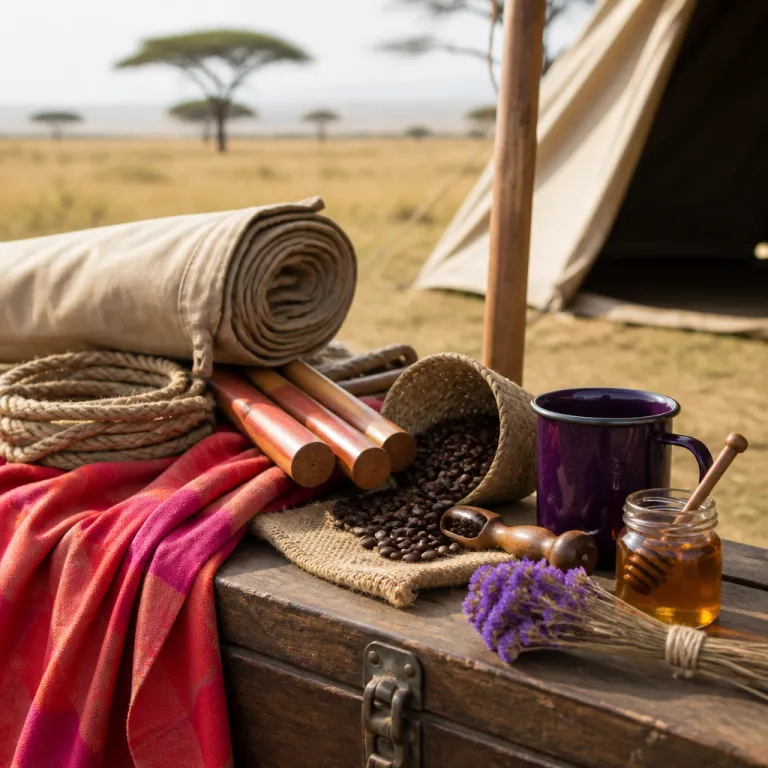
Why encounter mara camp is a standout in the mara ecosystem
Encounter Mara Camp sits inside the private Naboisho Conservancy, a roughly 200 square kilometre sanctuary within the greater Maasai Mara ecosystem. This tented camp is managed by Asilia Africa, a well-established East African safari operator, and has become a reference point in Kenya for travellers who want a quieter, more controlled safari experience than in the busy national reserve. With only 10 spacious tents, the camp keeps numbers low so each guest enjoys space, privacy, and attentive hosting (figures from Asilia Africa and specialist safari tour operators).
The conservancy model here in Kenya limits vehicle density, which means your game drives often feel like a private show in the bush. While the neighbouring Maasai Mara National Reserve can see many vehicles at a single sighting in high season, Naboisho enforces strict rules that protect wildlife and keep encounters respectful. This balance between access and protection is one reason seasoned Africa travellers repeatedly choose this intimate Mara camp over larger properties near the reserve boundary.
From the camp’s main deck you look across classic Maasai Mara plains, where giraffe, plains game, and elephant move between acacia stands and seasonal salt lick pans. At night the bush comes alive with sound, and the team often dims the lights so guests can listen to lions calling and hyenas whooping in the dark. One recent guest described it as “the closest we’ve come to feeling alone in the wild, with every comfort still at hand.” The atmosphere feels close to a traditional bush camp, yet the service, guiding, and food are firmly in the luxury category for discerning safari guests.
Location, wildlife and the character of naboisho conservancy
Staying at Encounter Mara means sleeping in the heart of the Naboisho Conservancy, one of the most wildlife-rich corners of the greater Maasai Mara. This conservancy borders other protected areas such as Mara North Conservancy and the Maasai Mara National Reserve, creating open corridors for animals to move freely across the wider landscape. Because livestock grazing and vehicle numbers are carefully managed, game densities here rival many parts of the main reserve while still feeling uncrowded.
Guests regularly encounter lions, cheetahs, elephants, and large herds of plains game during both day and night game drives from the camp. Guides know the bush intimately and time each safari to avoid congestion, which is easier here than in the busier sections of the national reserve. When the Great Migration pushes into the Maasai Mara and the surrounding grasslands fill with wildebeest, Naboisho Conservancy becomes a quieter base from which to explore the wider Mara ecosystem.
The camp also works closely with local Maasai communities who own the land that forms the conservancy, ensuring tourism revenue and fair lease payments support families as well as wildlife. Cultural visits are offered with sensitivity, allowing guests to meet Maasai hosts in their manyattas without turning daily life into a show. For travellers comparing options like Ol Seki Hemingways Mara in the same region, this emphasis on community partnership and low-impact tourism is a key factor when choosing an intimate safari camp in the heart of the Maasai Mara.
Life in camp: tents, service and what to expect per person per night
With only 10 tents, Encounter Mara Camp feels personal, calm, and quietly luxurious. Each tented suite is raised slightly above the bush, giving views over the plains where wildlife often grazes within sight of your veranda. Canvas walls, soft linens, en suite bathrooms with hot running water, and flushing toilets create the atmosphere of a classic bush camp while still providing comfortable beds and hot showers after long game drives.
Rates at this Mara camp are usually quoted per person per night and typically include full board, conservancy fees, and scheduled safari activities. In high season, when the Maasai Mara and the nearby national reserve are at their busiest, these prices reflect both the quality of guiding and the exclusivity of the Naboisho Conservancy. Travellers planning a Kenya safari for several generations or a group of friends should factor in that private conservancies often deliver better value per person per night than some larger lodges inside the reserve, especially when you consider the flexibility of activities.
Service in camp is attentive without being intrusive, and the team knows how to pace your time so you never feel rushed. Meals are often served communally, which suits guests who enjoy sharing stories of wildlife encounters from different parts of Africa, though private dining can usually be arranged on request. For families or multi-generational groups planning a Kenya trip that works for everyone, resources such as this guide to three generations on safari can help you match the camp’s style, activity options, and level of adventure with your group’s expectations.
Safari activities: game drives, walking safaris and night drives
Days at Encounter Mara revolve around the rhythm of the bush, with early starts and long, unhurried game drives. Guides use open-sided 4x4 vehicles that allow excellent views of wildlife, whether you are watching a pride of lions on a salt lick or scanning for cheetah on the open plains. Because the camp operates in a private conservancy rather than only in the Maasai Mara National Reserve, vehicles can leave the tracks in certain areas and stay longer at sightings when conditions allow.
In response to guest questions, the camp team confirms that “Game drives, walking safaris, night drives, cultural visits.” are all offered as part of the experience. Walking safaris provide a different way to encounter the bush, focusing on tracks, plants, and smaller creatures that are often missed from a vehicle. Night drives, which are not allowed inside the main national reserve, are a particular highlight here, revealing nocturnal wildlife and the intense soundscape of the African night.
For travellers comparing different camps in the Maasai Mara and beyond, it is worth noting that some properties, such as Kicheche camps in the northern conservancy areas, offer similar activity portfolios. However, the specific character of Naboisho Conservancy, with its mix of open plains and thicker bush, gives night drives from Encounter Mara a distinctive feel. If you are building a longer Kenya itinerary that includes other romantic or design-forward stays, this curated list of the best hotels in Kenya for couples who want more than the game drive photo can help you connect the dots between safari, city breaks, and the coast.
When to go: best time to visit, seasons and wildlife patterns
Choosing the right time to visit Encounter Mara Camp depends on what you want from your safari. The camp operates year round, and each season in the Maasai Mara and the wider Mara ecosystem brings different wildlife highlights and different light for photography. High season usually coincides with the arrival of the Great Migration in this part of Kenya, when huge herds of wildebeest and zebra move between the Maasai Mara and the Serengeti.
During these peak months, rates per person per night at this tented camp are higher, and availability in both Naboisho Conservancy and the main national reserve can be tight. Travellers who prefer quieter sightings and more time with predators often choose the shoulder months, when resident game is still abundant but vehicle numbers are lower. Because the conservancy holds water and grazing even when other areas dry, wildlife remains in the area for much of the year, making this Mara camp a reliable choice outside the absolute peak.
Light showers can transform the bush into a vivid green, and this is often a beautiful time to visit for photographers. Cooler nights make campfires especially appealing, and the sounds of the African night feel sharper when the air is clear. Whenever you choose your time to visit, packing light clothing, a warm layer for early drives, binoculars, and insect repellent will serve you well in this part of Kenya.
Conservation, community partnerships and how your stay makes a difference
Encounter Mara Camp is more than a comfortable place to sleep between game drives in the Maasai Mara. The camp sits on land leased from local Maasai families, and conservancy fees built into your nightly rates help fund both wildlife protection and community projects. This model has turned Naboisho Conservancy into a case study for how tourism, conservation, and pastoralist livelihoods can coexist in one shared Mara ecosystem (information from Naboisho Conservancy partners and regional conservation reports).
Asilia Africa, which manages the camp, has invested in eco-friendly operations that reduce pressure on the bush while still delivering a premium guest experience. Solar power, careful water use, and low-impact building techniques help the camp blend into its surroundings, preserving the feeling of a traditional bush camp rather than a large lodge. Partnerships with conservation organisations and local schools ensure that revenue from each person per night staying at the Mara camp supports long-term projects rather than short-term fixes.
For travellers comparing different conservancy options such as Mara North Conservancy or other northern wildlife areas, it is worth looking at how each camp structures its community agreements. Some, including Kicheche properties, operate in similar ways, but the specific arrangements in Naboisho Conservancy give Encounter Mara a distinct role in this part of Kenya. If you are planning a broader itinerary that includes other camps in the Maasai Mara or beyond, reading in-depth trip reports and expert reviews can help you choose stays that align with your values as well as your comfort expectations.
Key figures and practical statistics for encounter mara camp
- Encounter Mara Camp has 10 tents, which keeps guest numbers low and supports an intimate safari atmosphere compared with larger properties that may host several dozen rooms on similar land areas (data from Asilia Africa, Jacada Travel, and other specialist tour operators).
- Naboisho Conservancy covers about 200 square kilometres, giving wildlife and guests more space than many single concessions while still being smaller and more controlled than the main Maasai Mara National Reserve (data from Naboisho Conservancy, Elephant Garden Safaris, and regional conservation sources).
- Children aged 5 and above are welcome at the camp, making it suitable for families who want a genuine safari experience without compromising safety and guiding quality for younger travellers (camp policy information from Asilia Africa and specialist safari operators).
- The conservancy model used in Naboisho has contributed to increased eco-tourism, a rising interest in cultural experiences, and growing demand for private conservancies across Kenya, as travellers seek alternatives to crowded hotspots in the central reserve.
Frequently asked questions about encounter mara camp
What activities are offered at encounter mara camp ?
Guests at Encounter Mara Camp can join guided game drives, walking safaris, night drives, and cultural visits with local Maasai hosts. These activities are led by qualified guides using open 4x4 vehicles and established walking routes within Naboisho Conservancy. Night drives are a particular highlight because they are not allowed inside the main Maasai Mara National Reserve.
Is encounter mara camp family friendly for children ?
Yes, Encounter Mara Camp welcomes children aged 5 and above, making it suitable for families who want an authentic yet comfortable safari. The small size of the camp allows staff to tailor mealtimes and activities to younger guests when possible. Families planning multi-generational trips can combine this camp with other Kenya properties that cater specifically to children and grandparents.
What wildlife can I expect to see around the camp ?
The Naboisho Conservancy holds high densities of lions, cheetahs, elephants, giraffes, and a wide range of plains game. Because the conservancy connects to the wider Mara ecosystem, wildlife moves freely between Naboisho, Mara North Conservancy, and the Maasai Mara National Reserve. During the period of the Great Migration, large herds of wildebeest and zebra may also pass through or near the conservancy.
How does naboisho conservancy differ from the main masai mara reserve ?
Naboisho Conservancy is privately managed with strict limits on vehicle numbers, off-road driving rules, and land use, which creates a quieter and more controlled safari experience. The main Maasai Mara National Reserve offers iconic scenery and migration crossings but can feel crowded in high season, especially near river viewpoints. Many travellers choose to stay in a conservancy such as Naboisho and then make a day trip into the national reserve for specific sights.
What should I pack for a stay at encounter mara camp in kenya ?
Pack light, neutral-coloured clothing, a warm layer for cool mornings and evenings, and comfortable closed shoes for walking safaris. Binoculars and a good camera will help you make the most of game drives, while insect repellent and sun protection are essential in this part of Africa. Soft-sided luggage is preferred because small aircraft serving the Maasai Mara and surrounding conservancies often have strict weight and size limits.