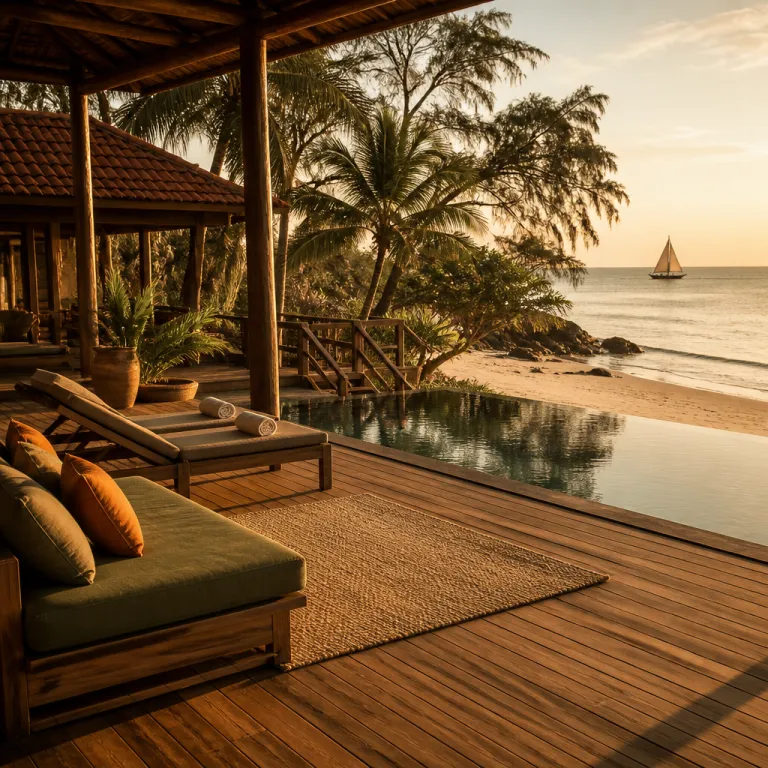
Why luxury travellers are drawn to the beaches in Kenya
The beaches in Kenya stretch for about 536 km along the Indian Ocean coast, offering a rare blend of tropical ease and cultural depth. Kenya’s shoreline combines white-sand bays, warm marine waters, and Swahili heritage in a way that feels both relaxed and refined for a luxury beach holiday. Along this coastal strip, high-end properties now rival the best resorts in East Africa while keeping a strong sense of place.
The Kenya National Bureau of Statistics, in its Economic Survey 2022, confirms this 536 km coastline, while the Kenya Tourism Board’s 2023 coastal tourism briefs highlight how each major stretch of shore can be part of a wider journey that includes marine parks, dhow cruises, and even a short inland safari. These official updates emphasise planning around the drier months and using licensed operators, which is especially relevant when you arrange premium stays and private transfers between the seaside and a national park. For travellers who want to combine several coastal areas that Kenya offers, the most popular periods usually align with the dry seasons, when sea conditions favour water sports and scuba diving.
Luxury guests often arrive in Mombasa first, then fan out along the Kenyan coast to Diani, Watamu, Malindi, and Lamu Island. Each beach cluster has its own character, from lively Nyali Beach near the city to quieter coves such as Tiwi Beach further south. As one long-time coastal guide in Mombasa puts it, “You can wake up with city energy in Nyali and fall asleep to nothing but waves in Tiwi, all in the same day.” Choosing the best beaches for your itinerary depends on whether you prioritise a serene beach resort, easy access to cultural excursions, or quick connections to inland safari lodges in Africa.
Diani Beach and the south coast: barefoot luxury on white sand
Diani Beach is often cited as one of the best beaches in Kenya for travellers who want a polished resort scene without losing the feeling of a natural shoreline. Here, the white sand stretches for kilometres, backed by palm trees and a curated line of luxury hotels and villas that open directly onto the coast. At low tide, the lagoon reveals sandbars where guests can walk far into the Indian Ocean shallows before returning to their beach resort for sunset cocktails.
High-end properties along Diani and Tiwi Beach focus on privacy, attentive service, and easy access to water sports such as kitesurfing, stand-up paddleboarding, and guided scuba diving trips to nearby reefs. Well-known options such as Almanara Luxury Villas, The Sands at Nomad, and AfroChic Diani often partner with established local tour operators, who arrange marine excursions, cultural visits, and even day trips to Shimba Hills National Reserve, which functions almost like a compact national park experience close to the coast. For travellers comparing safari and sea, this part of the Kenyan shoreline makes it simple to enjoy both in a single stay, with road transfers from Diani to Shimba Hills typically taking about 1 to 1.5 hours each way.
When you evaluate the best time for a Diani Beach holiday, consider both weather and sea conditions, because wind patterns influence visibility for scuba diving and snorkelling. The dry months usually provide the best balance of sunshine and calm seas, making it an ideal time to visit if you want to combine Diani with a longer journey across beaches in Kenya. As a rough guide, a five-night stay in a high-end Diani resort, including private transfers and a couple of guided excursions, can start from around US$3,000 to US$4,500 per couple, depending on season and room category, illustrating how a coastal resort in Kenya can outclass a purely inland itinerary in terms of variety and comfort.
Watamu, Malindi and the marine parks of the north coast
North of Mombasa, the beaches in Kenya around Watamu and Malindi appeal strongly to travellers who prioritise marine life and quieter luxury. Watamu Beach curves around a protected bay, where the white sand meets clear turquoise water inside a designated marine reserve. This setting allows high-end hotels and villas to offer direct access to coral gardens, making it one of the best beaches for snorkelling and gentle water sports.
Malindi and Watamu sit close to officially protected marine areas, where local tour operators organise glass-bottom boat trips, guided snorkelling, and scuba diving with licensed crews. These marine excursions are central to many coastal itineraries, especially for guests who want to balance poolside relaxation with active exploration of the Indian Ocean. The Kenya Tourism Board’s coastal destination reports note that Kenya offers diverse beaches along the Indian Ocean, and this diversity is especially visible when you compare the calm coves of Watamu with the broader, livelier sands near Mombasa.
Luxury travellers often split their time between a beach resort in Watamu and a few nights in Malindi, using private transfers to move along the Kenyan coast. This approach allows you to sample different seaside settings that Kenya offers without constant packing and unpacking, while still enjoying consistent service standards. For example, a week-long itinerary might include three nights at a boutique property such as Hemingways Watamu, followed by three nights in a Malindi villa, with the 30–45 minute road transfer between the two arranged by your hotel; for a curated perspective on high-end stays along this shoreline, including Lamu, Watamu, and lesser-known stretches of the coast, consider this in-depth guide to the Indian Ocean side of luxury in Kenya.
Lamu island and heritage rich retreats on the kenyan coast
Lamu Island offers a very different expression of the beaches in Kenya, with its car-free lanes, Swahili architecture, and slow rhythm shaped by tides and trade winds. Here, the beach is only part of the appeal, as many luxury properties sit slightly above the shore, overlooking mangroves, channels, and long sweeps of white sand. Guests often arrive by boat, which immediately sets a more intimate tone than the larger hubs of Mombasa or Malindi.
On Lamu Island, high-end stays range from restored Swahili mansions in Lamu Town to secluded villas near Shela Beach, where the dunes roll gently down to the Indian Ocean. These coastal hideaways feel remote yet connected, with dhow trips, yoga retreats, and curated cultural walks led by local guides who share the layered history of the archipelago. Because of the island setting, the best time to visit often depends on your tolerance for heat and humidity, as well as your interest in local festivals and sailing conditions.
Many travellers pair Lamu with other beaches in Kenya, starting with a few nights on a livelier stretch such as Nyali Beach or Diani, then flying north for a quieter finale. This combination highlights how the Kenyan coast can support very different styles of beach holiday within a single trip, from active water sports to contemplative days on near-empty sands. When you plan your time to visit several islands and beaches, factor in flight schedules and boat transfers, as these can shape the rhythm of your overall travel experience; for instance, a direct flight from Nairobi to Lamu typically takes about 1.5 hours, followed by a short boat ride to your chosen retreat.
Combining safari, national parks and coastal luxury in one itinerary
One of the strongest advantages of planning a stay along the beaches in Kenya is the ease of combining them with a safari in a nearby national park. Many luxury travellers fly into Nairobi, spend several days on safari in iconic reserves, then end with a beach retreat on the Kenyan coast. This pattern allows you to experience both the wildlife of inland Africa and the marine life of the Indian Ocean within a single, coherent journey.
From Mombasa, it is relatively straightforward to connect a beach resort stay with Tsavo East or Tsavo West, which are among the closest major parks to the coast. Some high-end operators arrange seamless transfers that move you from a tented safari camp to a white-sand beach in a single day, minimising travel fatigue. For families or multi-generational groups, this kind of combined safari and beach holiday can work especially well, and you can find detailed planning advice in this guide to multi-generational Kenya trips that balance safari and sea.
When you decide on the best time to visit both parks and beaches, remember that wildlife viewing and marine conditions do not always peak in the same month. Dry seasons usually favour game viewing and also tend to bring clearer seas for scuba diving and other water sports along the coast. To make the most of your time to visit, work with reputable local tour operators and hotels that understand both sides of the journey and can coordinate flights, transfers, and activities across the Kenyan coast and inland reserves; a classic ten-night safari-and-sea itinerary, including internal flights and upscale lodges, often starts from around US$6,000 to US$8,000 per couple.
How to choose the right luxury beach resort along Kenya’s coast
Selecting the right beach resort along the beaches in Kenya starts with clarifying what you value most in a coastal stay. Some travellers prioritise direct beach access and uninterrupted white-sand views, while others care more about spa facilities, fine dining, or proximity to cultural sites. On the Kenyan coast, you can find properties that specialise in wellness, family-friendly services, or ultra-private villas with dedicated staff.
In areas such as Diani Beach, Nyali Beach, Watamu Beach, and Tiwi Beach, you will see a spectrum of options, from large integrated resorts to intimate villa-style properties. When you compare these seaside areas, look closely at how each resort manages its stretch of sand, its marine activities, and its relationship with local communities. Many leading hotels now support eco-friendly tourism initiatives, aligning with national goals to preserve marine habitats and boost the local economy through responsible travel.
Practical details also matter when you evaluate the best beaches for your itinerary, including transfer times from airports, availability of licensed scuba diving centres, and the range of water sports on offer. The best time to visit a specific beach may depend on whether you want calm seas for swimming, stronger winds for kitesurfing, or cooler evenings for long walks along the sand. By matching your preferred style of beach holiday with the strengths of each coastal area, you can create a journey that feels both luxurious and deeply connected to the character of the Kenyan coast.
Key figures about Kenya’s coastline and tourism
- Kenya’s coastline runs for approximately 536 km along the Indian Ocean, according to the Kenya National Bureau of Statistics Economic Survey 2022, giving travellers a wide choice of beaches in Kenya from Lamu Island in the north to Diani Beach in the south.
- The Kenya Tourism Board reported close to 1.9 million international tourist arrivals in 2022 in its tourism performance updates, and a significant share of these visitors include at least one coastal stay on the Kenyan shore as part of their itinerary.
- Dry seasons, typically spanning two main periods in the year, are considered the best time to visit both national parks and seaside areas, because road conditions inland improve while marine visibility along the coast often increases.
- Eco-tourism, cultural tourism, and adventure sports such as scuba diving and other water sports are highlighted by national stakeholders as priority activities, reflecting a strategy to balance beach holiday growth with conservation of marine and coastal habitats.
FAQ about luxury stays on the beaches in Kenya
What is the best time to visit Kenya’s beaches for a luxury stay ?
The best time to visit the beaches in Kenya is during the dry seasons, when skies are clearer and sea conditions are generally calmer. In practice, many travellers target December to March and July to October, which usually provide ideal conditions for combining a coastal holiday with inland safari experiences.
Are Kenya’s beaches safe for swimming and water sports ?
Many coastal areas, especially those protected by coral reefs such as parts of Diani Beach and Watamu Beach, are considered safe for swimming in designated zones. Always follow local lifeguard advice, pay attention to tide information, and use reputable operators for scuba diving and other water sports along the Kenyan coast.
What activities can I expect during a luxury beach holiday in Kenya ?
High-end stays along the beaches in Kenya typically include swimming, snorkelling, scuba diving, kite surfing, dhow cruises, and curated cultural tours in coastal towns. Many luxury resorts also offer spa treatments, private dining on the sand, and tailored excursions to nearby national parks.
How can I ensure my beach travel is eco friendly and respectful ?
To support eco-friendly tourism along the Kenyan coast, choose a beach resort that participates in marine conservation, waste reduction, and community partnerships. Respect local customs and the environment by dressing modestly away from the beach, avoiding single-use plastics where possible, and not touching coral or marine life during water sports. Using reputable local tour operators also helps ensure that your beach holiday contributes positively to both the environment and local livelihoods.
Is it easy to combine different beaches in Kenya in one trip ?
It is quite feasible to combine several beaches in Kenya, such as Diani, Watamu, Malindi, and Lamu Island, within a single itinerary. Domestic flights, private road transfers, and boat connections along the Kenyan coast make it possible to move between seaside regions while maintaining a high level of comfort. When planning your time to visit multiple areas, allow for transfer days and work with experienced travel planners who understand both the marine and inland logistics of East Africa.