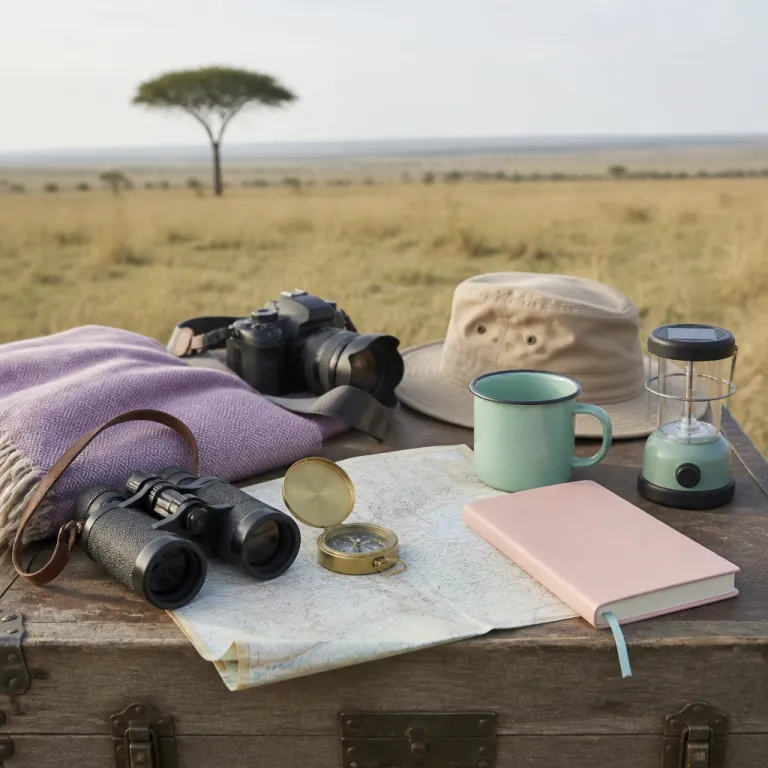
Ol Seki Hemingways Mara within the wider Maasai Mara ecosystem
Ol Seki Hemingways Mara sits in the eastern reaches of the greater Maasai Mara ecosystem, inside the 200 km² Mara Naboisho Conservancy of south western Kenya. According to the Mara Naboisho Conservancy Trust, this community conservancy was formally established in 2010 and today protects roughly 50,000 acres of former pastoral land under a long term lease model. This location gives you direct access to classic Maasai Mara safari areas while keeping you away from the busiest sections of the national reserve during peak game viewing seasons. For many travellers planning a Kenya trip, this balance between wilderness, privacy and responsible tourism is the defining luxury.
The camp is part of the respected Hemingways Collection, which operates several premium properties across Kenya and has long experience in high end safari accommodation. Here, the focus is on an intimate tented camp experience with only ten spacious tents positioned along a ridge that overlooks the rolling plains of Mara Naboisho Conservancy. Hemingways’ own materials confirm that Ol Seki Hemingways Mara is capped at ten tented suites, ensuring low guest numbers and a high staff to guest ratio. You feel close to the wildlife rich landscape, yet the design and service standards match what seasoned Africa travellers expect from a top tier Maasai Mara lodge.
Staying in this part of the Maasai Mara rather than directly inside the national reserve changes the rhythm of your safari days. Because Mara Naboisho Conservancy is privately managed, vehicles from Ol Seki Hemingways Mara can leave camp early and return after dark, which is not always possible inside the Maasai Mara National Reserve. That flexibility allows your guide to time each game drive around actual wildlife movements instead of rigid gate hours, which often leads to quieter sightings and more rewarding photography.
The conservancy model also limits vehicle density, so even during busy months you rarely share a sighting with more than a handful of other safari vehicles. In contrast, some sections of the central Maasai Mara National Reserve and the Mara River crossings can attract dozens of vehicles around a single big cat or dramatic scene. One recent guest review on a major travel platform described Mara Naboisho as “the first place in the Mara where we watched a cheetah hunt with only two other vehicles in sight,” a comment that echoes many travellers who split their nights between a conservancy lodge and a camp closer to the Mara River and later note that Naboisho feels more exclusive, especially for families and couples seeking calm.
From a conservation perspective, Mara Naboisho Conservancy and neighbouring areas such as Mara North Conservancy and the wider northern conservancy blocks form crucial corridors for wildlife moving between the Maasai Mara and the Loita plains. By choosing a safari camp like Ol Seki Hemingways Mara inside a conservancy, your nightly conservation fees directly support Maasai landowners who lease their land to the conservancy. Publicly available conservancy reports explain that these fees fund land lease payments, anti poaching patrols and habitat management, helping maintain open rangelands for wildlife instead of fencing them for agriculture or other uses.
Travellers sometimes worry that staying outside the official national reserve might mean fewer animals or less dramatic game viewing. In practice, the opposite is often true in Mara Naboisho Conservancy, where densities of lion, cheetah and plains game are consistently high and off road driving is allowed under strict guidelines. For guests who still want to experience the iconic Mara River scenes inside the national reserve, the camp team can arrange a full day excursion that combines a scenic drive through the conservancy with a picnic near the river and a return to Ol Seki Hemingways Mara by late afternoon.
The character of the camp and its tented accommodation
Ol Seki Hemingways Mara is deliberately small, with just ten canvas tents arranged to maximise privacy and sweeping views across the conservancy. Each tented suite is elevated on a wooden platform, with floor to ceiling mesh panels that open to the plains and let you watch passing game from the comfort of your bed. The atmosphere feels more like a refined safari camp than a traditional brick and mortar lodge, yet comfort levels remain firmly in the luxury category.
Standard tents at this Maasai Mara camp are generous in size, typically including a bedroom, lounge area and en suite bathroom with hot running water and flush toilets. Families or small groups can opt for larger suites at Ol Seki Hemingways Mara, where two tents are linked by a shared living space to create a private safari camp within the camp. These configurations work well for multi generational trips, especially when combined with a dedicated vehicle and guide for flexible game drives. For readers comparing refined safari lodges across Kenya, a detailed guide such as Kenya’s most refined safari lodges and how to book them with confidence can help position Ol Seki Hemingways Mara within a broader shortlist.
The main mess tent and lounge form the social heart of the camp, where guests gather between activities for meals, tea and evening drinks. Here, the design blends neutral tones, natural textures and subtle references to the surrounding Maasai culture without overwhelming the sense of place. On warm afternoons, the small swimming pool offers a welcome pause between morning and afternoon game drives, especially for guests staying several nights who appreciate a slower day in camp.
Because the camp is unfenced, wildlife frequently moves through the surrounding bush and sometimes close to the tents, particularly at night. For safety, Maasai askaris escort guests between the main areas and their tents after dark, and the team provides clear briefings on how to move around camp. This combination of close wildlife encounters and careful guiding is part of what defines Ol Seki Hemingways Mara as a serious safari camp rather than a generic lodge in a fenced reserve.
Guests who value quiet often choose Ol Seki Hemingways Mara over larger properties closer to the main Maasai Mara National Reserve gates. With fewer tents and a low guest count, the camp can tailor meal times, private dining setups and even game drive schedules to individual preferences. That flexibility is particularly appreciated by photographers, honeymooners and families who want to avoid rigid group timetables during their Kenya trip.
When you evaluate accommodation options in the Maasai Mara, it helps to read detailed guest reviews that comment on tent quality, service consistency and guiding standards. Many travellers highlight the attentive yet unobtrusive service at this Hemingways camp, noting that staff quickly learn personal preferences over a multi night stay. One frequently cited comment on review sites mentions that “within 24 hours the team knew how we liked our coffee and had set up a surprise private dinner on the deck,” and if you have specific requirements, such as accessibility needs or dietary restrictions, contacting the camp in advance through the official Hemingways email address allows the team to prepare accordingly.
Safari activities, game drives and daily rhythm
A typical day at Ol Seki Hemingways Mara starts before sunrise, when guests gather for coffee and a light snack before heading out on the first game drive. Early morning is prime time for predators in the Maasai Mara, and guides often focus on tracking lions, cheetahs and hyenas as they finish their night’s activities. As the light softens over the conservancy, you may also encounter large herds of plains game such as wildebeest, zebra and gazelle moving across the open grasslands.
Guided game drives in Mara Naboisho Conservancy use open sided 4x4 vehicles equipped with binoculars and blankets for the cooler early hours. Because this is a private conservancy rather than a section of the national reserve, guides from Ol Seki Hemingways Mara can drive off road when appropriate to follow wildlife, always respecting distance and behaviour. That flexibility often leads to more intimate sightings than in busier safari areas, where strict track rules and higher vehicle numbers can limit viewing angles.
After several hours exploring the conservancy, vehicles usually stop at a scenic spot for bush breakfast before returning to camp by late morning. Guests then have time to relax by the swimming pool, sort photographs or simply watch the plains from the main deck as the heat builds over the Mara ecosystem. Families planning a Kenya trip across generations often appreciate this mid day pause, and resources such as how to plan a Kenya trip that works for everyone can help structure days so that children and older travellers both feel comfortable.
Afternoon activities usually begin around 16:00, when temperatures ease and animals become active again. Guests can choose another game drive, a guided bush walk in designated areas of the conservancy or a cultural visit to a nearby Maasai community. Because Mara Naboisho Conservancy is jointly managed with local Maasai landowners, these visits are structured to respect community schedules and to give guests a grounded sense of how traditional pastoral life coexists with modern safari tourism.
As the sun sets over the Maasai Mara, vehicles often stop for sundowners at a viewpoint before returning to camp under a darkening sky. In a private conservancy like Mara Naboisho, guides can sometimes extend drives into early night hours, using spotlights to look for nocturnal species such as civets, genets and owls. This after dark element is rarely possible inside the main Maasai Mara National Reserve, where gate times are more strictly enforced.
For guests staying several nights at Ol Seki Hemingways Mara, the team can arrange a full day excursion into the official national reserve or towards the Mara River. Such a day trip allows you to experience iconic river scenery and, in some seasons, large herds moving through the wider Mara north and central sectors. Back at camp, evening campfires and shared stories with guides and fellow travellers round out the rhythm of a classic Africa safari day.
Location, access and how Naboisho Conservancy compares
Reaching Ol Seki Hemingways Mara usually involves a flight from Nairobi’s domestic airport to one of the airstrips serving the Maasai Mara region. From there, a camp vehicle meets you for a game drive style transfer through Mara Naboisho Conservancy, which often delivers your first sightings of giraffe, antelope and sometimes big cats. This combination of quick air access and immediate immersion in wildlife makes the camp suitable even for shorter trips of three or four nights.
Mara Naboisho Conservancy lies to the north east of the main Maasai Mara National Reserve, forming part of a mosaic of protected and community lands that together sustain the broader Mara ecosystem. Compared with some sections of the central reserve, Naboisho typically has fewer vehicles and a stronger emphasis on low impact tourism, with a limited number of beds per square kilometre. For guests, that translates into quieter sightings, more flexible game drives and a sense that the landscape belongs first to the wildlife and local Maasai communities.
When comparing Mara Naboisho with other conservancies such as Mara North Conservancy or the more general northern conservancy blocks, the key differences often relate to habitat type and lodge density. Mara North has a mix of riverine forest and open plains along sections of the Mara River, while Naboisho is characterised by rolling grasslands, acacia thickets and seasonal watercourses. Both areas offer excellent game viewing, but travellers who prefer fewer camps and a slightly more remote feel often gravitate towards Naboisho and properties like Ol Seki Hemingways Mara.
Because Mara Naboisho Conservancy is privately managed, it can enforce strict rules on vehicle numbers at sightings, off road driving protocols and guiding standards. This structure contrasts with some parts of the national reserve, where enforcement can be uneven and popular sightings may attract many vehicles at once. Guests at Ol Seki Hemingways Mara often comment in reviews that the conservancy’s regulations enhance their experience, especially when watching sensitive species such as cheetah with minimal disturbance.
From a practical standpoint, staying in a conservancy based safari camp does not prevent you from visiting the official Maasai Mara National Reserve. The team at this Hemingways camp can arrange permits and full day excursions that combine the best of both worlds, including time near the Mara River and other classic viewpoints. You return to the quieter atmosphere of camp in the evening, avoiding the busier lodges clustered near the main reserve gates.
Travellers planning a longer Kenya itinerary often pair Ol Seki Hemingways Mara with coastal stays or other inland reserves, using Nairobi as a hub. For those comparing multiple high end properties, curated resources such as a curated list for couples who want more than the game drive photo can help refine choices. In every case, understanding how conservancies like Mara Naboisho function will help you interpret price differences and appreciate why a stay here often feels more exclusive than in busier parts of the Maasai Mara.
Community, conservation and the role of the Maasai
Ol Seki Hemingways Mara operates within Mara Naboisho Conservancy, which is built on land leased from hundreds of individual Maasai landowners. Instead of fragmenting their holdings with fences or agriculture, these landowners receive lease payments funded by conservancy fees collected from safari camps and guests. When you stay at this camp, a portion of your nightly rate directly supports that structure and helps maintain open rangelands for wildlife.
The partnership between Hemingways and local Maasai communities extends beyond financial arrangements into employment, guiding and cultural exchange. Many staff members at the camp, including guides and askaris, come from nearby villages and bring deep knowledge of the land, wildlife behaviour and traditional practices. Cultural visits arranged through the camp allow guests to see aspects of daily life, from livestock management to beadwork, in a way that respects community schedules and priorities.
Conservation organisations working in the Mara ecosystem often highlight Mara Naboisho Conservancy as a model for balancing tourism, wildlife protection and community benefits. With a limited number of safari camp beds and strict rules on vehicle density, the conservancy reduces pressure on habitats while still generating meaningful income for landowners. This approach contrasts with some unregulated safari areas, where rapid lodge development can strain resources and undermine long term sustainability.
Guests at Ol Seki Hemingways Mara can see the results of this model during game drives, where large herds of plains game share space with cattle in carefully managed grazing systems. Guides explain how rotational grazing and seasonal movements help maintain grassland health, benefiting both livestock and wild herbivores. Over time, this kind of integrated management supports predator populations, which in turn attract travellers seeking authentic big cat sightings in the Maasai Mara.
For many visitors, meeting Maasai guides and hearing their perspectives on land, wildlife and tourism becomes a highlight of the trip. Conversations around the campfire often range from traditional rites of passage to modern education and conservation challenges, giving context to the landscapes seen during the day. These interactions help guests understand that the success of places like Mara Naboisho Conservancy depends on ongoing collaboration between communities, operators and conservation partners.
When you evaluate different lodges and camps across Kenya, it is worth asking how each property engages with local communities and conservation initiatives. Ol Seki Hemingways Mara positions itself clearly within this space, aligning with partners who prioritise habitat protection and community benefits. For travellers who want their nights in the Maasai Mara to contribute positively beyond the immediate safari experience, that alignment can be a decisive factor when choosing where to stay.
Planning your stay, practical details and how to book
Most guests spend between three and five nights at Ol Seki Hemingways Mara, which allows enough time to explore Mara Naboisho Conservancy and, if desired, include a full day in the main Maasai Mara National Reserve. Shorter stays of two nights can work for travellers combining several Kenya destinations, but a longer visit gives you a better chance of varied sightings and relaxed time in camp. When planning your trip, consider how many days you want to dedicate to the Maasai Mara compared with other regions such as Laikipia or the Kenyan coast.
Booking this camp is usually done through specialist tour operators, trusted online platforms or directly with the Hemingways Collection reservations team. Direct enquiries typically go through the central Hemingways email address listed on the official website, where staff can advise on availability, seasonal rates and any current offers. Because Ol Seki Hemingways Mara has only ten tents, securing space during peak migration months requires early planning, especially for families needing multiple tents or private vehicles.
When comparing options, pay attention to what is included in the nightly rate, as many safari packages at this level operate on a mostly inclusive basis. At Ol Seki Hemingways Mara, rates generally cover accommodation, meals, most drinks, shared game drives and conservancy fees, while some premium beverages or external activities may carry supplements. Clarifying these details in advance helps you compare this camp fairly with other lodges in the Maasai Mara and beyond.
Packing for a stay in Mara Naboisho Conservancy follows the usual guidelines for a Kenya safari, with neutral coloured clothing, layers for cool mornings and evenings, and a good camera with spare batteries. Because luggage on domestic flights is often limited to soft bags of around 15 to 20 kilograms, it makes sense to pack light and use the camp’s laundry service for longer stays. Insect repellent, sun protection and any personal medications should be in your hand luggage, as flights into the Mara ecosystem can sometimes be affected by weather.
Families considering Ol Seki Hemingways Mara often ask whether the camp is suitable for children and multi generational groups. The property does welcome families and can configure tents and activities to suit different ages, including shorter game drives and flexible meal times when needed. As the camp itself notes in its own materials, “Game drives, bush walks, and cultural visits.” are among the core activities, which can be tailored to match your group’s energy levels and interests.
Before finalising your booking, it is wise to read recent guest reviews that comment on guiding quality, food, tent comfort and overall atmosphere. Look for consistent themes rather than isolated opinions, and consider how those align with your own priorities for a Kenya trip. If you have specific questions about the camp layout, tent locations or the best time of year for certain wildlife experiences, a detailed conversation with a specialist agent or the Hemingways reservations team can help refine your plans. When you are ready, confirm dates and secure flights early, as peak season availability in Mara Naboisho Conservancy is limited by design.
How Ol Seki Hemingways Mara compares to other Mara camps and lodges
Within the wider Maasai Mara region, Ol Seki Hemingways Mara occupies a distinct niche as an intimate, high comfort tented camp in a private conservancy. It is smaller and more secluded than many larger lodges clustered near the main gates of the Maasai Mara National Reserve, which often cater to higher volumes of guests and group tours. For travellers who value space, quiet and personalised guiding, that difference can be decisive.
Compared with some ultra luxurious properties in other conservancies or along the Mara River, Ol Seki Hemingways Mara tends to offer a slightly more understated style. The focus is on excellent guiding, strong community partnerships and a classic canvas based camp atmosphere rather than on elaborate architecture or oversized swimming pools. Guests who choose this camp often prioritise time in the field and meaningful wildlife encounters over highly theatrical design statements.
In terms of location, being inside Mara Naboisho Conservancy rather than directly on the Mara River or in central Mara north sectors means you are a little further from some famous crossing points. However, the trade off is more flexible game drives, fewer vehicles at sightings and a stronger sense of exclusivity in daily activities. For many seasoned Africa travellers, that combination delivers a richer overall experience than a brief view of a crowded riverbank during peak migration.
Price wise, Ol Seki Hemingways Mara usually sits in the upper mid to high range for conservancy based properties in the Maasai Mara. Rates reflect the limited number of tents, strong guiding standards and the costs of operating in a low density conservancy model that supports local Maasai landowners. When you factor in what is included, especially game drives and conservancy fees, the value proposition often compares favourably with some larger lodges in busier safari areas.
For travellers building a broader Kenya itinerary, this camp pairs well with coastal stays in places like Watamu or Diani, or with inland properties in Laikipia and the Chyulu Hills. Each region offers different landscapes and activities, from marine reserves to walking safaris and horse riding, which complement the vehicle based game drives of the Maasai Mara. Working with a specialist who understands how Ol Seki Hemingways Mara fits into this wider network of properties can help you design a trip that feels coherent rather than rushed.
Ultimately, the decision between Ol Seki Hemingways Mara and other Mara camps or lodges comes down to your priorities. If you want a tented camp with strong conservation credentials, meaningful community engagement and access to both Mara Naboisho Conservancy and the main Maasai Mara National Reserve, this property deserves serious consideration. For travellers who prefer larger resorts, extensive spa facilities or a more urban style of luxury, other options in Kenya may be a better match.
Key figures and statistics about Ol Seki Hemingways Mara and Naboisho Conservancy
- Mara Naboisho Conservancy covers approximately 200 km², according to the conservancy’s official data, making it one of the larger community conservancies bordering the Maasai Mara and providing significant habitat for wildlife movements.
- Ol Seki Hemingways Mara has just 10 tents, based on Hemingways Collection data, which keeps guest numbers low and supports a high guide to guest ratio for more personalised game drives.
- The conservancy model in areas like Mara Naboisho typically limits vehicle density to a small number per sighting, which contrasts with some sections of the central Maasai Mara National Reserve where dozens of vehicles may gather around a single predator.
- Domestic flights from Nairobi to airstrips serving the Maasai Mara usually take around 45 to 60 minutes, significantly reducing travel time compared with road transfers that can exceed five hours depending on conditions.
- Community conservancies around the Maasai Mara, including Mara Naboisho and Mara North, collectively protect hundreds of square kilometres of rangeland, contributing to regional conservation results and supporting thousands of Maasai landowners through lease payments.
FAQ about Ol Seki Hemingways Mara and Naboisho Conservancy
What activities are offered at Ol Seki Hemingways Mara ?
Guests at Ol Seki Hemingways Mara can join guided game drives in Mara Naboisho Conservancy, bush walks in designated areas and cultural visits to nearby Maasai communities. The camp also arranges full day excursions into the main Maasai Mara National Reserve for those who want to see the Mara River and other iconic locations. Activities are usually tailored to guest preferences, with options for private vehicles and flexible timings.
Is Ol Seki Hemingways Mara suitable for families ?
The camp welcomes families and offers tent configurations that work well for parents with children or multi generational groups. Linked tents and shared living areas create semi private spaces, while guides can adjust game drive lengths and content to suit different ages. It is advisable to discuss ages and expectations with the reservations team in advance so that appropriate arrangements can be made.
How do I get to Ol Seki Hemingways Mara from Nairobi ?
Most travellers fly from Nairobi’s Wilson Airport on a scheduled light aircraft service to an airstrip serving Mara Naboisho Conservancy or the wider Maasai Mara region. The flight usually takes under an hour, followed by a game drive style transfer to camp that can last 30 to 60 minutes depending on wildlife sightings. Your tour operator or the Hemingways reservations team will coordinate flight times and transfers as part of your overall trip.
What is the best time of year to visit Naboisho Conservancy ?
Mara Naboisho Conservancy offers strong wildlife viewing throughout the year, with resident populations of predators and plains game that do not depend solely on migration movements. Peak migration months can bring additional herds into the wider Mara ecosystem, but they also increase visitor numbers in the main national reserve. Many guests choose shoulder seasons for a balance of good game viewing, fewer vehicles and attractive rates.
How does staying in a conservancy differ from staying inside the national reserve ?
Staying in a conservancy such as Mara Naboisho typically means fewer vehicles, more flexible game drive hours and the possibility of off road driving under strict guidelines. Conservancy fees directly support Maasai landowners who lease their land, helping maintain open habitats for wildlife and livestock. In contrast, staying inside the Maasai Mara National Reserve places you closer to some famous landmarks but often involves stricter gate times and higher vehicle densities at popular sightings.