Kenya cultural heritage sites beyond the safari frame
Most travelers arrive in Kenya expecting lions, sundowners, and endless savannah. The kenya cultural heritage sites that shape the country’s identity sit quietly behind that safari curtain, yet they tell a deeper story of trade, faith, and power across Africa. If you care about context as much as comfort, these heritage sites belong on the same itinerary as any national park.
Think of the coastline as Kenya’s other great rift in time, where every fort, town, and archaeological site reveals how the Indian Ocean once rivaled the Serengeti as a stage for drama. Here, unesco heritage designations are not just labels on a heritage list ; they are signposts to layered cultural and natural narratives that still influence how Kenya national tourism is evolving. For luxury travelers, the question is not whether to visit these sites, but how to pair them with stays that respect both heritage and environment.
On mykenyastay.com, we treat kenya cultural heritage sites as anchors, then build hotel recommendations around them rather than the other way round. That means suggesting a Lamu stay that lets you walk from your suite into lamu town’s oldest streets, or a coastal resort where a morning at fort jesus is as carefully curated as the wine list. It also means acknowledging the uncredited Kenyan excavators whose work underpins the museums kenya now proudly runs.
Fort Jesus and Mombasa’s layered coastline
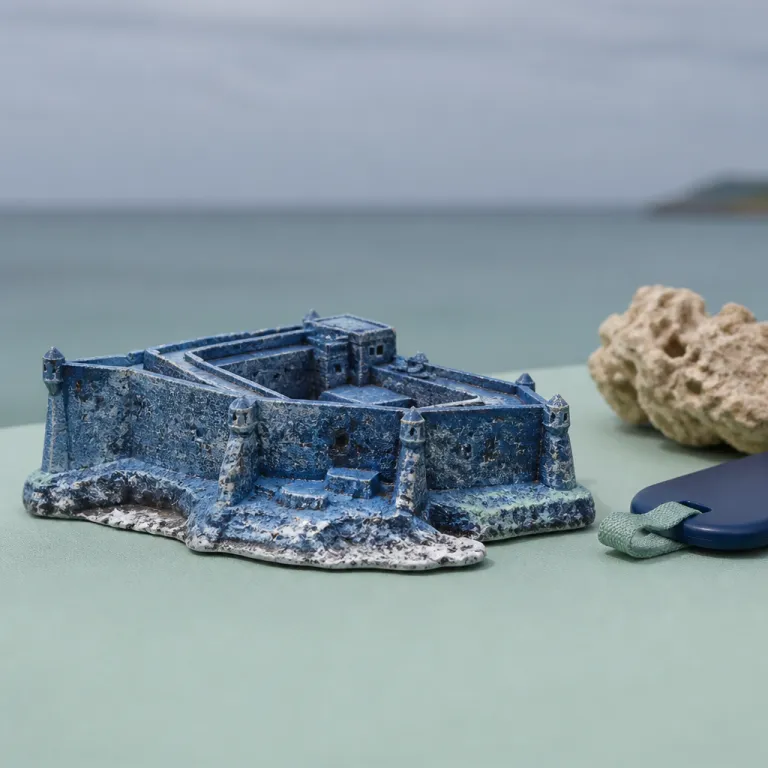
Fort Jesus rises above Mombasa’s old harbor like a stone chronicle of empire. Officially, “Fort Jesus is a fort built by the Portuguese between 1593-1596 in Mombasa, Kenya.” Yet walk its ramparts with a good guide and you feel the Omani sieges, the British gun placements, and the quiet labour of Kenyan excavators who later turned this military site into a national museums showpiece.
This unesco heritage site is central to any serious kenya cultural heritage sites itinerary, because it compresses five centuries of Indian Ocean trade into one compact area. You move from Portuguese bastions to Omani inscriptions in a few metres, then step into galleries curated by the National Museums of Kenya that explain how Mombasa connected Africa, Arabia, and Asia. For travelers choosing where to stay, pairing Fort Jesus with a refined coastal property is less about distance and more about narrative continuity.
Stay in a premium hotel on Mombasa Island or along Nyali beach, and you can arrange a private early entry tour before the cruise crowds arrive at the site. Use a trusted luxury hotel platform — this guide on how to choose the best luxury hotel website in Kenya is a useful filter — to secure properties that understand heritage. The best concierges can arrange historians as guides, sunset dhow sails that trace the fort’s silhouette, and transfers that link Mombasa’s cultural sites with inland national parks in a single, coherent journey.
Gede Ruins, kaya forests, and the Swahili cosmopolis
Drive north from Mombasa towards Malindi and the landscape shifts from port city bustle to coastal forests and low coral rag. Hidden in this green area lies Gede Ruins, an archaeological site that once formed a thriving Swahili town with coral stone houses, mosques, and indoor plumbing. The Gede Ruins are the remains of a 13th-century Swahili town near Malindi, Kenya, and they quietly dismantle the myth that precolonial Africa lacked urban sophistication.
Today Gedi — often spelled Gede — sits on Kenya’s tentative list of sites that could join the kenya unesco register of full heritage sites, and it deserves a place on any kenya cultural heritage sites route. Paths wind through forests alive with monkeys and birds, then open onto mosques aligned to Mecca and houses with niches for imported Chinese porcelain, proof of a cosmopolitan town plugged into the wider Indian Ocean world. Nearby, the kaya forests of the Mijikenda people form another kind of cultural landscape, where sacred groves such as each mijikenda kaya still function as spiritual and governance centres rather than frozen museum pieces.
For luxury travelers, the smartest move is to base yourself at a high end coastal property such as Hemingways Watamu or Medina Palms, then build days around both Gede and the kaya forests. A private guide can walk you through the archaeological site at first light, then introduce you to Mijikenda elders who explain why kaya forests remain central to their heritage. If you are planning a celebration, some premium resorts for weddings in Kenya — this overview of premium resorts for weddings in Kenya is a good starting point — can weave these cultural elements into multi day stays.
Lamu town, lake Turkana, and Kenya’s coastal to desert arc
Lamu town is the quiet masterpiece on the kenya unesco register, a Swahili stone town whose lanes still echo with donkey hooves and call to prayer. Unlike other Swahili cities along the East Africa coast, lamu town survived political upheavals and economic shifts, preserving a dense fabric of coral stone houses, carved doors, and mosques that anchor it among the most important kenya cultural heritage sites. Here, the heritage is not confined to museums kenya operates, but lived daily in how residents move, trade, and worship.
Stay at a refined seafront property on Lamu or neighbouring Shela and you can step from your suite into streets that have barely changed in scale for centuries. The best hotels understand that the town itself is the main site, arranging walking tours with local historians, dhow trips across the channel, and visits to nearby villages that show how Swahili culture extends beyond the old town area. From this coastal base, some travelers extend their heritage list northwards, flying inland towards lake Turkana and the great rift landscapes that hold some of the world’s most significant archaeological site clusters.
Lake Turkana, often called the Jade Sea, sits within the broader rift valley system that also includes mount kenya and several national parks. Around lake turkana, digs have revealed early human fossils that underpin Kenya’s reputation as a cradle of humanity, and these sites appear prominently on the kenya national heritage list and the global unesco heritage list. Linking Lamu’s maritime history with Turkana’s deep time archaeology gives you a kenya cultural heritage sites journey that runs from dhow age trade to human origins in one country.
From thimlich ohinga to national parks: designing a heritage led itinerary
Head west from Nairobi and the landscape folds into the highlands before dropping towards the rift valley and Lake Victoria. Here you find thimlich ohinga, a dry stone walled settlement that predates modern towns and offers a different angle on kenya cultural heritage sites than the coast. Its massive enclosures, built without mortar, speak to social organisation and defence strategies long before colonial borders or national parks existed.
Thimlich ohinga now sits on the kenya unesco register of world heritage sites, alongside lamu town, mount kenya, lake turkana, and the great rift valley lakes, forming a network that spans both cultural and natural categories. Many travelers know these regions only as safari gateways, ticking off a national park or two without realising that the same rift valley escarpments frame ancient settlements and rock art. A more thoughtful heritage list itinerary might pair a stay at a design forward lodge near the Maasai Mara with a side trip to thimlich ohinga, or combine a mount kenya hiking lodge with visits to nearby cultural sites curated by the National Museums of Kenya.
When choosing where to stay, prioritise properties that engage with kenya cultural heritage sites rather than simply using them as marketing backdrops. Some camps and lodges, such as those profiled in this analysis of Kenya’s carbon negative, Maasai owned camps, show how conservation, culture, and luxury can align. Apply the same lens across kenya national destinations, asking how each hotel relates to nearby heritage sites, from fort jesus on the coast to archaeological site complexes in the interior.
Practical tips for luxury travelers exploring Kenya’s heritage sites
Start by mapping kenya cultural heritage sites against your preferred landscapes, whether that means the coast, the rift valley, or the highlands around mount kenya. Then layer in national parks and lakes — from lake turkana in the north to the great rift lakes further south — so that cultural and natural experiences sit side by side. This approach turns a standard safari into a more textured kenya national journey that respects both wildlife and history.
When you visit fort jesus, Gede Ruins, lamu town, or thimlich ohinga, hire guides accredited by the National Museums of Kenya, because they are trained to interpret both the site and its wider cultural context. Respect signage at each archaeological site, especially in kaya forests and other sacred mijikenda kaya areas, where access rules protect living traditions rather than just fragile stones. Many of these sites now benefit from digital documentation and preservation methods, but foot traffic still has a real impact on fragile heritage.
Finally, choose hotels that support local communities connected to these heritage sites, whether through employment, guiding, or funding for museums kenya manages. Ask how your preferred property engages with unesco heritage programmes or the kenya unesco committees that oversee the tentative list of future heritage sites. The more your stay contributes to safeguarding heritage sites, the more meaningful your own experience of Kenya’s cultural and natural wealth will feel.
FAQ about Fort Jesus, Gede Ruins, and Kenya’s cultural heritage
What is Fort Jesus and why is it important ?
Fort Jesus is a coastal fort in Mombasa built by the Portuguese as a stronghold overlooking the old harbour. It later passed through Omani and British control, making it a rare example of layered military architecture from several empires. Today it is a UNESCO World Heritage Site managed by the National Museums of Kenya and a key stop on any kenya cultural heritage sites itinerary.
What can I expect when visiting Gede Ruins near Malindi ?
Gede Ruins is an archaeological site set within coastal forests, containing the remains of a Swahili town with coral stone houses, mosques, and wells. Visitors walk along shaded paths, explore building foundations, and see evidence of long distance trade such as imported ceramics. Guided tours help explain how this town once connected East Africa to the wider Indian Ocean world.
How does Lamu town differ from other Swahili coastal towns ?
Lamu town is one of the best preserved Swahili stone towns, with narrow lanes, carved doors, and a still active waterfront. Unlike some other historic towns that declined or were heavily rebuilt, Lamu retained much of its original urban fabric and social life. This continuity is a major reason it is inscribed as a UNESCO World Heritage Site and prized among kenya cultural heritage sites.
Can I combine heritage sites with a luxury safari in Kenya ?
Yes, many travelers pair coastal heritage sites such as Fort Jesus, Gede Ruins, and Lamu with inland national parks and conservancies. Short domestic flights link Mombasa, Malindi, and Lamu with Nairobi and key safari hubs, making it easy to design a multi stop itinerary. Working with a specialist luxury hotel booking platform in Kenya helps align flight schedules, transfers, and guided visits.
How can I visit kaya forests and other sacred Mijikenda sites respectfully ?
Kaya forests are sacred groves for the Mijikenda communities, so access is often controlled by local elders and cultural leaders. Always visit with an accredited guide, follow dress and photography guidelines, and stay on marked paths to protect both spiritual practices and fragile ecosystems. Choosing hotels and tour operators that partner with Mijikenda communities ensures your visit supports, rather than disrupts, these living cultural landscapes.