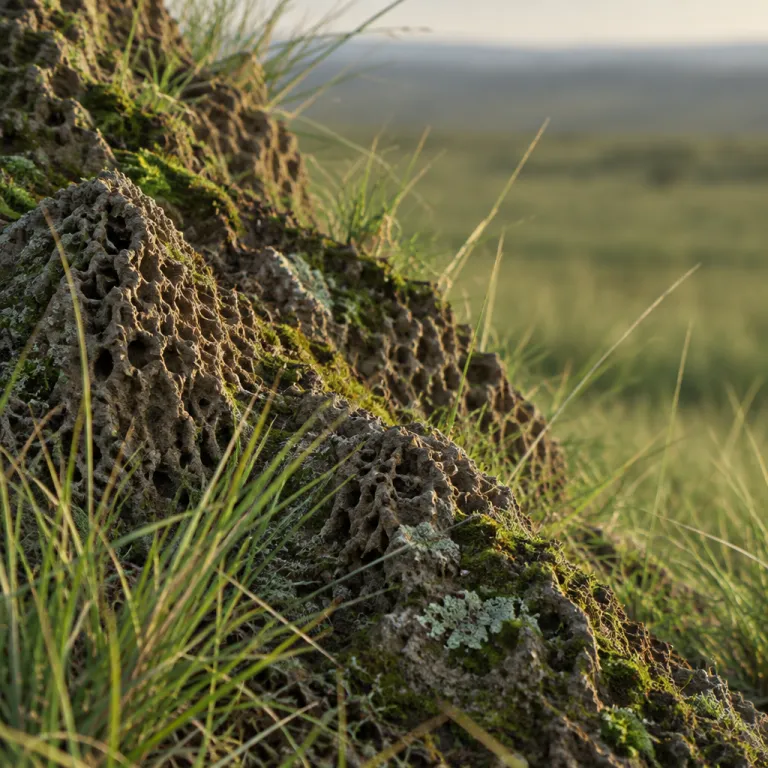
Namiri plains as a luxury base for a Kenyan and Tanzanian safari circuit
Namiri plains sit in a remote eastern Serengeti area that pairs beautifully with luxury and premium hotel booking in Kenya. This quiet plains region offers a tented camp experience that contrasts with Nairobi’s polished city hotels and Kenya’s coastal resorts, yet it connects seamlessly into a wider safari itinerary. Many travellers now plan several nights at a Serengeti lodge after time in Kenya’s national park network, using Namiri as their high drama finale.
When you compare options, Namiri as a plains camp excels for serious wildlife enthusiasts who value space and silence. The camp lies between central Serengeti and the more trafficked northern Serengeti, so game viewing feels exclusive even in peak season when park fees and demand are high. For guests used to premium Kenyan properties, the level of guiding, service and tented camp comfort at Namiri plains feels familiar, while the rawness of the surrounding area feels thrillingly different.
Luxury booking platforms in Kenya increasingly feature Namiri plains within curated cross border safari collections. A typical route might combine a high end Masai Mara lodge, a night or two near the mara river region, then a flight to the eastern Serengeti for several nights at this camp, usually via Seronera or another central Serengeti airstrip such as Ndutu or Kusini. If you plan far ahead for peak migration season, use a specialist who understands both Kenyan and Serengeti national park regulations, so every person night is ticketed correctly and all park fees are settled before you travel.
How Namiri plains complements Kenya’s luxury safari stays
For travellers who love Kenya’s conservancies, Namiri plains offer a wilder counterpoint without sacrificing comfort. Game drives here feel longer and more exploratory than in many Kenyan reserves, because the area around the camp has fewer tracks and almost no other vehicles. That sense of solitude pairs well with time in more structured Kenyan conservancies where wildlife viewing is intense but often shared.
Many guests split their safari season between Kenya and the Serengeti to follow the wildebeest migration. They might start in the Masai Mara for river crossings, then move to Namiri plains when the herds spread across the eastern Serengeti grasslands and predators follow. This rhythm allows you to experience different migration phases, from tense mara river crossings to relaxed grazing on the open plains around the camp.
If you are planning far ahead for a peak time visit, study availability patterns on Kenyan booking sites that already track high demand years in advance. A useful reference is this analysis of Kenya properties already filling up for peak season, which illustrates how quickly prime safari lodges and tented camp options sell out. Apply the same logic to Namiri plains and enquire early, especially if you need specific tent configurations for children or multi generational groups.
Game viewing, seasons and the rhythm of wildlife around Namiri plains
The eastern Serengeti is known for exceptional big cat game viewing, and Namiri plains sit at the heart of this predator rich area. Cheetah sightings are particularly strong, thanks to the open plains that allow these cats to hunt at high speed with minimal cover. Lions and leopards are also frequently seen on game drives, often using termite mounds and rocky outcrops as vantage points.
Seasonality shapes every safari, so timing your nights at Namiri plains is crucial. During some months, the wildebeest migration passes through or near this area, bringing dramatic predator prey interactions and dense wildlife concentrations. At other times, resident game such as zebra, gazelle and giraffe dominate, and the quieter season can mean more flexible schedules for walking safaris and longer photographic stops.
Unlike the northern Serengeti, which focuses heavily on mara river crossings, Namiri plains offer a broader canvas of wildlife behaviour. You may spend one game drive following a cheetah hunt across the plains, then another tracking lions as they move towards a seasonal river line. Guides here are adept at reading subtle details in the landscape, from fresh tracks to bird alarm calls, and they adjust each safari in real time to maximise your chances of memorable sightings.
Best time to visit Namiri plains for different safari priorities
There is no single best time visit Namiri plains, only better matches for your priorities. If you want the wildebeest migration specifically in the eastern Serengeti, work with a specialist who can interpret rainfall patterns and historical movement data. They will help you choose a season when herds are likely to be in this area, while still allowing for the natural unpredictability of wildlife.
Travellers focused on predators and fewer vehicles often favour shoulder season periods. During these times, park fees may be slightly lower, and the number of vehicles on game drives around Namiri plains is usually reduced. The result is longer, quieter sightings where your guide can position the vehicle carefully and give each person ample time for photography.
Families with children sometimes prefer the greener months, when the landscape around the camp feels softer and more vibrant. Shorter game drives can be balanced with time in camp, where staff can tailor gentle activities and early dinners for younger guests. Always enquire in advance about age limits for walking safaris and any specific rules that apply to children in this part of Serengeti national park.
Inside the tented camp: comfort, space and practical details
Namiri plains is designed as a refined tented camp that still feels rooted in the landscape. Canvas suites open onto wide decks that face the plains, so you can watch wildlife from your daybed between game drives. Interiors typically feature high quality linens, generous beds and thoughtful details such as charging points, writing desks and well lit bathrooms.
For many guests used to Kenya’s luxury lodges, the level of comfort at this plains camp feels entirely familiar. Hot water, strong showers and carefully prepared meals are standard, while the atmosphere remains relaxed and unpretentious. The camp team understand that every person has different expectations, so they quietly adjust service levels, wake up times and dining arrangements to suit your rhythm.
When you enquire through a Kenyan or regional booking website, pay close attention to the fine print. Check whether park fees for Serengeti national park are included in the person night rate or charged separately, and confirm any supplements for premium drinks. Ask for written details by email address, including what is covered in the nightly rate, how many game drives are guaranteed, and whether walking safaris or hot air balloon flights can be pre booked.
Family stays, children policies and multi generational safaris
Families considering Namiri plains should look closely at children policies before confirming. Some tented camp configurations allow an extra bed in the main tent, while others require a second unit for older children or teenagers. This affects the total cost per person night and may influence how many nights you choose to spend in the Serengeti.
Guides at the camp are experienced in adapting game drives for younger guests. They may shorten time on the vehicle, focus on engaging wildlife such as giraffe and zebra, and include practical bush lessons that keep children involved. Quiet afternoons back at the lodge style main area can be used for board games, bird watching from the deck or simply resting between activities.
Multi generational groups often combine Namiri plains with a gentler Kenyan segment, such as a highland retreat or coastal stay. An insightful example of this softer side of East Africa is outlined in this feature on coffee estates and cool mornings in the Kenyan highlands. By pairing a tranquil Kenyan property with the intense game viewing of the eastern Serengeti, you create a balanced journey that works for grandparents, parents and children alike.
Game drives, walking safaris and hot air balloon experiences
Most guests at Namiri plains structure their days around early morning and late afternoon game drives. These vehicle based safaris cover a wide area of the eastern Serengeti, from open plains to seasonal river lines and scattered kopjes. Guides use their deep knowledge of wildlife movements to decide where to focus each drive, whether that is tracking lions at first light or scanning for cheetahs later in the day.
Walking safaris are a highlight for many repeat visitors, offering a slower, more tactile way to experience the Serengeti national park. Accompanied by an armed guide and tracker, you learn to read subtle details such as tracks, dung and bird calls that are easy to miss from a vehicle. Distances are tailored to the fitness and comfort level of each person, and children may face age restrictions for safety reasons.
For a different perspective on the plains, consider a hot air balloon flight over the Serengeti. Launching at dawn, an air balloon drifts silently above the game filled landscape, often following a river line or skimming low over herds of wildebeest and zebra. These flights are popular in both central Serengeti and the northern Serengeti near the mara river, so enquire early if you want to secure a place during peak season.
How activities at Namiri plains compare with Kenyan safari lodges
Kenyan lodges in conservancies often offer a wider range of activities, including night drives and off road game viewing. In contrast, Namiri plains operates under Serengeti national park regulations, which prioritise low impact use of the area and limit certain activities. This means the focus is firmly on daytime game drives, walking safaris where permitted and occasional hot air balloon experiences.
For travellers used to the flexibility of Kenyan conservancies, this structure can feel more traditional but also more immersive. You settle into the natural rhythm of the plains, with long morning drives, leisurely lunches and quiet afternoons in camp. Evenings are spent around the fire, sharing sightings and planning the next day’s route across the Serengeti.
When planning your wider East African journey, consider how each stop contributes something distinct. A Kenyan conservancy might excel at off road game viewing and cultural visits, while Namiri plains delivers vast horizons, intense predator action and a sense of isolation that is hard to match. Together, they create a safari narrative that feels layered rather than repetitive, especially if you vary the number of nights in each location.
Booking Namiri plains from Kenya: pricing, park fees and practical steps
Many travellers now use Kenyan based luxury booking platforms to arrange stays at Namiri plains. These agencies understand both Kenyan and Tanzanian regulations, so they can package flights, park fees and person night rates into a single, transparent quote. This is particularly useful if you are combining multiple lodges and tented camp stays across borders.
When you enquire, provide clear details about your preferred season, number of nights and whether children are travelling. This allows the consultant to check real time availability at the plains camp and suggest the best time visit based on wildlife patterns and your budget. Ask them to break down costs per person, including any supplements for private vehicles, hot air balloon flights or walking safaris.
Always insist on written confirmation sent to your email address, outlining what is included in the rate at Namiri plains. Check carefully whether internal flights, transfers, park fees for Serengeti national park and conservation levies are bundled or separate. If you plan to add a Kenyan coast or highland segment, confirm how these extra nights affect the overall itinerary flow and whether any visas or health requirements differ between countries.
Honeymoon and special occasion stays at Namiri plains
Namiri plains has become a favourite for honeymooners who want a wilder setting after time in Kenya’s more polished coastal or city hotels. The camp’s remote location, spacious tents and attentive yet discreet service create a sense of seclusion that suits romantic travel. Many couples choose to end their trip here, after starting with a softer stay in a Kenyan lodge or on the Indian Ocean coast.
For inspiration on how to structure a romantic itinerary that blends Kenya and the Serengeti, review this guide to Kenya honeymoon safari lodges and coastal retreats. You can adapt similar principles by replacing one Kenyan safari stop with Namiri plains, keeping the same balance of adventure and relaxation. The key is to allow enough nights at each lodge or camp so that travel days never feel rushed.
When booking a special occasion stay, mention any celebrations at the enquiry stage. Camps in the Serengeti and in Kenya often arrange private dinners, surprise sundowners or small touches in the tent for anniversaries and honeymoons. These gestures rarely add much to the person night cost but can transform the emotional tone of your time on the plains.
Integrating Namiri plains into a wider East African itinerary
Namiri plains works best when it is part of a thoughtfully sequenced journey through East Africa. Many travellers start in Nairobi, then move to a Kenyan national park or conservancy before flying onward to the Serengeti. This progression allows you to adjust gradually to the pace of safari life before immersing yourself in the wilder eastern Serengeti area.
One effective pattern is to begin with a highland or city stay, continue to a Kenyan game reserve, then finish with several nights at the plains camp. This structure mirrors the way the wildebeest migration moves through the region, even if you are not following the herds exactly. It also spreads travel time sensibly, so each person has space to rest between flights and long game drives.
When comparing potential stops, think in terms of contrasts rather than repetitions. A lush Kenyan forest lodge pairs well with the open plains of Namiri, while a coastal retreat offers a soothing end after intense game viewing in the Serengeti national park. By varying landscapes, activities and lodge styles, you keep each segment fresh and ensure that the memory of Namiri plains remains a vivid highlight rather than one more similar stop.
Practical routing tips and cross border considerations
Routing between Kenya and the Serengeti requires attention to flight schedules, immigration rules and luggage limits. Many small aircraft serving Namiri plains and other Serengeti airstrips have strict weight allowances, so pack light and use soft bags. Your booking agent should provide clear details on these limits and how they affect camera gear, especially if you are serious about photography.
Crossing from Kenya into Tanzania usually involves either a direct regional flight or a connection via a hub such as Kilimanjaro or Arusha. Build in buffer time to account for weather delays, especially in the rainy season when airstrips can be affected. Always keep essential items such as medication, travel documents and one change of clothes in your hand luggage, in case checked bags are delayed.
Finally, remember that each national park has its own regulations and fee structures. Serengeti national park, including the eastern Serengeti area around Namiri plains, calculates park fees per person night, while some Kenyan conservancies use different models. Ask your consultant to explain these differences clearly so you understand exactly what you are paying for at every stage of your East African journey.
Key figures and trends for Namiri plains and East African safaris
- According to the Tanzania National Parks Authority (TANAPA), Serengeti national park receives over 350 000 visitors annually; consult the latest TANAPA annual reports for current figures, definitions and data collection methodology.
- Data from the United Nations World Tourism Organization (UNWTO) indicates that East Africa’s international tourist arrivals have grown by more than 30 percent over the last decade; see UNWTO regional tourism performance reports for year by year statistics and country level breakdowns.
- Conservation organisations estimate that the wildebeest migration involves around 1.3 million wildebeest, 200 000 zebra and 500 000 gazelles moving between the Serengeti and Masai Mara ecosystems; these numbers are widely cited by bodies such as the Frankfurt Zoological Society and WWF in their long term monitoring work.
- Many premium safari lodges and tented camp operations in Tanzania and Kenya now report average stays of 3 to 4 nights per property, which is generally considered the ideal duration for deep game viewing without fatigue.
- Hot air balloon operators in the Serengeti and Masai Mara typically limit flights to around 12 to 16 passengers per air balloon, ensuring each person has a clear view of the plains and river systems below.
FAQ about Namiri plains and booking from Kenya
How many nights should I stay at Namiri plains
Most travellers find that 3 to 4 nights at Namiri plains strike the right balance between depth and variety. This allows for multiple game drives in different parts of the eastern Serengeti area and some downtime in camp. Shorter stays can feel rushed, especially if you are also adjusting to cross border travel from Kenya.
Is Namiri plains suitable for children and families
Namiri plains can work well for families with older children, but policies vary by camp and season. Some tented camp setups accept younger children with specific conditions, while others set minimum ages for walking safaris and certain activities. Always enquire in advance about age limits, family tent options and how game drives can be adapted for younger guests.
When is the best time to visit Namiri plains for the wildebeest migration
The wildebeest migration moves throughout the Serengeti Masai Mara ecosystem, so no single month guarantees sightings at Namiri plains. The eastern Serengeti area tends to see herds during specific periods linked to rainfall and grass growth. Work with a specialist who tracks historical patterns and can suggest the most likely season for your preferred travel window.
How do park fees work for Namiri plains compared with Kenyan parks
In Serengeti national park, park fees are usually charged per person per night and added to your lodge or camp invoice. Kenyan parks and conservancies may use similar or slightly different models, sometimes bundling fees into a single rate. Ask your booking agent to itemise all park fees for both countries so you can compare costs accurately.
Can I combine Namiri plains with a Kenyan beach or city stay
Combining Namiri plains with time in Nairobi or on Kenya’s coast is not only possible but highly recommended. Many itineraries start with a city or beach segment, continue to a Kenyan safari lodge, then end with several nights in the Serengeti. This sequence creates a satisfying arc from urban energy to wilderness immersion, with each stop offering a distinct experience.