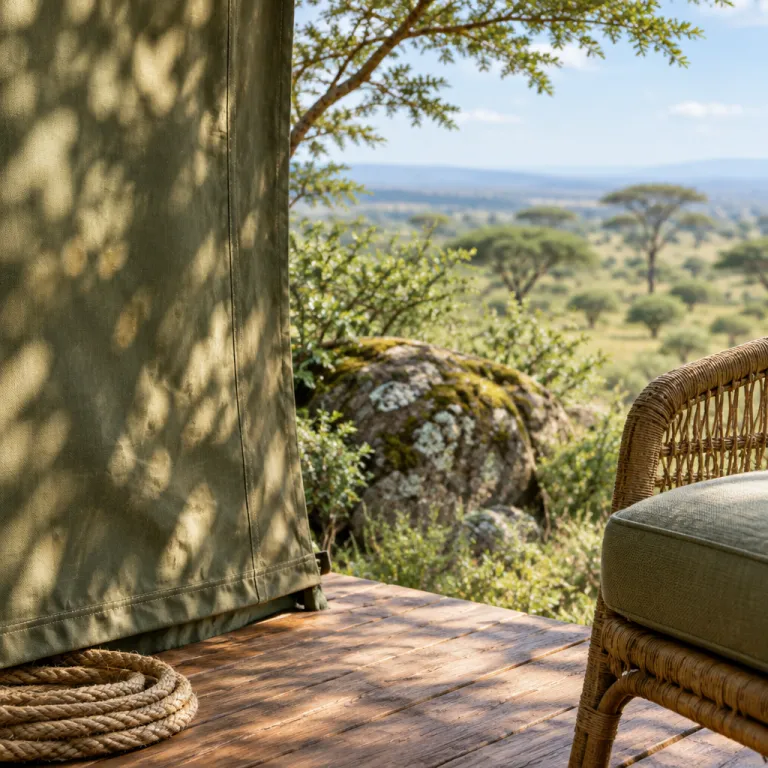
Laikipia wilderness safari camps in Kenya
Note: Data points in this article draw on publicly available summaries from the Kenya Wildlife Service (KWS 2022 wildlife dispersal overview), the Northern Rangelands Trust (NRT 2021 conservancy impact report), and the African Wildlife Foundation (AWF 2020 carnivore conservation brief). Figures are indicative and may change as new research emerges.
Laikipia wilderness as Kenya’s most intimate safari stage
Laikipia wilderness stretches north of Mount Kenya with a rare sense of space. This high plateau in Kenya blends private conservancies, community ranches, and protected areas into one continuous safari landscape. Here, every visit feels personal because the game viewing is uncrowded and the wilderness remains largely open and unspoiled.
Travellers choosing a safari camp in Laikipia gain access to excellent wildlife densities and a remarkable range of activities. You can combine classic game drives with walking safaris, night drives, and open air bush dinners along seasonal rivers such as the Ewaso Narok and the Narok River. Luxury and premium camps in this region often operate as a private wilderness camp, which allows guides to tailor each safari around your interests and pace.
The main camp areas in Laikipia are usually set near reliable water sources, which draw wildlife throughout the day. River camp locations along tributaries of the Ewaso Narok offer tranquil game viewing from your veranda, while a palm camp on a ridge might focus more on sweeping views and cooling breezes. Whether you choose a small camp Laikipia property or a larger safari camp, the emphasis remains on immersion in the bush rather than on formality.
Laikipia at a glance
• Approximate area: 9 500 km² of mixed ranchland and conservancies
• Elevation: roughly 1 700–2 300 m, giving cool nights and clear light
• Access: 5–6 hours by road from Nairobi; about 45 minutes by air to Nanyuki or Loisaba airstrips
• Typical stay: 3–5 nights in one camp, often combined with another Kenyan region
• Sample conservancies: Loisaba, Borana, Ol Pejeta, and neighbouring Solio Ranch
Choosing between main camp, river camp, and palm camp settings
When you plan a stay in Laikipia wilderness, the setting of your camp shapes every moment. A main camp often sits at the heart of a private conservancy, with quick access to game drives and walking safaris that radiate out across valleys and plateaus. These main camp hubs usually host a broad range of activities, from photographic drives to guided nature walks and cultural visits.
By contrast, a river camp in Laikipia leans into the rhythm of water and wildlife. Tents or suites may overlook the Narok River or a side channel of the Ewaso Narok, where elephants, antelope, and sometimes wild dogs come to drink in the late afternoon. Guests can enjoy open air breakfasts beside the river, then head out on game drives that follow animal tracks from the water up into the bush.
A palm camp or hilltop wilderness camp often focuses on views rather than rivers, with wide horizons and dramatic sunsets over Laikipia. These elevated safari camp locations can be ideal for couples seeking privacy, or for a family wanting a quiet base between more active days. For travellers comparing Laikipia properties, reading detailed reviews of an intimate Laikipia luxury lodge can help clarify whether a main camp, river camp, or palm camp best matches their style.
Camp setting comparison
• Main camp: central location, social atmosphere, broad activity choice, often with a pool and family facilities.
• River camp: quieter, strong wildlife presence at the water’s edge, ideal for birding and relaxed in-camp viewing.
• Palm or hilltop camp: panoramic vistas, cooling breezes, and a more secluded feel for honeymoons or private groups.
Wildlife highlights from black leopard to wild dogs
Laikipia wilderness has earned a reputation among Kenya insiders for unusual wildlife sightings. The region supports strong populations of wild dogs, and both a single wild dog and entire wild dogs packs are often tracked on dedicated game drives. Some conservancies here have also reported sightings of a melanistic black leopard, which has drawn global attention to Laikipia as a serious wildlife destination.
While no ethical guide will ever guarantee a black leopard encounter, the combination of rocky escarpments, thick bush, and reliable water makes Laikipia suitable habitat for these elusive cats. Standard leopard sightings remain more common, especially on night drives that focus on the edges of riverine forest and open plains. Guests who stay several nights in a well located wilderness camp significantly increase their chances of memorable game viewing that includes leopard, lion, and sometimes wild dog interactions.
Beyond predators, Laikipia wilderness offers excellent general game, from reticulated giraffe to Grevy’s zebra and large elephant herds. Many safari camp guides structure drives around specific interests, such as birding, photography, or tracking wild dogs at dawn. Couples planning a Kenya honeymoon safari with a focus on rare wildlife often combine Laikipia with coastal retreats, using curated itineraries that balance intense game viewing with time beside the Indian Ocean.
One guide in Loisaba Conservancy recalls following fresh wild dog tracks at first light with a family from Nairobi: within an hour they watched a pack cross a shallow channel of the Ewaso Narok, then settled on a ridge as the sun rose over Mount Kenya, a moment the children later described as the highlight of their entire holiday.
Design, comfort, and open air luxury in Laikipia camps
Luxury camps in Laikipia wilderness balance refined comfort with a strong sense of place. Canvas suites or stone cottages usually feature open air verandas, generous beds, and en suite bathrooms with reliable hot water. Many properties use natural materials and neutral palettes so that the focus remains on the surrounding bush and the ever changing light.
Some safari camp designs in Laikipia reference local culture or contemporary art, occasionally incorporating pieces from Kenyan designers such as Giza Black in textiles or décor. Guests can expect excellent service standards, with attentive teams who arrange private dinners, flexible game drives, and tailored range activities for each family or couple. The best wilderness camp operations keep guest numbers low, which preserves the quiet atmosphere and allows staff to remember individual preferences in impressive detail.
Open air lounges and fire pits encourage guests to share stories after night drives, while shaded decks offer calm spaces between safaris. A main camp might include a pool overlooking a waterhole, whereas a smaller river camp may prioritise secluded decks right above the Narok River. When comparing options on a luxury hotel booking website, pay close attention to layout maps, room details, and any image alt text descriptions, as these often reveal how successfully each camp integrates with the Laikipia landscape.
Planning activities, game drives, and walking safaris
Time in Laikipia wilderness revolves around carefully planned activities that respond to wildlife movements and guest interests. Early morning game drives usually focus on predators and general game, taking advantage of cool temperatures and soft light for photography. Later in the day, walking safaris and shorter drives often concentrate on tracks, plants, and smaller wildlife that are easy to miss from a vehicle.
Many Laikipia camps offer a wide range of activities beyond standard safaris, including cultural visits, horse riding, or scenic flights towards Mount Kenya. Families often appreciate flexible schedules, where a private vehicle allows them to shorten a drive for younger children or extend an outing when a leopard sighting becomes particularly engaging. Night drives add another dimension, revealing nocturnal species and offering a chance to follow wild dogs returning from a hunt or to listen for lions calling across the open plains.
Water based experiences are less common here than in delta regions, yet rivers such as the Ewaso Narok still shape daily life for wildlife and people. Some properties arrange guided walks along the Narok River, focusing on tracks in the sand and birdlife in the riverine bush. When booking through a premium Kenya platform, look for clear descriptions of game viewing styles and activity options, as these details often determine how immersive your Laikipia wilderness stay will feel.
How to use a luxury Kenya booking site for Laikipia stays
Choosing the right Laikipia wilderness camp begins with understanding your priorities. Some travellers want intense game viewing with long game drives and walking safaris, while others prefer a slower pace with more time in camp. A well designed luxury hotel booking website for Kenya should allow you to filter by activities, camp size, and level of privacy.
Look for listings that clearly separate main camp, river camp, and palm camp styles, and that specify whether game drives are shared or private. Detailed descriptions should mention proximity to features such as the Narok River, the Ewaso Narok, or views towards Mount Kenya, as these elements influence both scenery and wildlife density. High quality platforms also highlight whether a property is particularly suitable for a family, a couple, or solo travellers, and whether wild dogs or leopard are regularly seen in the area.
Before you visit, read recent guest feedback that comments on guiding quality, vehicle comfort, and the reliability of water and power systems. Many travellers pair Laikipia with a coastal stay, and a refined guide to choosing a Diani Beach resort in Kenya can help you extend your safari into a broader Kenyan journey. By combining transparent online information with direct questions to the booking team, you can match your expectations to the reality of Laikipia wilderness and secure an excellent stay that feels both authentic and deeply comfortable.
Key figures about Laikipia wilderness travel
- Laikipia covers roughly 9 500 square kilometres of mixed ranchland and conservancies, making it one of Kenya’s largest wildlife landscapes outside formal national parks (Kenya Wildlife Service data); this scale underpins the region’s sense of wilderness and low visitor density.
- Community and private conservancies in Laikipia collectively protect more than half of the county’s land area for wildlife and pastoralism, a proportion significantly higher than in many other Kenyan regions (Northern Rangelands Trust reports); this shared management model supports both conservation and local livelihoods.
- Wild dog populations in Laikipia and neighbouring areas represent one of East Africa’s most important strongholds for the species, with several packs monitored by researchers over multiple years (African Wildlife Foundation studies); this makes Laikipia a key destination for travellers interested in rare carnivores.
- Average driving time from Nairobi to central Laikipia is around 5 to 6 hours by road, while scheduled flights from Wilson Airport to Laikipia airstrips such as Nanyuki or Loisaba typically take about 45 minutes (Kenyan domestic airline schedules); this combination of access options allows flexible itinerary planning.
FAQ about Laikipia wilderness safari camps
What makes Laikipia wilderness different from other Kenyan safari areas?
Laikipia wilderness stands out for its mix of private conservancies, community lands, and ranches that together create a vast, lightly visited safari landscape. Unlike some busier parks, game drives here often encounter very few other vehicles, which enhances the sense of privacy. The region also offers unusual species such as Grevy’s zebra, reticulated giraffe, and strong wild dog populations.
Is Laikipia suitable for a family safari with children?
Many Laikipia camps are well suited to a family safari, offering flexible schedules, private vehicles, and child friendly activities such as short nature walks near camp. Some properties provide family tents or interconnecting rooms, along with guides experienced in engaging younger guests. Always confirm age limits for walking safaris and night drives, as these can vary between camps.
How many nights should I spend in a Laikipia wilderness camp?
A stay of at least three to four nights in one Laikipia wilderness camp allows time for varied activities and different game viewing conditions. With this duration, guests can enjoy morning and afternoon drives, one or two walking safaris, and possibly a night drive without feeling rushed. Travellers combining Laikipia with another Kenyan region often allocate a week in total across two locations.
Can I reliably see black leopard or wild dogs in Laikipia?
Laikipia offers some of Kenya’s best chances to see wild dogs, with several packs monitored by researchers and guides, but sightings are never guaranteed. Black leopard sightings are much rarer and remain exceptional, even in areas where individuals have been photographed. Choosing a camp in a conservancy known for strong predator populations and staying several nights will maximise, but not assure, your opportunities.
When is the best time to visit Laikipia for game viewing?
Game viewing in Laikipia is generally strong for much of the year, with drier months often providing easier wildlife sightings around remaining water sources. Green seasons can be beautiful, with dramatic skies and fewer vehicles, though vegetation may be thicker. Checking recent conditions with your chosen camp or booking platform helps align your travel dates with your priorities for wildlife, scenery, and activities.