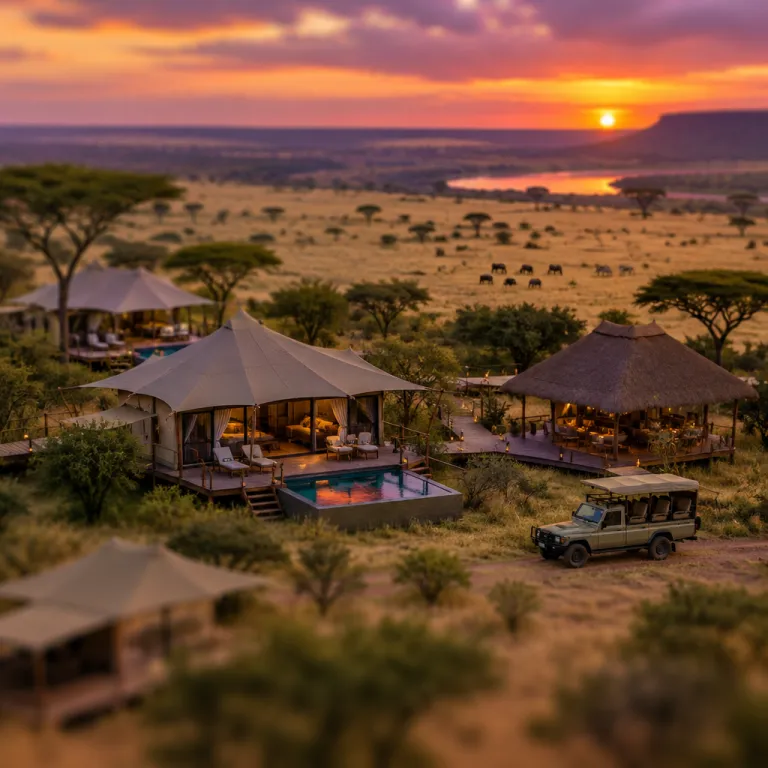
Understanding the best time to visit Masai Mara for luxury travellers
The best time to visit Masai Mara depends on what you want from your safari. Luxury guests usually weigh crowd levels, wildlife viewing quality, and the character of each season before deciding when to visit Masai and wider Kenya. Your preferred time of year will also influence which premium lodges and camps you choose, how far in advance you book, and what you ultimately pay.
For many travellers, the classic best time is the dry season, when the grass is shorter and wildlife viewing is excellent across the Masai Mara National Reserve. During this dry season, usually from late June to October, predators are easier to spot, and a Mara safari feels wonderfully cinematic, especially at sunrise and sunset. If you plan a luxury stay, this is also the time when the most sought after Mara lodges and high end camps sell out quickly, so early planning is a very good idea.
Other guests prefer a quieter time to visit, choosing the green low season when the landscape is lush and rates at many lodges and camps are more flexible. In this rainy season, usually around March and April, the Masai Mara feels more intimate, and you can often linger longer with wildlife without many other vehicles nearby. For a premium Kenya travel guide experience, consider how each time of year aligns with your expectations for comfort, photography, and the style of safari you enjoy most.
Dry season, great migration, and peak luxury demand
When travellers ask about the best time to visit Masai Mara, they often mean the best time of year to witness the great migration. Between roughly June and October, vast herds of wildebeest and zebra move through the Mara National Reserve, creating one of the most dramatic wildlife spectacles on earth. During this period, every Mara safari drive can bring intense predator action, river crossings, and excellent wildlife viewing from dawn to dusk.
Because this is such a great season for wildlife, it is also the busiest time to visit Masai for luxury safaris. Premium Mara lodges and exclusive camps near the Mara River, such as Angama Mara or Governors’ Camp, often require bookings many months ahead, especially for stays that coincide with school holidays. If you want the best rooms, private guides, and tailored Mara safaris, treat this time of year as you would a major cultural event and secure your reservations early.
Peak dry season brings clear skies, relatively good road conditions, and cooler nights, which suit high end travellers who value comfort as much as adventure. Game drives in this dry season are usually smoother, and the chance of rain disrupting a Mara safari is lower than in March or April. If you are combining the Masai Mara with a coastal stay, you can compare this inland timing with a Kenyan beach escape, then align your safari and ocean experiences around the same excellent weather window.
Green season, low season value, and quieter Mara safaris
Not every guest wants the busiest time of year in the Masai Mara, even if wildlife viewing is at its most intense. For some, the best time to visit Masai Mara is the so called green or low season, when the rainy season brings dramatic skies, emerald grasslands, and fewer vehicles around sightings. This period, often centred on March and April, can offer a very good balance between cost, comfort, and exclusivity for premium travellers.
During the long rainy season, showers can be heavy but often fall in short bursts, leaving long stretches of clear light that photographers love. The Masai Mara National Reserve feels softer and more atmospheric, with young animals, migratory birds, and moody clouds that transform every Mara safari drive. Many high end lodges and camps, including properties in private conservancies such as Olare Motorogi or Naboisho, offer attractive low season rates, private dining experiences, and spa packages that make this a great time to visit for couples and honeymooners.
If you are planning a once in a lifetime Kenya itinerary, you might pair a green season Mara safari with a coastal retreat or a stay in another national park such as Amboseli or Laikipia. Luxury travellers who like to stay ahead of the curve often track new openings and special offers, using curated resources and specialist tour operators who know which Kenya properties are worth booking before availability disappears. For many, the combination of softer prices, lush scenery, and attentive service makes the low season an excellent time of year to visit Masai and enjoy a more reflective style of safari.
Month by month: choosing your ideal time to visit Masai Mara
When you plan the best time to visit Masai Mara, it helps to think month by month rather than only in broad season labels. From June to October, the dry season dominates, with crisp mornings, warm afternoons, and very good visibility for wildlife viewing across the Mara National Reserve. This is when many travellers aim to visit Masai, especially if they hope to see the great migration and enjoy classic Mara safaris with minimal rain.
March and April sit at the heart of the long rainy season, bringing heavier showers and greener landscapes that appeal to photographers and repeat visitors. While some roads can become muddy, many luxury Mara lodges have excellent vehicles and experienced guides who know how to navigate the terrain safely. For guests who value tranquillity and flexible schedules, this time to visit can be the best season to secure longer stays, spa time, and private dining without the pressure of peak season crowds.
October often acts as a transitional month, when parts of the migration may still be present, but the main rush of visitors begins to ease. This can be a great time of year for those who want a balance between action packed wildlife viewing and a slightly calmer atmosphere at high end lodges and camps. Whatever month you choose, always read reviews from recent guests, speak with a specialist travel guide, and match your expectations for weather, wildlife, and service levels to the specific time of year you are considering.
Luxury lodges, camps, and how timing shapes your stay
For premium travellers, the best time to visit Masai Mara is closely linked to the style of accommodation you prefer. Some Mara lodges sit inside the Masai Mara National Reserve, offering immediate access to early morning game drives, while others in neighbouring conservancies provide more exclusive Mara safaris with fewer vehicles. During the dry season from June to October, these lodges and camps often run at full capacity, with sunrise drives, bush breakfasts, and sundowners carefully timed around wildlife movements.
In the low season, many high end properties in Kenya adjust their offerings to suit the rhythm of the rainy season. You might find more flexible game drive times, extended spa menus, and curated in camp activities such as photography workshops or conservation talks. For couples planning a romantic escape, pairing a green season Mara safari with a coastal retreat at the right time of year can be especially appealing, and resources such as dedicated Kenya honeymoon safari guides can help you align your dates.
Whichever period you choose to visit Masai, pay attention to how each property manages access to key wildlife areas and the great migration. Some Mara lodges have private airstrips that reduce transfer time, which is particularly valuable in the rainy season when roads can be slower. Before you confirm, read reviews that mention the specific month and season, as this will give you a realistic sense of what your own time to visit might feel like in that part of the Masai Mara.
Combining Masai Mara with other Kenyan destinations
Many luxury guests want to know the best time to visit Masai Mara when also planning other destinations in Kenya. A classic pattern is to enjoy a dry season Mara safari from June to October, then fly to the coast for a few days of Indian Ocean relaxation. This timing works well because the dry season often brings stable weather both in the Masai Mara National Reserve and at beach locations such as Diani or Mombasa, making it a great time of year for a multi stop itinerary.
If you prefer quieter travel, you might choose the shoulder months around March, April, or October, when the Masai Mara is less crowded and some coastal areas still enjoy good conditions. During these periods, you can often secure excellent value at premium Mara lodges and at high end beach resorts, especially if you are flexible with your exact dates. A knowledgeable travel guide can help you match the character of each season to your personal style, whether you prioritise wildlife viewing, spa time, or cultural experiences with local Masai communities.
Guests who enjoy varied landscapes sometimes combine the Masai Mara with another national park such as Amboseli, Samburu, or Laikipia, each with its own best time to visit. Because weather patterns and wildlife movements differ between regions, the ideal time to visit for one area may not be identical for another. When you read reviews and speak with specialists, ask specifically how the chosen month affects both your Mara safari and your stays elsewhere in Kenya, so your overall journey feels coherent and well paced.
Practical planning tips for choosing your time of year
Choosing the best time to visit Masai Mara for a luxury stay involves more than just looking at a calendar. Start by clarifying your priorities, whether that is seeing the great migration, enjoying quieter low season safaris, or maximising sunshine during the dry season. Then match those preferences to the typical weather, wildlife patterns, and pricing for each time of year in the Masai Mara National Reserve.
When you compare options, always read reviews from guests who travelled in the same month you are considering, as their experiences will mirror your likely conditions. Pay attention to comments about road quality in the rainy season, the reliability of air transfers, and how well lodges and camps handled any weather disruptions. For high end travellers, it is also wise to ask about vehicle policies, guide experience, and how each property manages access to prime wildlife viewing areas during busy periods such as June to October.
Finally, remember that the best time to visit for one person may not be the same for another, even within the same year. Families might prefer the predictability of the dry season, while photographers and repeat visitors often favour the moody light of March or April. By aligning your expectations with the realities of each season, and by working with a trusted travel guide who understands Kenya in depth, you can choose a time to visit that delivers an excellent balance of comfort, adventure, and value across your entire Mara safari journey.
Key figures on Masai Mara travel and seasons
- Visitor numbers to the Masai Mara National Reserve typically peak between June and October, when the dry season and great migration coincide, and many luxury properties report very high occupancy during this window, based on recent summaries from Narok County Council tourism reports.
- Reviews compiled by the Kenya Tourism Board indicate that wildlife viewing satisfaction remains strong across the year, but guests travelling in the main dry season are more likely to report seeing large predator interactions compared with those visiting in the long rainy season, according to survey overviews published in the 2010s.
- Average rainfall in the Masai Mara region often exceeds 150 millimetres per month during the long rains of March and April, while typical dry season months can receive less than 40 millimetres, according to long term climate records released by the Kenya Meteorological Department.
- Industry briefings from regional tour operators suggest that a growing share of high end guests now consider travelling in the green low season at least once, attracted by quieter sightings and rate reductions that can reach around 20 to 30 percent compared with peak time of year stays, based on reports from the early 2020s.
Frequently asked questions about the best time to visit Masai Mara
Is the dry season always the best time to visit Masai Mara ?
The dry season from roughly June to October is often considered the best time to visit Masai Mara for first time visitors, because wildlife viewing is easier and rain is less frequent. However, some travellers prefer the green low season for its quieter atmosphere, lush scenery, and more flexible pricing. The right choice depends on whether you prioritise intense predator action, dramatic landscapes, or a more secluded luxury experience.
Can I see the great migration outside the main dry season months ?
The great migration is a dynamic, weather driven movement, so exact timings vary each year. The herds are most reliably seen in the Masai Mara National Reserve between June and October, but they may arrive earlier or leave later depending on rainfall patterns. If witnessing river crossings is essential for you, plan a flexible window in the heart of the dry season and work with a specialist who tracks current wildlife movements.
Is the rainy season a good time for a luxury safari in the Masai Mara ?
The rainy season, especially around March and April, can be an excellent time for a luxury safari if you value tranquillity, green landscapes, and softer light for photography. Some roads may be muddy, but high end lodges usually have strong vehicles and experienced guides who manage conditions well. You may also benefit from lower rates and more personalised service compared with peak season.
How far in advance should I book Mara lodges for peak season ?
For stays during the main dry season and the height of the great migration, it is wise to book Mara lodges at least six to nine months in advance, especially for top tier properties and family suites. Shorter lead times may still work for shoulder months such as October, but availability will be tighter around popular holiday periods. Early booking also gives you more choice of room categories, private vehicles, and tailored experiences.
Is it better to combine Masai Mara with the coast in one trip or separate visits ?
Combining the Masai Mara with Kenya’s coast in one itinerary is often the most efficient use of time, especially during the dry season when weather is favourable in both regions. A typical pattern is to start with a Mara safari, then fly to Diani or Mombasa for three to five nights of beach relaxation. Separate visits can work if you enjoy shorter, focused trips, but many luxury travellers appreciate the contrast of savannah and sea in a single, well planned journey.