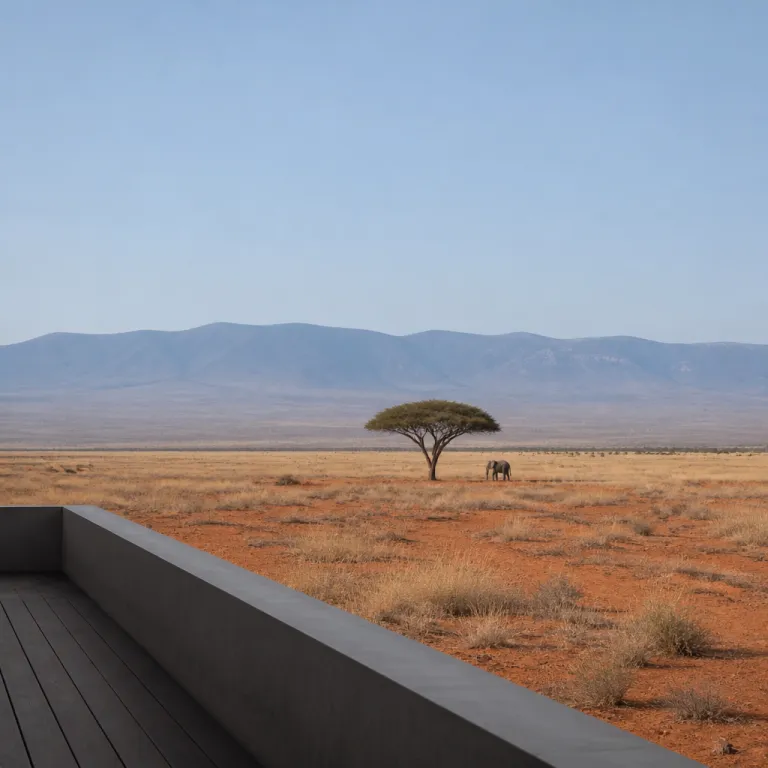
Why Kenya Safari September Is the Insider Choice for Couples
Kenya in September sits in that rare sweet spot between the crowded peak season and the first hint of the short rainy season. Rates at many luxury safari lodges and camps in the Masai Mara, Amboseli National Park and private conservancies often drop by roughly twenty to forty percent compared with July and August, according to booking data shared by several long-running camps and Kenya tour operators, yet the wildlife density remains exceptionally high and the Great Migration is still very present. For a couple planning a Kenya safari in September, this is often the best time of year to secure a prime tent or suite with serious value, especially when compared with the height of the Great Migration in July or August.
The late dry season concentrates wildlife around permanent water sources, which makes wildlife viewing both more predictable and more dramatic. Kenya Wildlife Service climate summaries describe this period as warm days, cool mornings and minimal rainfall, with average daytime temperatures around 26 °C in key safari regions and only light showers, so each day on safari in Kenya feels comfortable rather than punishingly hot. Because the bush is beginning to soften from its harshest dry season tones, the background for photography in every national park becomes subtly greener, which flatters both wildlife portraits and those quiet couple shots at sunset.
For travelers weighing Kenya–Tanzania combinations, September in Kenya offers a compelling balance of value, comfort and spectacle. The Masai Mara and the wider Maasai Mara ecosystem still host huge herds during the wildebeest migration, while Tanzania’s northern national parks are already edging toward their own next phase of the season. Kenya Wildlife Service and regional tourism boards note that river crossings on the Mara and Talek rivers can remain intense into mid-September, so if you visit Kenya at this time, you benefit from peak wildlife viewing without the full peak season crowds, and you support a more even spread of tourism revenue across the year, which is crucial for both conservation and community livelihoods.
Where to Stay: Safari Lodges That Shine in the Dry Season
Choosing the right safari lodges for a Kenya safari in September is less about marble bathrooms and more about location within the ecosystem. In the Masai Mara and the adjacent Maasai Mara conservancies, look for properties with direct access to river crossing points, because this is still one of the best times for witnessing the Great Migration and the daily drama of predators along the banks. A well-sited camp in a private national reserve or conservancy also limits vehicle numbers, which means your view of a cheetah hunt or a lion pride at dusk is shared with fewer safaris and feels far more intimate.
Couples comparing Kenya–Tanzania options for luxury stays should study how each national park manages visitor density and conservation fees, and this detailed comparison is explored in depth in our guide to Kenya versus Tanzania safari lodges for luxury travelers. In Kenya, the Masai Mara National Reserve, Amboseli National Park and Lake Nakuru National Park all offer very different atmospheres in September, from big-sky views of Kilimanjaro to flamingo-fringed lakes and classic savannah. Because it is no longer absolute peak season, managers are more open to upgrades, private dinners in the bush and flexible game drive times, which suits couples who prefer slow mornings and long, late afternoon safaris.
Beyond the headline names, consider smaller properties in lesser-known national parks and community conservancies, where your nightly rate directly supports local Maasai and other communities. These lodges often work closely with local safari operators and conservation organizations, aligning your Kenya safari with tangible wildlife protection and cultural initiatives. As one Maasai guide in the Mara Conservancy told us, “When guests choose September, they help us keep rangers in the field all year.” When you visit Kenya in the shoulder season, your presence helps maintain staff employment and anti-poaching patrols through the quieter months, which is one of the most effective forms of sustainable travel spending.
Masai Mara, Maasai Mara and the Choreography of the Great Migration
By early September, the Masai Mara and the broader Maasai Mara ecosystem are still the stage for one of the world’s great wildlife spectacles. The wildebeest migration, with roughly two million individuals moving between Kenya and Tanzania according to long-term counts by the Mara Conservancy and Serengeti researchers, continues to pulse across the plains, and river crossings on the Mara and Talek rivers can remain intense through mid-month in many years. Kenya Wildlife Service and regional monitoring data suggest that early September often brings peak migration crossings, mid-September sees predator activity intensify and late September marks the first southward drift back toward Tanzania’s Serengeti.
For couples, this timing matters because it shapes how you structure each safari day and which part of the national reserve you choose. Dawn and late afternoon game drives during the dry season offer the best time for wildlife viewing, as temperatures are softer and animals are more active around the Mara River and other water sources. Many lodges now pair traditional 4x4 drives with walking safaris and even hot air balloon rides, and Kenya Wildlife Service, local safari operators and conservation organizations increasingly favor eco-friendly lodges that tread lightly on the land.
If you want a property that reads the Mara like a living newspaper, look at camps that have long-standing Maasai guiding teams and deep roots in the conservancies, such as those highlighted in our review of why Encounter Mara Camp is a standout tented camp in the Mara ecosystem. These guides know precisely when to position you for a quieter view of the Great Migration, away from the busiest river bends. They also understand how to balance the thrill of close wildlife encounters with respect for animal behavior, which is essential in a Kenya safari September context where vehicles can still cluster if not carefully managed.
Designing a Romantic, Sustainable Kenya Safari September Itinerary
A thoughtful Kenya safari in September for couples should weave together at least two contrasting landscapes, ideally over seven to ten days. Start with three or four nights in the Masai Mara or Maasai Mara conservancies for the Great Migration and big predator action, then add time in Amboseli National Park or Lake Nakuru National Park for different wildlife viewing and a change of pace. This mix of national park and conservancy stays allows you to experience both the iconic Mara plains and more intimate habitats, while spreading your tourism impact across multiple communities.
One popular nine-day route, based on timings from Kenya Wildlife Service and domestic airlines, might look like this: Day 1–2 in Nairobi to rest and visit the Nairobi National Park (about 30–45 minutes’ drive from most city hotels), Day 3–6 flying to the Masai Mara (roughly a 45-minute flight) for river crossings and big cats, then Day 7–8 in Amboseli National Park (about 1 hour by air from the Mara via Nairobi, or 4–5 hours by road from the capital) for elephants and Kilimanjaro views, before returning to Nairobi on Day 9. This sample itinerary keeps transit times manageable while still giving you sunrise and sunset game drives in each ecosystem.
From Nairobi, it is easy to connect a Kenya safari with a coastal finale, and September’s warm but not oppressive temperatures make the Indian Ocean particularly appealing. Consider flying from the Mara or Amboseli National Park to the coast after your last safari day, then spending several nights in Watamu or Diani, using our guide to Watamu’s marine park town for unhurried travelers as a reference for the best marine national park experiences. This combination of dry season wildlife and marine national park relaxation turns a Kenya safari September trip into a complete Kenya–Tanzania alternative, especially for couples who prefer fewer internal borders and more time in one country.
To travel responsibly, choose lodges that publish clear conservation contributions, employ local Maasai and other community members and limit vehicle numbers per sighting in the national reserve. Shoulder season travel in September reduces pressure on fragile habitats compared with the absolute peak season, while still providing the best time to visit for many species that congregate at waterholes during the dry season. When you book through platforms that prioritize eco-friendly properties and transparent partnerships with Kenya Wildlife Service and local safari operators, your Kenya safari becomes part of a broader story of long-term wildlife protection rather than a one-off wildlife viewing tour.
FAQ
Is September a good time for a Kenya safari?
Yes, it offers excellent wildlife viewing with fewer tourists. This late dry season period is widely regarded as one of the best time windows for a Kenya safari September trip, especially in the Masai Mara and Amboseli National Park. You benefit from peak wildlife viewing conditions without the full peak season crowds and prices, and Kenya Wildlife Service visitor statistics show that overall numbers are lower than in July and August.
What wildlife can I see in September?
The Great Migration, predators, and diverse bird species. In practical terms, that means vast herds of wildebeest and zebra in the Mara and Maasai Mara, strong chances of lion and cheetah sightings and excellent raptor activity over the plains. Lake Nakuru National Park and other Rift Valley lakes also offer flamingos and rhinos, rounding out your wildlife viewing portfolio.
How is the weather in Kenya in September?
How is the weather in Kenya in September? Warm days, cool mornings, minimal rainfall. Average daytime temperatures hover around 26 °C in many safari areas, with roughly 20 mm of rain according to Kenya Meteorological Department data, which makes game drives comfortable and keeps roads in good condition across most national parks.
How far in advance should couples book a Kenya safari September trip?
For prime riverfront camps in the Masai Mara and Maasai Mara conservancies, aim to book at least six to nine months ahead. Shoulder season still attracts many repeat guests who know that this is the best time to visit for value and wildlife, especially around the Mara River. More flexible travelers can sometimes secure last-minute upgrades, but honeymooners should lock in preferred suites and private experiences early.
Is it worth combining Kenya with Tanzania for a September safari?
Combining Kenya and Tanzania can work well for travelers who want to follow the Great Migration across borders, but it adds logistics and cost. Many couples find that a focused Kenya safari in September, spread between the Masai Mara, Amboseli National Park and Lake Nakuru National Park, already delivers exceptional diversity. If you do add Tanzania, keep the itinerary simple, limiting yourself to one or two additional national parks to avoid spending too much time in transit.