Why Basecamp Masai Mara stands out among Kenya’s luxury safari lodges
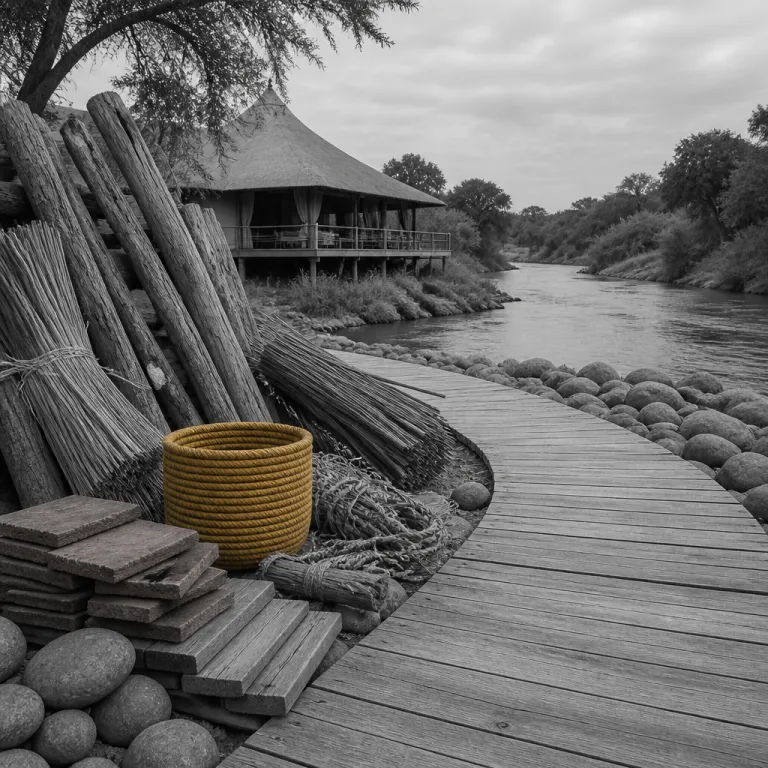
Basecamp Masai Mara sits on the banks of the Talek River, facing the vast Masai Mara National Reserve. This eco lodge blends understated luxury with a strong partnership with the local Maasai community, creating a refined safari experience with real cultural depth. Guests arrive for the wildlife and the legendary Mara National Reserve game viewing, yet many leave speaking most about the people, the stories shared around the campfire, and the powerful sense of place.
The camp is officially classified as an eco lodge, and every detail reflects that commitment to Kenya safaris that protect wildlife and support communities. With only 17 tents, according to recent lodge fact sheets and operator briefings, Basecamp Mara feels intimate while still offering the comfort international travellers expect from a premium safari lodge in Kenya. The location near Talek Gate places you minutes from prime game drives in the Masai Mara National Reserve, yet you still feel cocooned by riverine forest and birdsong.
Basecamp Masai Mara is part of the Basecamp Explorer portfolio, which focuses on sustainable tourism and community based conservation across Kenya. This means your trip supports long term projects with the local Maasai, from education to habitat protection, rather than short term gestures. For travellers comparing a classic Serena safari hotel, a Rekero Camp style tented property, or a more intimate camp Mara option, Basecamp Masai Mara offers a rare balance of comfort, authenticity, and purpose.
Location on the Talek River and access to the Maasai Mara
The lodge lies along the Talek River, a key tributary that cuts through the Masai Mara ecosystem and attracts wildlife year round. From your tent at this safari camp, you look across to the Maasai Mara National Reserve, with hippos grunting below and giraffes often visible on the opposite bank. Being so close to the Talek Gate means you reach the main game viewing areas of the national reserve quickly, then return to a quieter, more secluded camp.
Basecamp Masai Mara is about a 20 minute drive from Ol Kiombo Airstrip, a transfer time quoted consistently by the camp and local operators, which connects easily with Nairobi’s domestic Wilson Airport. Many guests choose to spend a night in Nairobi’s green suburbs before flying in, and a detailed guide to Karen and Langata can help you plan that part of your travel. Once you land in the Mara, the transfer to the lodge doubles as your first mini safari, with game already visible along the tracks.
The camp’s position on a private concession bordering the national reserve offers flexibility that some national park properties lack. You can enjoy early or extended game drives, guided walks along the river, and cultural visits to nearby Maasai villages without long transfers. For photographers and serious wildlife enthusiasts, this blend of access to the Masai Mara National Reserve and quieter riverfront habitat is a major advantage over a more urban style lodge.
Game drives, wildlife viewing, and when to stay at Basecamp Masai Mara
Game drives from Basecamp Masai Mara focus on the central Masai Mara, where open plains meet the Talek River and seasonal crossings occur. The lodge uses custom safari vehicles with open sides, giving clear views of wildlife and the sweeping Mara landscape. Professional guides, many from the local Maasai community, know the reserve intimately and tailor each safari to your interests; one long-serving guide described his role as “introducing guests to my extended wild family”.
Guests typically enjoy two game drives per day in the Maasai Mara National Reserve, one at dawn and one in the late afternoon when wildlife is most active. Between drives, you can watch animals come to drink at the river, turning the camp itself into a quiet game viewing hide. For photographers planning a Kenya safaris itinerary, a dedicated photography safari guide to the Mara is invaluable for timing and positioning.
The Great Migration usually passes through the greater Mara National Reserve area between July and October, but wildlife viewing remains excellent in other months. Resident lions, leopards, cheetahs, and large herds of plains game stay in the ecosystem year round, so a trip outside peak season can mean fewer vehicles and more relaxed sightings. Whether you stay at Basecamp Mara, Rekero Camp, a Serena safari property, or another camp Mara option, plan at least three or four nights per person to do justice to the reserve.
Activities beyond traditional game drives
While game drives are the core of any safari lodge experience, Basecamp Masai Mara offers more ways to connect with the landscape. Guided walks along the Talek River reveal smaller wildlife, tracks, and birdlife that you might miss from a vehicle. Cultural visits to nearby Maasai villages, organised in partnership with the local community, provide respectful insight into daily life and traditions.
The lodge also arranges visits to community and conservation projects supported by Basecamp Explorer, such as tree planting sites and women’s craft cooperatives, showing how tourism revenue flows back into the Maasai Mara. These experiences turn a standard Kenya travel itinerary into a more meaningful trip, especially for families and repeat safari guests. For those combining different safari camps, a stay here pairs well with a more remote national park such as Samburu or a coastal break after the Mara.
Guests who enjoy comparing styles often split their time between Basecamp Masai Mara and a more classic property like a Serena safari lodge or Rekero Camp. This approach lets you experience different parts of the Masai Mara ecosystem, from riverine forest to open plains. Whatever your combination, ensure your travel guide or specialist structures transfers to maximise time in the reserve rather than on the road.
Eco lodge design, tents, and comfort at Basecamp Masai Mara
The camp’s 17 tents line the Talek River, each raised on wooden platforms and shaded by indigenous trees. Canvas walls and wide verandas keep you close to the sounds of the Mara, while proper beds, ensuite bathrooms, and hot showers deliver the comfort expected from a premium safari lodge. Thoughtful touches such as solar lighting and locally crafted furnishings underline the eco lodge ethos without compromising on style.
Each tent at Basecamp Masai Mara is positioned to maximise privacy and river views, so you can watch wildlife from your deck between game drives. Families or small groups can request neighbouring tents, making it easy to supervise children while still enjoying a sense of space. For multi generational trips, some travellers combine a stay here with a family friendly itinerary such as the one outlined in this three generations in the Mara example.
Compared with larger hotels in Nairobi or a big national park lodge, Basecamp Mara feels more personal and connected to the environment. The main mess tent and lounge overlook the river, creating a natural gathering point for pre dinner drinks and safari stories. Whether you are returning from a long day exploring the Maasai Mara National Reserve or a shorter afternoon drive near camp Mara, the atmosphere remains relaxed yet refined.
Dining, service, and typical stay length
Meals at Basecamp Masai Mara are usually served al fresco, with breakfast often taken in the bush during morning game drives. Lunch and dinner feature fresh, locally sourced ingredients, blending Kenyan flavours with international favourites to suit a wide range of tastes. The service style is attentive but unpretentious, reflecting the camp’s roots in community based tourism rather than corporate hospitality.
Most guests stay three to four nights per person at this safari camp, which allows time to explore different parts of the reserve. Shorter stays can feel rushed, especially if you want to include cultural visits, Talek River walks, and some relaxed time in camp. For longer Kenya safaris that combine several regions, your travel guide may suggest pairing Basecamp Masai with a coastal retreat or another Basecamp Explorer property.
Pricing varies by season, with higher rates during the peak migration months in the Masai Mara. When comparing options such as a Serena safari hotel, Rekero Camp, or another safari lodge in a different national park, consider what is included in the nightly rate. At Basecamp Masai Mara, most packages cover full board, shared game drives, and conservancy or park fees, which simplifies budgeting for your trip.
Community partnership with the local Maasai and Saruni Basecamp
Basecamp Masai Mara was created with a clear mission to link high quality safaris with tangible benefits for the local Maasai community. The camp employs many staff from nearby villages, ensuring that income from tourism stays within the Maasai Mara region. Training programmes help build skills in guiding, hospitality, and conservation, turning tourism into a long term career path rather than seasonal work.
The partnership with the local Maasai community extends beyond employment into land use and conservation agreements. By leasing land along the Talek River and supporting community conservancies, Basecamp Explorer helps protect critical wildlife corridors that connect the national reserve with surrounding areas. This approach reduces pressure on the core Masai Mara National Reserve while still allowing communities to benefit from Kenya safaris.
Visitors can see this collaboration in action through cultural visits and project tours arranged by the camp. These experiences are designed to be respectful and informative, avoiding the staged feel that some travellers encounter at less engaged properties. When you choose Basecamp Masai Mara over a more conventional lodge, your trip directly supports conservation and education initiatives that safeguard the future of the Mara.
Conservation, eco tourism, and your impact as a guest
The eco lodge model at Basecamp Masai Mara focuses on low impact infrastructure, renewable energy, and careful waste management. Tents are built using sustainable materials where possible, and the camp limits permanent structures along the river to protect the floodplain. Water usage is monitored closely, and guests are encouraged to participate in conservation minded practices during their stay.
Eco tourism here is not a marketing label but a framework that shapes daily operations and long term planning. The camp supports tree planting, anti poaching efforts, and education programmes that link the wellbeing of wildlife with the prosperity of local communities. When you book a stay at Basecamp Mara or another Basecamp Explorer property, you contribute to a model that has already led to increased eco tourism and community based conservation in the region.
Guests who want to understand their impact in more detail can speak with guides and managers about specific projects supported by the lodge. These conversations often deepen a traveller’s connection to the Masai Mara and influence future travel choices across Kenya and other national park destinations. Over time, such informed decisions help shift demand towards safari lodges and safari camps that prioritise both wildlife and people.
Planning your trip: access, Nairobi stays, and combining camps
Reaching Basecamp Masai Mara is straightforward, with scheduled flights from Nairobi’s Wilson Airport to Ol Kiombo Airstrip. The short flight offers sweeping views of the Great Rift Valley and the patchwork of conservancies that surround the Masai Mara. On arrival, camp staff meet you for the 20 minute transfer, which often turns into an impromptu game drive through the reserve.
Many travellers choose to spend a night in Nairobi before or after their safari, especially when connecting with international flights. Areas such as Karen and Langata offer leafy suburbs, wildlife centres, and easy access to Wilson Airport, making them ideal bases for a pre safari rest. A well planned Kenya travel itinerary might include a night in Nairobi, three or four nights at Basecamp Masai Mara, and then a few days on the coast or in another national park.
For those combining multiple safari lodges, it is common to pair the Masai Mara with regions such as Laikipia, Amboseli, or the Kenyan coast. You might stay at Basecamp Mara for an immersive riverfront experience, then move to a different style of camp Mara or a Serena safari hotel for contrast. Your travel guide or specialist can advise on flight schedules, transfer times, and the best order to minimise backtracking.
How long to stay and what to budget
A minimum of three nights per person at Basecamp Masai Mara is recommended to experience the full rhythm of the reserve. This allows for at least five or six game drives, time for a cultural visit, and a relaxed afternoon along the Talek River. Serious wildlife enthusiasts or photographers often extend to five nights, especially if they want to explore different sectors of the Maasai Mara National Reserve.
When budgeting, consider what is included in the nightly rate, such as meals, game drives, park fees, and transfers. Some packages at this safari lodge may also include guided walks or visits to community projects, while others price these as optional extras. Clarifying these details in advance helps you compare Basecamp Masai with alternatives like Rekero Camp, a Serena safari property, or another Basecamp Explorer lodge on a like for like basis.
Families should also factor in age related policies, as some game drives or walking activities may have minimum age requirements. Discuss your plans with your travel guide, especially if you are planning a multi generational trip that includes grandparents and younger children. With careful planning, a stay at Basecamp Masai Mara can anchor a wider Kenya safaris itinerary that balances adventure, comfort, and cultural insight.
Comparing Basecamp Masai Mara with other Mara camps and lodges
The Masai Mara region offers a wide range of accommodation, from large hotels to intimate tented camps. Basecamp Masai Mara sits in the middle of this spectrum, offering more facilities than a minimalist bush camp but a more personal feel than a big lodge. Its riverside setting, eco credentials, and deep ties with the local Maasai community set it apart from many competitors.
Rekero Camp, for example, is known for its prime position near key river crossing points and a strong guiding reputation. Serena safari properties in the Mara tend to be larger, with more conventional hotel style amenities and a slightly different atmosphere. Camp Mara options in private conservancies may offer night drives or walking safaris that are not always possible inside the national reserve, so your choice depends on priorities.
Basecamp Mara appeals to travellers who value sustainability, cultural engagement, and a sense of intimacy without sacrificing comfort. The lodge’s partnership with Basecamp Explorer and the local Maasai community means your stay has a clear conservation and social impact. For many guests, this makes the difference when choosing between several Kenya safaris options with similar wildlife viewing potential.
Who Basecamp Masai Mara suits best
This camp works particularly well for couples, families with older children, and small groups of friends. The balance of structured game drives and flexible activities along the Talek River allows each person to shape their own pace. Guests who appreciate thoughtful design, attentive service, and meaningful interaction with local culture tend to feel especially at home here.
Travellers seeking a more formal resort atmosphere or extensive spa facilities might prefer a larger national park hotel. Those who want ultra remote wilderness with very few other vehicles may choose a conservancy based safari camp instead. However, for many first time visitors to the Maasai Mara, Basecamp Masai Mara offers an ideal blend of accessibility, comfort, and authentic connection to the reserve.
Whether you are planning a once in a lifetime trip or returning to Kenya for another season of safaris, this eco lodge deserves serious consideration. Its location on the banks of the Talek River, its commitment to community based conservation, and its carefully curated game drives create a rich, layered experience. In a landscape filled with choice, Basecamp Masai Mara stands out as a camp where your presence genuinely supports the future of the Mara.
Key figures and practical statistics for Basecamp Masai Mara
- Basecamp Masai Mara has 17 guest tents, which keeps the camp small enough for personalised service while still accommodating families and small groups comfortably (data from recent lodge fact sheets and Avon Safaris).
- The transfer from Ol Kiombo Airstrip to the lodge takes about 20 minutes by vehicle, so you spend more time on game drives and less time in transit (information from MasaiMara.ke and camp briefings).
- The camp operates year round, with the Great Migration typically passing through the greater Masai Mara ecosystem between July and October, while resident wildlife remains present in all seasons.
- Core activities offered include game drives and cultural visits, which together provide both wildlife viewing and cultural immersion during a standard three to four night stay.
- Recent regional reports highlight increased eco tourism and community based conservation in the Masai Mara, trends to which Basecamp Explorer properties such as Basecamp Masai Mara actively contribute.
Frequently asked questions about Basecamp Masai Mara
What activities are offered at Basecamp Masai Mara ?
What activities are offered? Game drives, cultural visits. These core experiences are complemented by guided walks along the Talek River and visits to community and conservation projects supported by the lodge.
Is Basecamp Masai Mara family friendly for children ?
Is it family-friendly? Yes, welcomes all ages. Families often appreciate the flexible schedule, the educational value of meeting local Maasai community members, and the chance for children to learn about wildlife and conservation in a safe environment.
How do you get to Basecamp Masai Mara from Nairobi ?
How to get there? Fly to Ol Kiombo Airstrip, then drive. Most travellers connect through Nairobi’s Wilson Airport, and the lodge arranges the 20 minute transfer from the airstrip, which usually includes wildlife sightings along the way.
When is the best time of year to visit Basecamp Masai Mara ?
The camp operates year round, with excellent wildlife viewing in every season. Many guests aim for the Great Migration months in the wider Maasai Mara, while others prefer quieter periods when there are fewer vehicles in the national reserve.
How many nights per person should you plan at the camp ?
A stay of at least three nights per person is recommended to enjoy multiple game drives, a cultural visit, and some relaxed time along the Talek River. Wildlife photographers or keen safari enthusiasts often extend to four or five nights to explore more of the Masai Mara National Reserve.