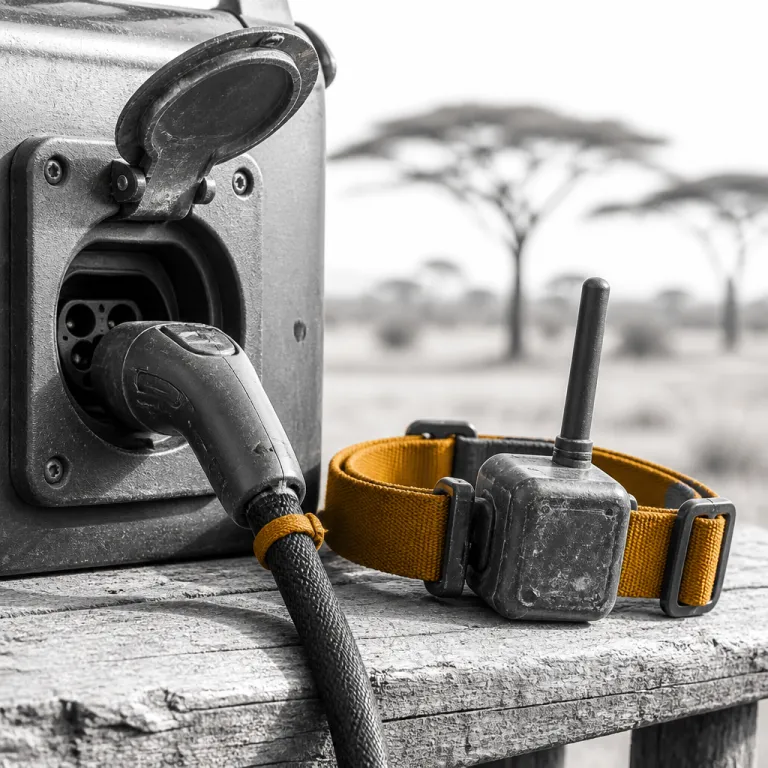
How kenya sustainable safari technology is reshaping luxury stays
Kenya is where kenya sustainable safari technology has moved from theory to the game drive seat. In the conservancies that fringe the great wildlife corridors of east Africa, electric vehicles, satellite data and smart booking tools now shape how you choose a lodge and how you move through the bush. For travelers comparing a classic kenya safari with a more sustainable safari Kenya option, the question is no longer whether technology exists, but how elegantly each property uses it without diluting the safari experience.
Across this part of Africa, premium camps and lodges are treating technology as quiet infrastructure rather than a gimmick. At Lewa Wildlife Conservancy, which helped pioneer electric 4x4 vehicles for game drives, guests feel the shift from the first silent roll out of camp into the reserve at dawn. Kenya Wildlife Service, working with partners such as Sapienza University of Rome, now relies on satellite monitoring to protect wildlife that spends much of its life outside any national park, and luxury properties are beginning to plug into the same conservation data streams.
For you as a solo explorer planning safari travel, this digital conservation shift shows up first on your screen. A well designed luxury hotel booking website in Kenya now highlights eco friendly credentials with the same clarity as room categories, from solar power capacity to water recycling systems and support for local communities. On mykenyastay.com, kenya sustainable safari technology is a filter, not a footnote, allowing you to compare lodges in the Masai Mara, the Laikipia plateau or along the coast by their real conservation impact rather than vague green labels.
What an electric game drive really feels like in kenya
The first surprise on an electric kenya safari is the sound, or rather the lack of it. When a fully electric 4x4 pulls away from a remote camp in the Masai Mara or a private reserve in Laikipia, you hear tyres on dust and the low murmur of your guides, but not the rattle of a diesel engine. That silence changes the wildlife dynamic, and kenya sustainable safari technology becomes something you feel in your chest rather than read about in a brochure.
Predators in the Masai Mara and the wider maasai Mara ecosystem often tolerate a closer approach from quiet vehicles, which can mean longer, calmer sightings and a richer safari experience. Skittish antelope that would normally scatter at the growl of an engine keep feeding, so your responsible safari has less immediate impact on animal behaviour. Rangers at Lewa Wildlife Conservancy are clear about the conservation upside, stating without embellishment that, "They reduce noise and pollution, minimizing wildlife disturbance."
From a traveler’s perspective, the comfort upgrade is as tangible as the ethical one during safari travel. Conversations with your kenya masai or other local guides become easier when you are not shouting over an engine, and you start to notice the small sounds that define east Africa at dawn, from sandgrouse wings to distant hyena calls. When you return to your lodge after a long term stay, the vehicle plugs into a solar power array behind camp, closing a clean energy loop that many premium lodges now showcase as proudly as their wine lists, especially along the coast where you might pair a Mara reserve stay with an exclusive property in Malindi using an insider guide to luxury hotels in Malindi.
From satellite collars to tablets: tracking wildlife in real time
Kenya sustainable safari technology becomes even more visible when you start following wildlife data in real time. In several leading conservancies, satellite collars on elephants, lions and other key species now feed live positions to ranger control rooms and, selectively, to guest vehicles. The WildTrackCube SIMBA satellite, developed with Sapienza University of Rome, is one of the tools that allows Kenya Wildlife Service and its partners to monitor movements across vast areas of east Africa.
On a drive in the greater Masai Mara region, your guide may hand you a tablet that shows the last known location of a collared lioness, turning a standard kenya safari into a track the pride experience. You still read the land in the traditional way, scanning for fresh tracks and listening for alarm calls, but the digital layer helps avoid unnecessary driving and reduces fuel use for any remaining diesel support vehicles. Over time, this blend of satellite tracking and field craft supports more sustainable tourism by cutting the overall impact of safari tourism on fragile grasslands.
For travelers booking through a luxury hotel platform, the key is to understand how lodges use this data beyond guest entertainment. The most credible camps share how wildlife information guides decisions on water point placement, fence lines near local communities and mitigation of human wildlife conflict at conservancy edges. When you plan the best time for a safari in Kenya using a resource such as this guide to timing luxury stays and bookings, look for properties that explain their role in long term conservation projects rather than simply advertising satellite gadgets in vehicles.
Off grid luxury: solar power, water systems and digital booking
High end lodges in Kenya have quietly turned off grid engineering into an art form. At the top end of the market, where a tented suite in a private reserve can cost several thousand dollars per night, kenya sustainable safari technology is expected to deliver seamless comfort while keeping the footprint light. That means solar power fields tucked behind acacia thickets, battery banks hidden under decking and water treatment plants humming out of sight behind the staff village.
For you as a guest, the visible signs are subtle but reassuring when you care about sustainable safaris. Showers run on solar heated water, charging points in your suite draw from clean energy, and the camp kitchen may use biogas generated from organic waste rather than diesel. Many lodges now publish clear data on their use of solar power, water recycling rates and policies on single use plastics, allowing you to compare kenya safari options with the same rigour you apply to room size or spa facilities.
The digital shift extends to how you book and manage your trip, especially if you are a solo traveler who values control. A refined platform such as mykenyastay.com lets you filter for eco friendly lodges, read detailed notes on conservation impact and even see how close each property sits to a national park boundary or private conservancy. If you want to go deeper, you can explore elegant ways to use a luxury hotel booking app in Kenya, then combine that knowledge with direct questions to each camp about their kenya sustainable safari technology investments.
Community data, real impact and how to avoid greenwashing
The most important test of kenya sustainable safari technology is not the hardware, but who controls the data and who benefits from the results. Around seventy percent of Kenya’s wildlife ranges outside formal national park boundaries, on land owned or used by local communities that carry the daily costs of living with elephants, lions and other species. When technology helps those communities manage wildlife, reduce conflict and earn reliable tourism income, the impact of your stay extends far beyond the lodge bar.
In several community led conservancies from the Mara to northern Kenya, satellite tracking and AI assisted monitoring now alert rangers when collared animals approach farms or grazing areas, giving people time to move livestock or reinforce fences. Kenya Wildlife Service and partners such as Lewa Wildlife Conservancy share wildlife data with local conservancy boards, allowing them to decide where to place new water points, which areas to rest from grazing and how to zone land for tourism camps. This is where responsible safari models in east Africa start to look genuinely long term rather than like a marketing line aimed at travelers from Europe or South Africa.
As a guest using a luxury booking website, you can read between the lines to avoid greenwashing and support real conservation. Look for lodges that publish clear contributions to local communities, that explain how kenya sustainable safari technology reduces their footprint and that reference partnerships with recognised conservation authorities rather than vague Africa wide claims. When a camp in the Masai Mara or another reserve speaks openly about both successes and challenges in safari tourism, you are more likely to be funding meaningful conservation and less likely to be paying for a thin coat of eco friendly paint on an old model of mass tourism.
How kenya sustainable safari technology compares across destinations
For travelers who have already sampled safari tourism in South Africa or Namibia, Kenya’s digital conservation shift feels distinct. The focus here is less on high density national park circuits and more on a mosaic of private and community conservancies that ring the great wildlife reserves of east Africa. That landscape makes kenya sustainable safari technology both more complex and more interesting for guests who want to understand how their money flows.
In the Masai Mara and the wider Kenya Masai rangelands, lodges often sit on land leased from local communities, with rent and conservation fees tied directly to wildlife health and tourism performance. Electric vehicles, satellite tracking and smart water management systems become tools to keep wildlife on the land and reduce conflict, which in turn protects the tourism value that funds schools, clinics and grazing programmes. When you compare safari Kenya options on a platform like mykenyastay.com, you can weigh a camp’s conservation record alongside its design, guiding quality and ease of access from Nairobi or the coast.
Across Africa, few countries have integrated technology, community ownership and high end hospitality as tightly as Kenya has in its leading conservancies. For a solo explorer, that means you can plan a journey that moves from an electric vehicle equipped camp in the maasai Mara to a solar powered island lodge on the coast, confident that kenya sustainable safari technology is more than a slogan. Each booking becomes a small but measurable vote for a model of sustainable tourism that keeps wildlife, local communities and discerning travelers in the same long term conversation about how we want to discover Africa in the decades ahead.
FAQ
What is WildTrackCube SIMBA and how does it support Kenyan safaris ?
WildTrackCube SIMBA is a satellite developed with Sapienza University of Rome to monitor wildlife movements across Kenya and other parts of east Africa. It sends location data from animal collars to conservation teams, helping Kenya Wildlife Service and conservancies track species that roam far beyond national park boundaries. For travelers, this technology underpins the real time wildlife maps you may see on tablets during game drives, and it supports more targeted, lower impact vehicle movements.
How do electric game drives benefit both wildlife and guests ?
Electric game drive vehicles remove engine noise and reduce exhaust emissions, which makes encounters calmer for wildlife and more immersive for guests. Predators and skittish herbivores often tolerate a closer, longer viewing distance from quiet vehicles, improving the overall safari experience. At the same time, charging these vehicles with solar power at camp cuts fuel use and supports the broader goals of kenya sustainable safari technology.
Are off grid luxury lodges in Kenya as comfortable as traditional properties ?
Well designed off grid lodges in Kenya match or exceed the comfort levels of traditional properties while using cleaner systems. Solar power fields, battery storage and efficient water treatment allow for hot showers, reliable lighting and cooled rooms without diesel generators running all night. The difference for guests is usually a quieter, more atmospheric stay, with the added assurance that their safari tourism spend supports sustainable infrastructure.
How can I tell if a lodge’s sustainability claims are genuine ?
Genuine kenya sustainable safari technology investments are usually backed by specific, verifiable details rather than broad slogans. Look for clear information on solar power capacity, water recycling, waste management and partnerships with recognised conservation bodies such as Kenya Wildlife Service or Lewa Wildlife Conservancy. Properties that share data, acknowledge challenges and explain how they work with local communities are generally more trustworthy than those that rely on generic eco friendly language.
What role do local communities play in Kenya’s digital conservation model ?
Local communities in Kenya often own or lease the land on which conservancies and lodges operate, so they are central to any long term conservation strategy. Digital tools such as satellite tracking and AI assisted monitoring help community rangers manage wildlife, reduce human wildlife conflict and make informed decisions about grazing, tourism zoning and water points. When you choose lodges that share revenue transparently and involve community boards in conservation planning, your stay directly supports this more equitable model of kenya sustainable safari technology.